 Food production
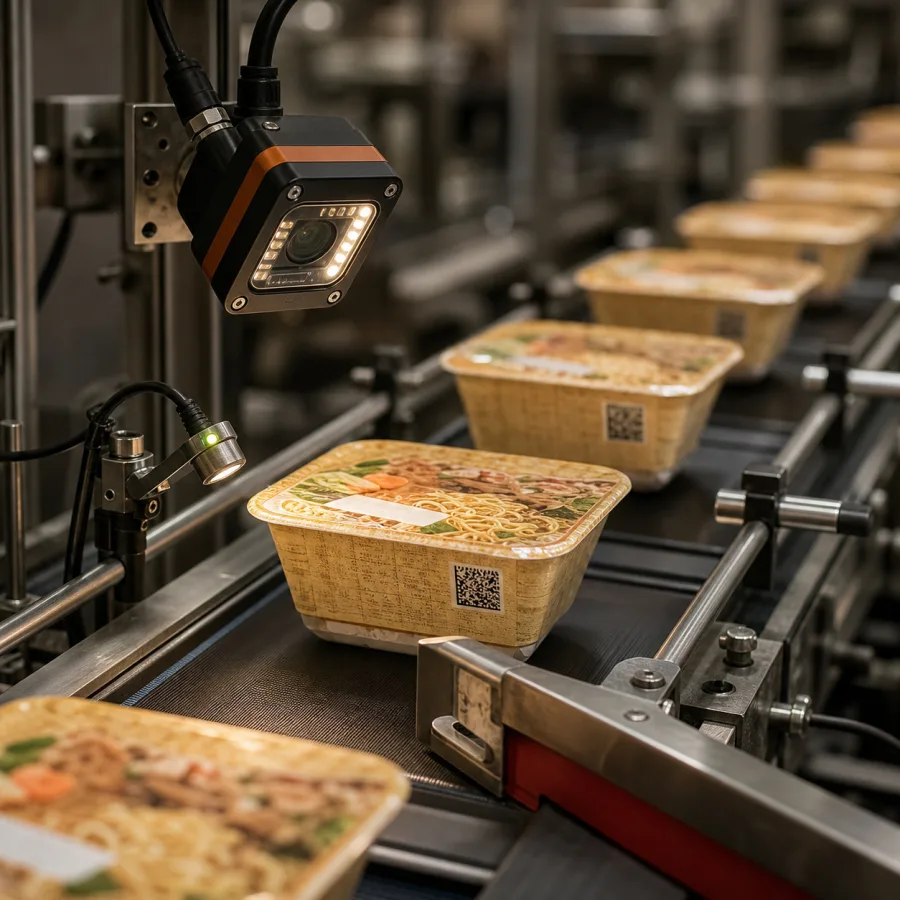
Serialized codes at speed on glaring film — instant noodles
from SAR 20,625
TRACK & TRACE · DATAMATRIX · SERIALIZATION
When a code won't read, there is always a specific culprit: the print, the light, the angle — or the reader itself. And each one is fixed differently — swapping the scanner is useless when the print is too pale. Send a photo of the code — we'll identify the cause and send back a fix plan. And if you're rolling out serialization from scratch against a deadline — for the SFDA drug track-and-trace system (RSD), for Saudi-DI on medical devices, or for ZATCA digital tax stamps — we can cover the implementation end to end: from the reader on the line to the data feed into your ERP and the traceability platform, with a plan built around your launch date.
root-cause diagnosiscorrective-action planequipment recommendationquote
130+ deployed projectsofficial Hikrobot partnerthe code’s full path, down to your ERP
Each case shows the line speed and surface, the root cause, what ended up installed, and the result. Comparing several vendors? These cards are a ready-made question list for each of them.
Food production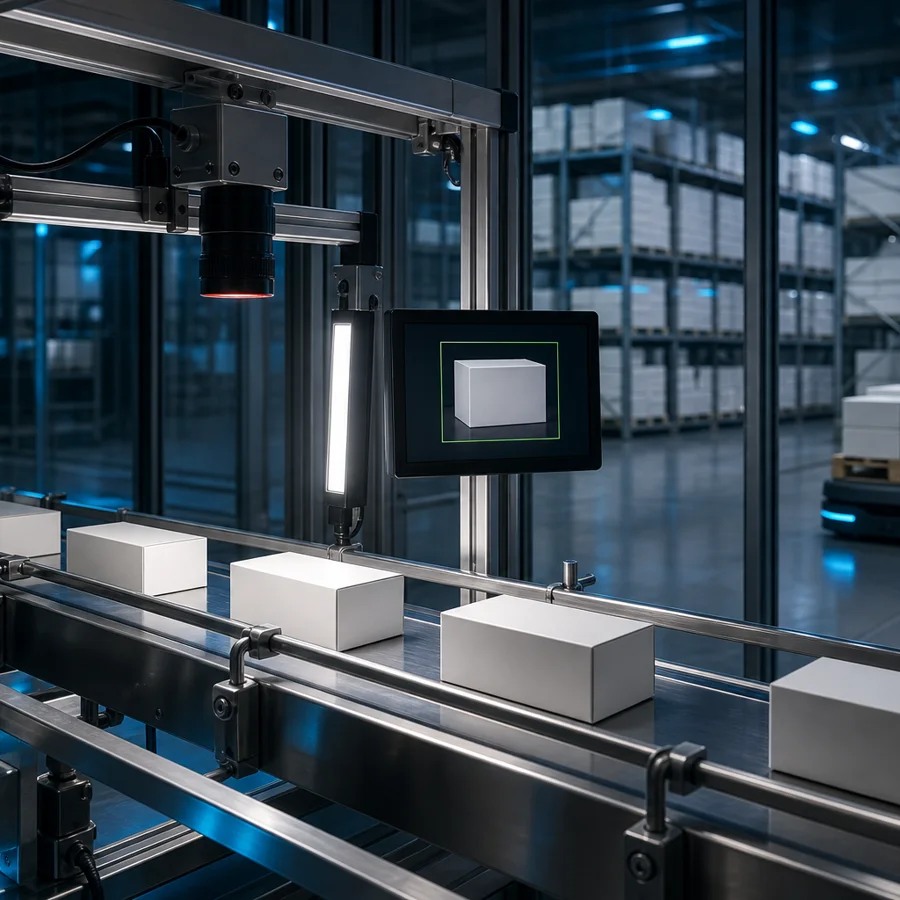 Pharma
 Electronics
 Beverages
 Logistics
Food production
Serialization arrived on a line that was never built for it: the glossy film glares, the packing speed is high, and every unread code means either a line stop or a pack that can't be shipped. Manual rechecking couldn't keep pace with production.
Readers with a trigger sensor that says "shoot now" — the frame is taken at the exact moment the pack passes, and speed stops being a problem. If a code still doesn't read, the pack is automatically diverted off the line. Production doesn't stop.
Codes are read reliably at production speed, and unread packs are diverted before shipping — serialization stopped being a topic at morning meetings.
| Task | reading serialized codes at speed, glaring film |
|---|---|
| Speed | production speed of the packing line |
| Reaction | automatic rejection of unread packs |
| Setup | readers, trigger sensor, controller, reject signal |
| Budget | from SAR 20,625 |
Check my code the same way
Pharma
Serialization, aggregation, visual inspection and the warehouse lived in separate systems. At every handoff the data had to be reconciled by hand, and during investigations batches "got lost" between areas.
One end-to-end loop: readers and cameras on the line, data feeds into the ERP and warehouse system, robots on the transfers. The code is printed, read, aggregated and traced down to the warehouse cell — with no manual bridges between systems.
The batch is traceable straight through production and warehouse. One contractor owns the code’s complete path — nothing left for vendors to argue about.
| Task | serialization + aggregation + warehouse in one loop |
|---|---|
| Integration | ERP, warehouse system, the RSD track & trace system |
| Setup | readers, cameras, controllers, integration, mobile robots |
| Budget | from SAR 58,125 |
Check my code the same way
Electronics
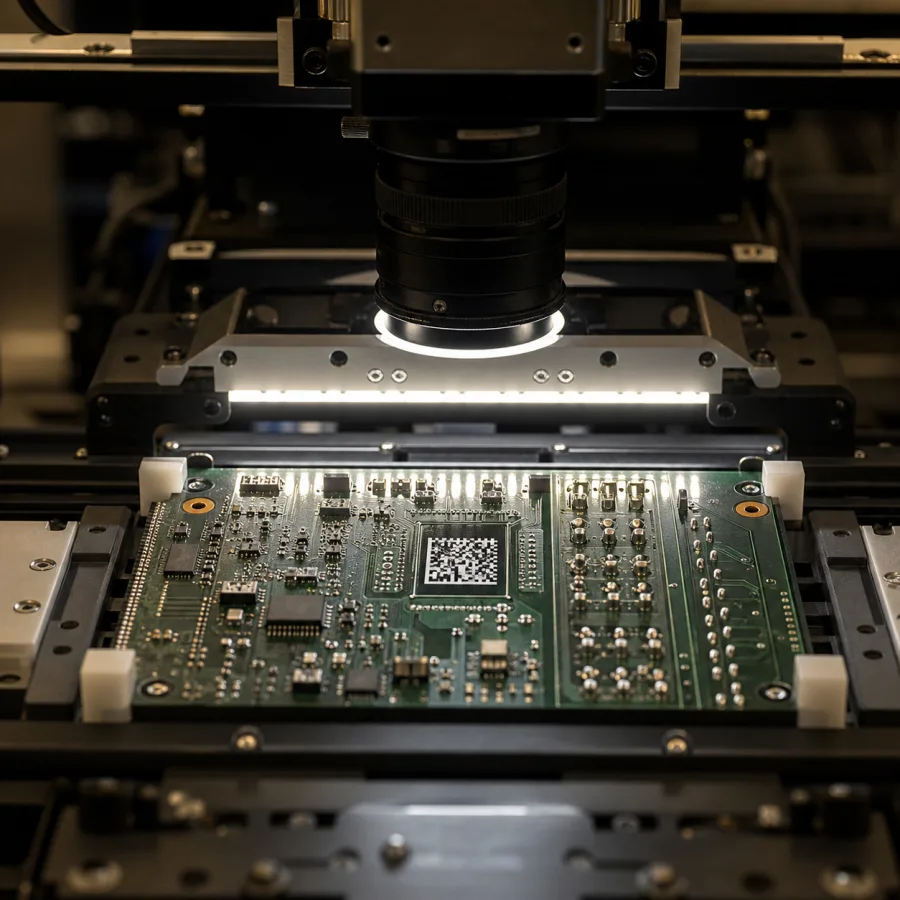
The boards carry a DataMatrix marked directly onto the surface, no label. A code like that is tiny and low-contrast, and it has to be checked together with solder quality — without building two separate stations for it.
A reader built for direct-part-marked (DPM) codes, and a high-resolution camera for the solder — in one station. Code errors and solder rejects are counted separately.
Code readability and solder quality are visible separately — you know at once what to tune: the marking laser or the oven.
| Task | direct-marked DataMatrix + solder inspection |
|---|---|
| Setup | DPM reader, 12 MP camera, lighting |
| Budget | from SAR 6,000 |
Check my code the same way
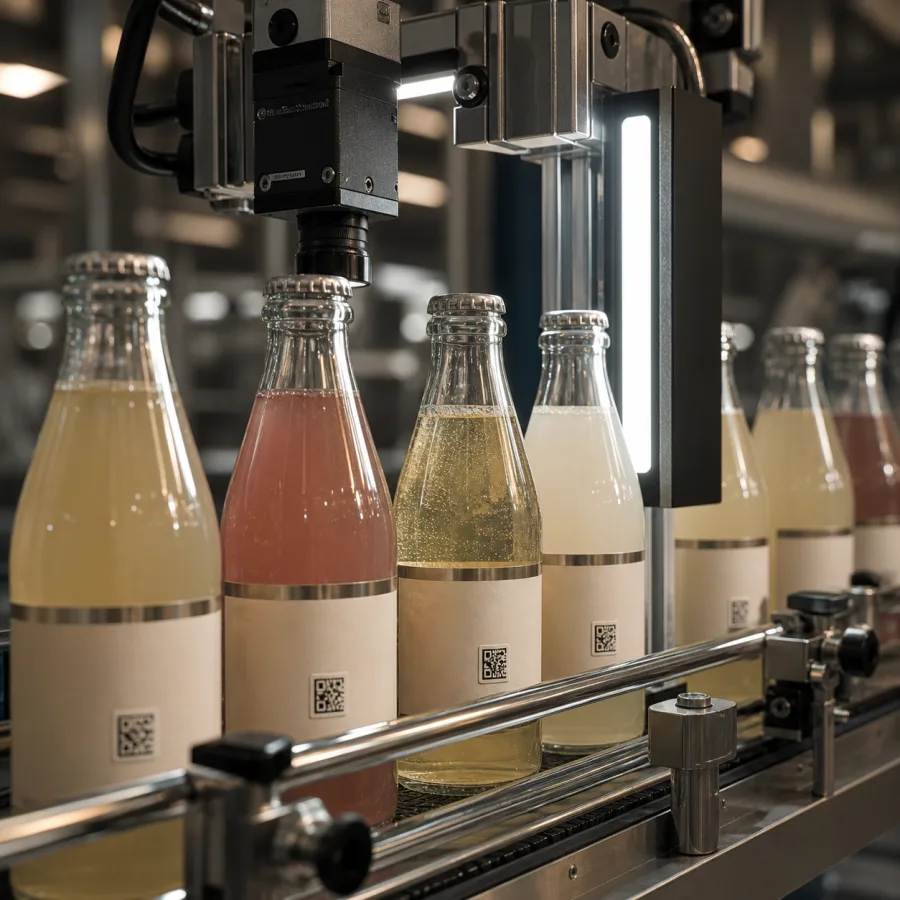
Beverages
Three checks converged at one bottling point: does the serialized code read, is the label straight, is the bottle filled. All of it — on glaring glass at high speed.
One inspection station: a camera with a polarizing filter that kills the glass glare, plus a code reader. All three checks in a single pass of the bottle.
Over 99% of underfills are caught before packing; the code and the label are checked along the way. One station — instead of three separate budgets.
| Task | serialized code + label + fill level at one point |
|---|---|
| Environment | glass, glare, wet zone |
| Setup | monochrome camera, polarizing filter, reader, line link |
| Budget | from SAR 25,500 |
Check my code the same way
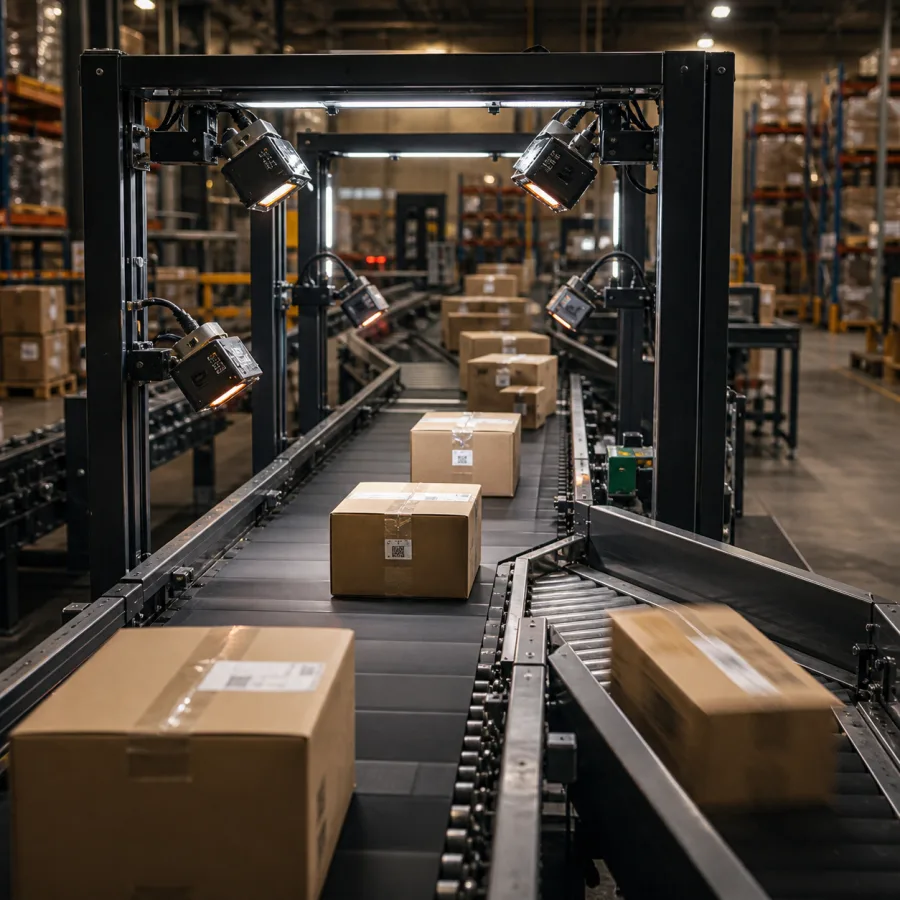
Logistics
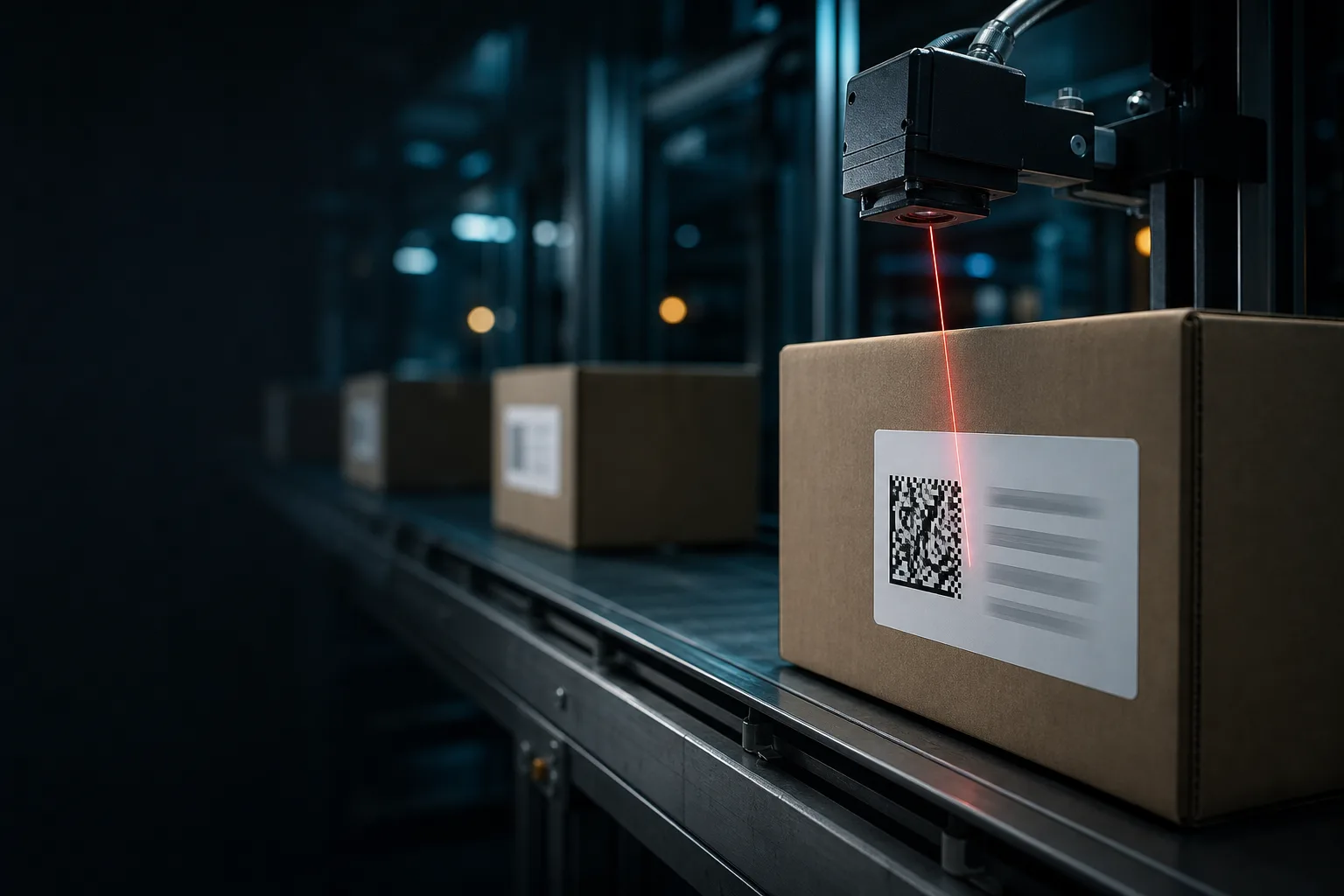
A parcel flow heading into the sorter: if a code doesn't read, the parcel goes the wrong way. That means a return, rehandling, and missed service levels the warehouse pays for.
A fixed code-reading station upstream of the sorter: readers in a protective cabinet, each read result feeding straight into the sorter controls.
Routing errors dropped noticeably — parcels go where they should, on the first pass.
| Task | reading codes on the flow before sorting |
|---|---|
| Setup | readers, control cabinet, sorter signal |
| Budget | from SAR 33,000 |
Check my code the same way
Pharma
Serialized codes on small cartons: the code is tiny, the cartons run tightly packed, and every read result has to land in the records system. Done by hand, this was turning into a separate job for a separate person.
A code verification station: a reader, a sensor, and automatic delivery of the result into the records system — the human is out of that chain.
Less manual entry, fewer operator errors: the code is read and lives in the system immediately.
| Task | serialized codes on small cartons + feed into records |
|---|---|
| Setup | reader, sensor, records-system integration |
| Budget | from SAR 12,750 |
Check my code the same way
TEST YOURSELF
All four look "fine". On the line you find out too late — when the pallet is already built.
All four look "fine". On the line you find out too late — when the pallet is already built.
This was a training set. On a real line there are usually several causes at once, and not every one shows in a single photo — speed problems, for instance, can't be caught from a photo. That's why our diagnosis has two levels: an express review by photo first, then a check at your actual speed.
demo codes; the readability criteria are real
This was a training set. On a real line there are usually several causes at once, and not every one shows in a single photo — speed problems, for instance, can't be caught from a photo. That's why our diagnosis has two levels: an express review by photo first, then a check at your actual speed.
demo codes; the readability criteria are real
WHAT YOU GET IN HAND
Yes, we make our money on equipment. That's exactly why the report has a separate line with the verdict "do you need new hardware at all" — and quite often the answer is "no, fix the print". A report like that costs you nothing — and often prevents an unnecessary hardware purchase.
1–2 business days. You send a photo of the code or label — you get the likely cause and a list of things to check on your side.
after a sample label or package arrives. We run it on the bench and answer: does the code read at your line's speed, and with how much margin.
whether the code reads; what the cause is — print, light, angle or the reader; what to change, step by step; what equipment is needed, if any at all; and roughly what it costs.
a drawing of where the reader, the light and the sensor go. Useful to your plant or controls engineer no matter who you end up buying from.
what the operator does when a code won't read: a ready-to-post sheet for the wall.
the fastest route — a photo of the code via messenger right now
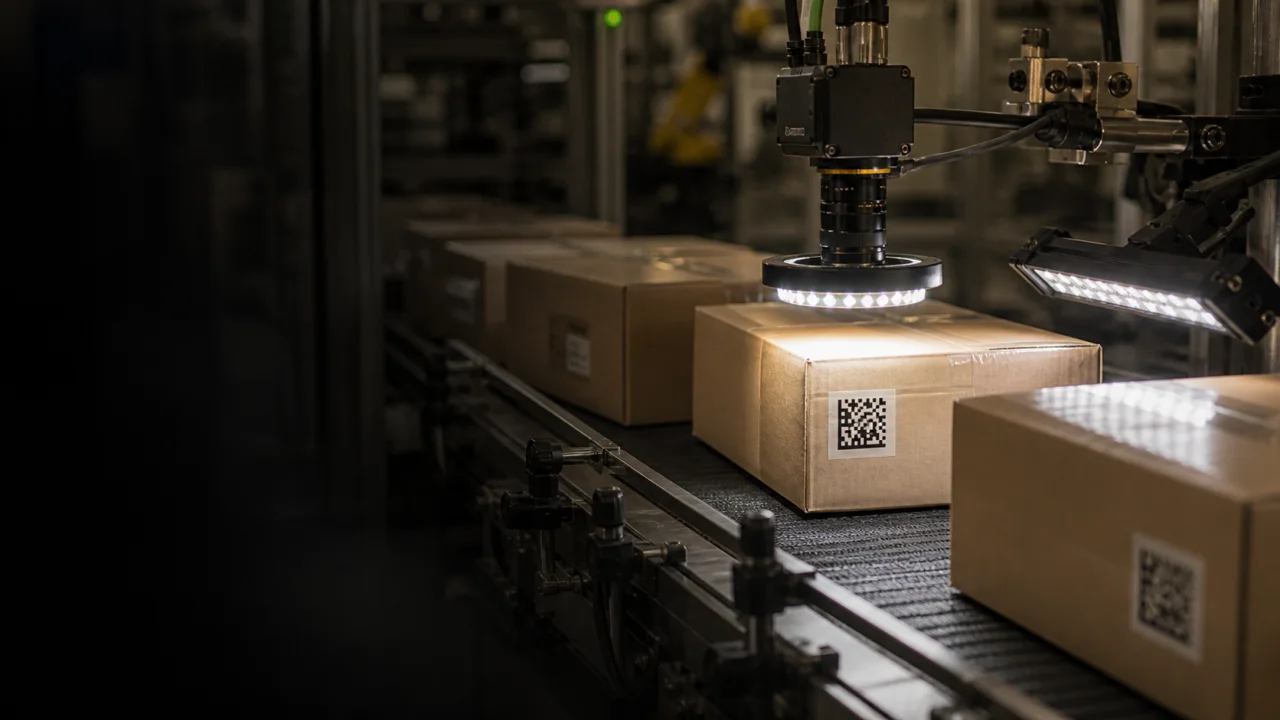
The five usual causes of read failures — and how we tell one from another.
The code flies through the frame in milliseconds. The cure is a sensor that tells the camera "shoot now", plus the right exposure — the frame is taken at the exact moment the code passes, and the blur disappears.
Glare can't be removed with scanner settings — only with optics: a polarizing filter and the right light angle. Fiddling with software on top of glare is pointless, and we don't do it.
Sometimes the print is at fault, full stop: a low-contrast code fails across readers. We measure the contrast and modulation of the code's cells — and if the root cause is the print process, that's exactly what the report will say.
DataMatrix has a safety margin: the algorithms recover a code even with damage — up to a limit. And to stay away from the limit, housings and optics air purge do their job.
Angle, distance, vibration. Roughly half of all "it won't read" complaints actually mean "the reader is in the wrong place" — and that's fixed without buying anything.
First we separate a print problem from a reading problem — those are different budgets and different people to fix them. That's why it's a diagnosis, not "buy our scanner".
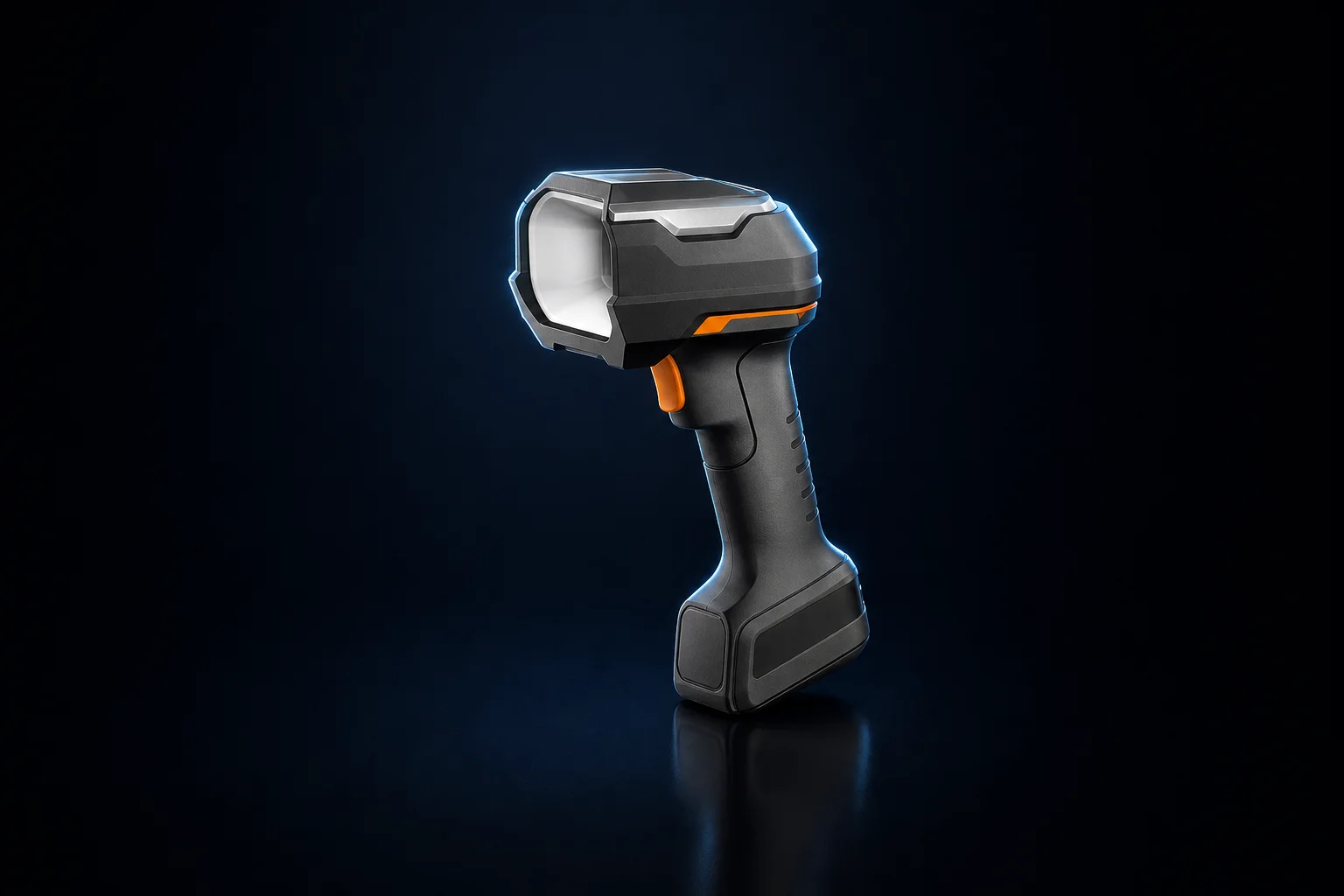
the start of any marking setup, spot checks at a station. Connects like an ordinary keyboard: point — the code is in your system.
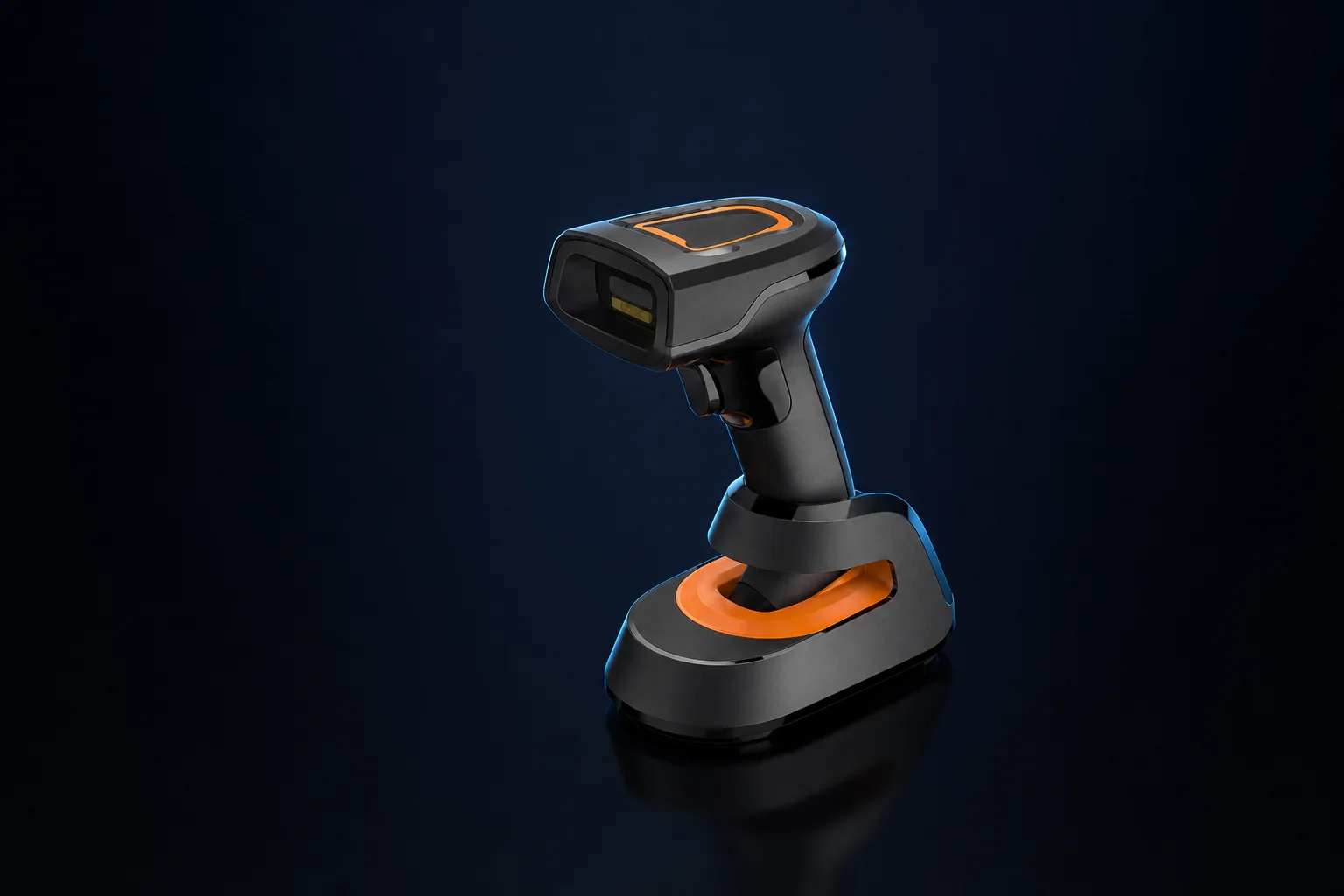
reading in motion, right on the line.
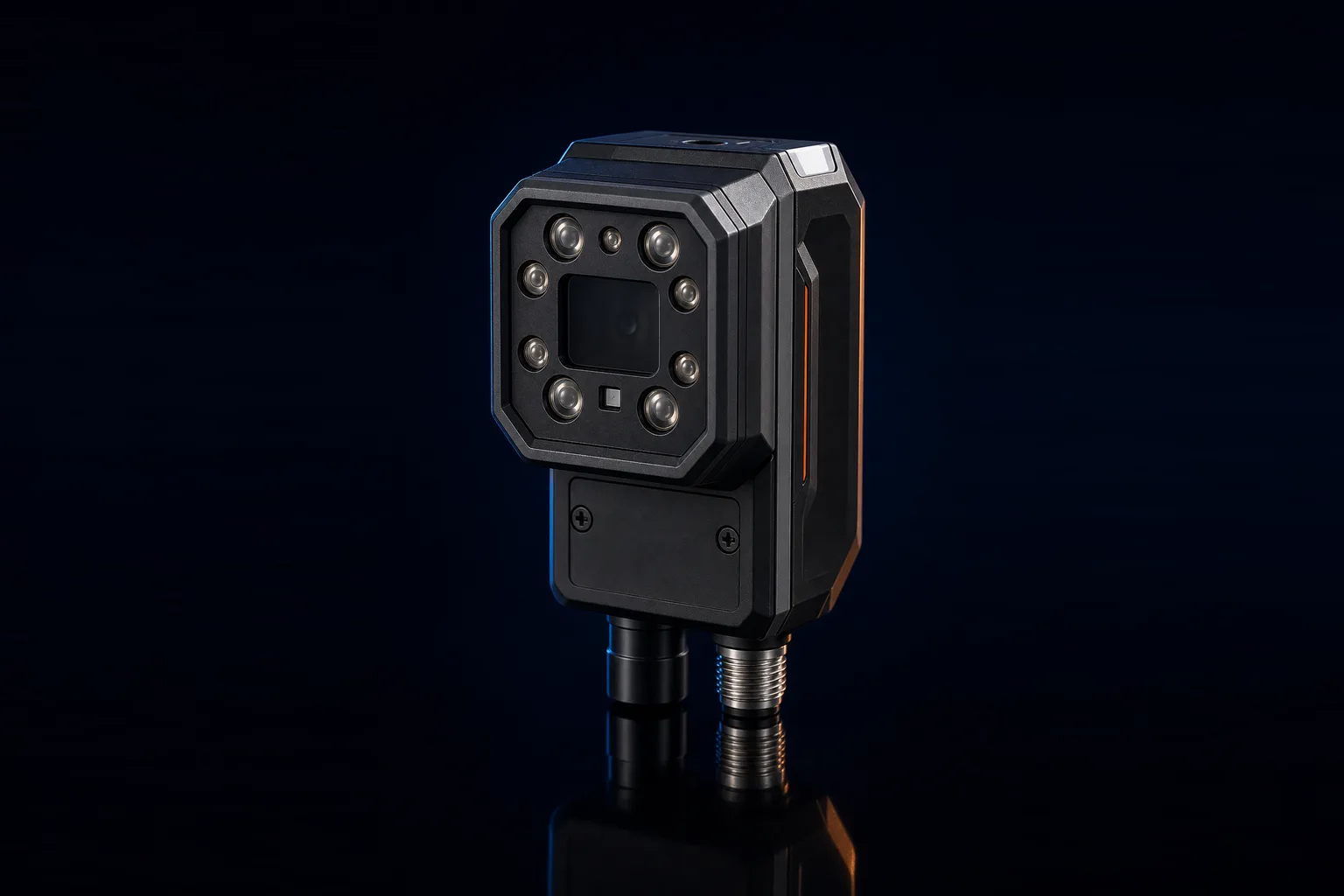
reads laser-etched and dot-peen marks on metal and electronic components.
reader, light, sensor and controller: an unread pack leaves the line on its own. This is the "instant noodles" case level — from ~SAR 20,625.

several reading points tied into your ERP — and, on pharma projects, into the RSD system. The pharma cases level — from ~SAR 12,750 to SAR 58,125 depending on the setup.
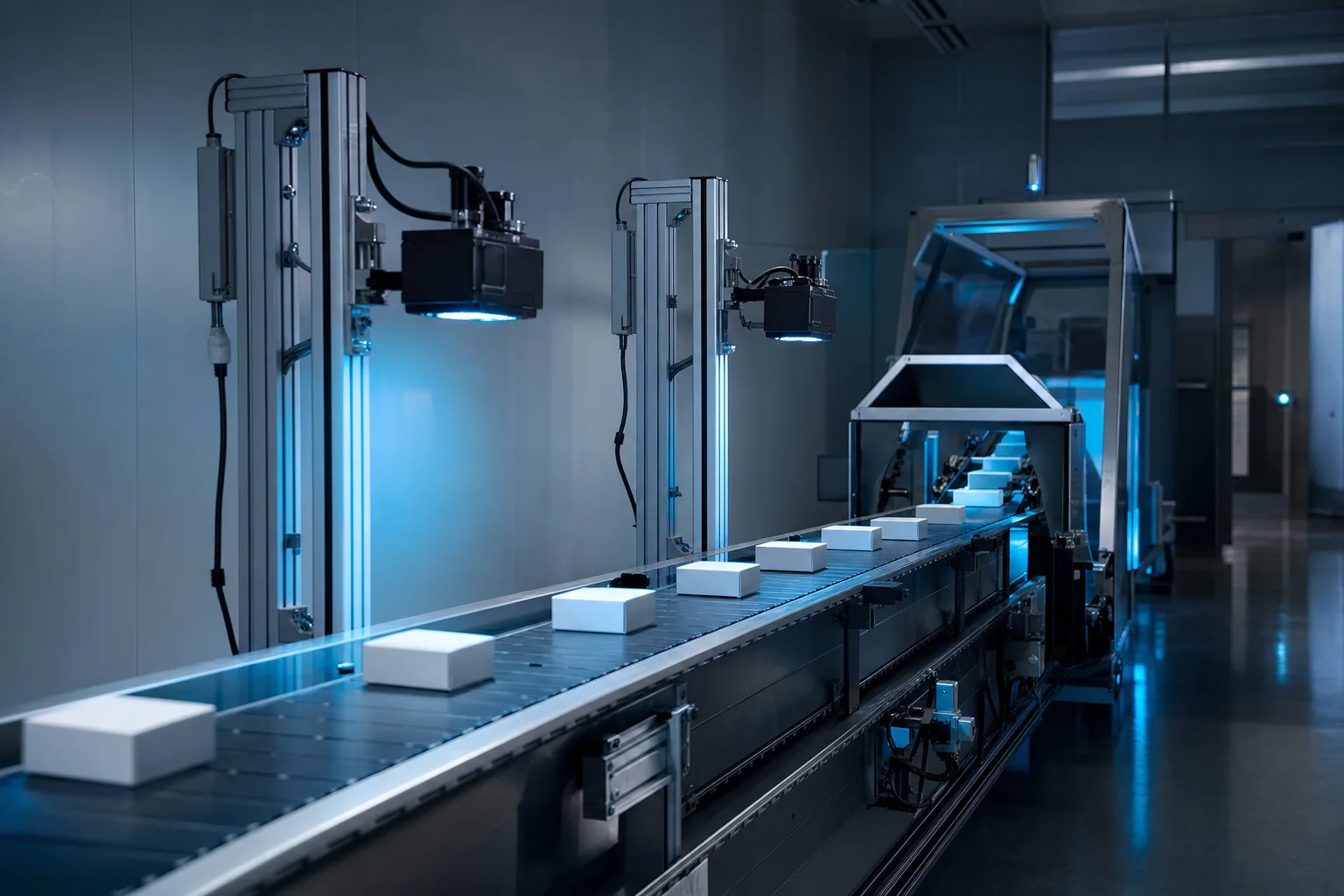
The exact price depends on speed and surface — so first the diagnosis, then the quote. A preliminary quote takes 1 day.
You send it — we return an express diagnosis in 1–2 business days.
We run your code on the bench and hand over a report: does it read, and with how much margin.
The equipment runs at your site — at real speed, with real packaging. This is where rejection gets tuned.
Installation, commissioning, shift training, the data feed into your ERP and track & trace system.
We own the code-reading and data-integration scope: the reader, light, mounting, the software side, line signals, aggregation and the data feed into your ERP or traceability platform — RSD, Saudi-DI or another. (Overall regulatory compliance with your serialization mandate stays with your compliance team and platform provider; our responsibility is that the code reads and the data arrives where it should.)
Timelines, spelled out: a typical reading station — 3–6 weeks from sample to launch; an aggregation loop with ERP integration — from 2 months. An exact plan for your deadline — in the engineer's first reply.
from supplying a camera to launching a turnkey station.
equipment ships straight from the Hikrobot factory; stock items arrive in about two weeks by air.
the person who diagnosed your code is the person who commissions your station.
we diagnose and bench-test remotely, then support your site team or local integrator with commissioning, tuning and training.
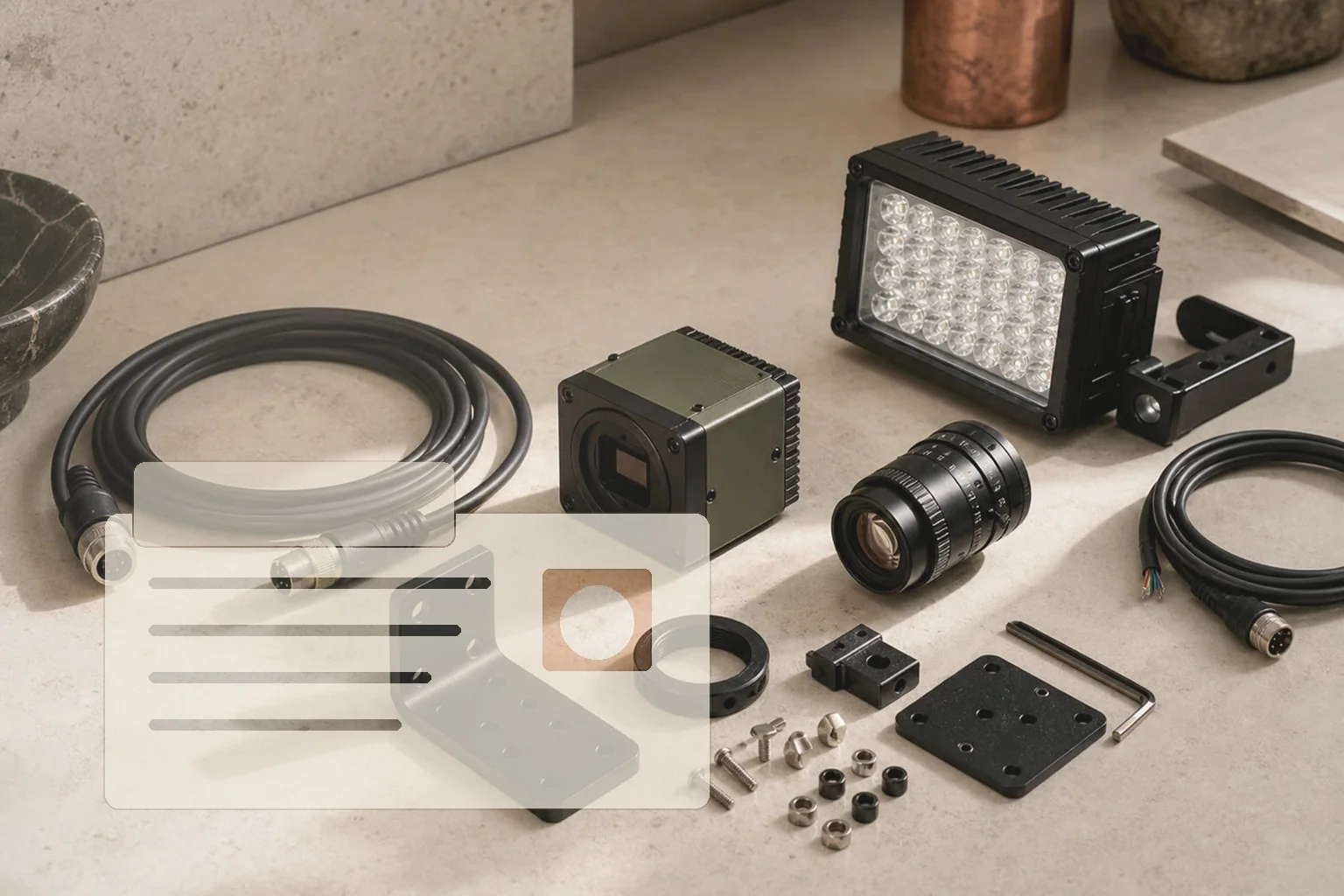
We test production samples under a camera, record the run, and send an engineer’s report. Free, in 2–3 business days.
It depends on three things: what the station is built from, how fast the items arrive, and how ready your records system is. We ask about your deadline in the quiz not out of curiosity — the plan is built to it. You get a realistic estimate in the engineer's very first reply.
Then that's what we'll say. That's what the diagnosis is for: adjusting the print is cheaper than buying a reader that still won't read a pale code.
Yes: reading unit codes, forming the aggregation relationships between packaging levels, feeding them into records — the way RSD requires on pharmaceutical projects. Aggregation is part of the loop, not a separate project for separate money.
Yes — delivering read and aggregation results into your ERP and the traceability platform, through your serialization software, is a standard part of the job; we've done it in pharma and food production within other national track & trace systems. In Saudi Arabia the connector depends on the platform: the SFDA electronic drug track-and-trace system RSD, the Saudi-DI medical device coding system, or ZATCA digital tax stamps — while platform and data compliance stays with your compliance team and platform provider.
Popular readers are factory stock — about two weeks by air is typical for in-stock items. Rare items are made to order, and then the date is fixed in the quote.
A vision engineer. And if you chose "message me" — we'll message, not call.
The diagnosis and the bench test don't need your line at all. For the pilot, installation goes into your maintenance window — scheduled around production.
The reason your code won't read, a fix plan, an equipment recommendation and a quote — plus, as a bonus, a reading-station layout and a shift procedure sheet. The express review by photo takes 1–2 business days. If what needs fixing is the print, not the hardware, that's exactly what the plan will say.
2 minutes to applyan engineer replies within 4 business hoursurgent deadline? hit ⚡