 Pharma
Line + warehouse in one loop: robots tied into serialization and records
from SAR 58,125
WAREHOUSE · MOBILE ROBOTS · PAYBACK
Sometimes the honest answer is "nothing — you're not there yet": that's a valid result of the calculation too, and it's free. Send us your warehouse layout — we'll build the model: a route map, the number of robots, and the economics year by year, with every assumption spelled out. The calculation takes 2–3 business days after we receive the layout and flow data.
route mapnumber of robotspayback modelbudget range
official Hikrobot partnerAMRs with WMS/ERP integrationone-robot pilotsfactory-direct supply
The cards show what gets moved, what the solution is made of, and the budget. We don't paint payback percentages — every warehouse has its own. But the write-ups show exactly what the payback is built from.
Pharma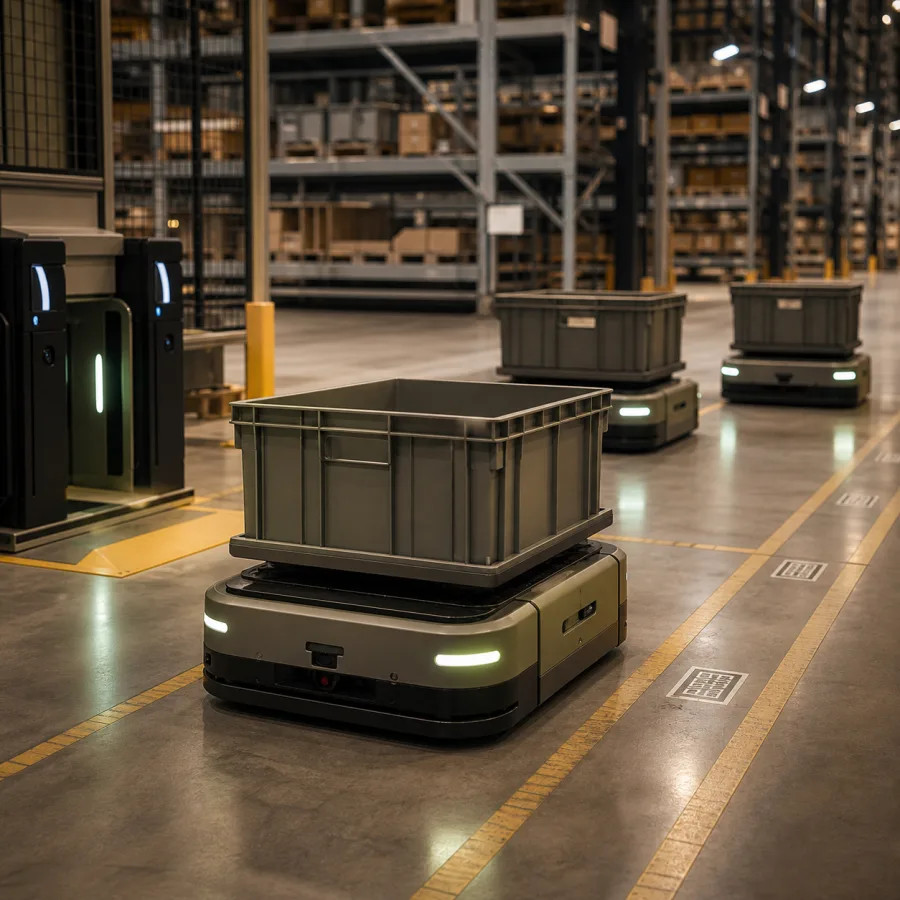 Large 24/7 warehouse
 Beverages
 Flour mill warehouse
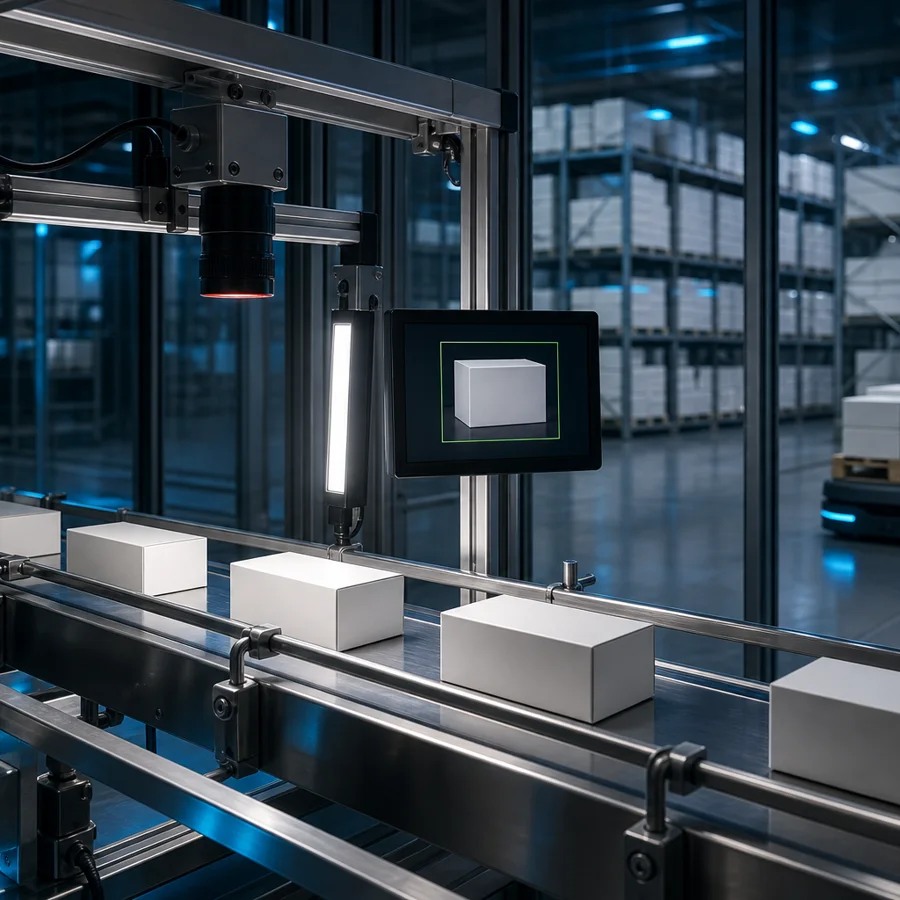
Pharma
Serialization, aggregation, visual inspection and the warehouse lived in separate systems. At every handoff the data had to be reconciled by hand, and during investigations batches "got lost" between areas.
One end-to-end loop: readers and cameras on the line, data feeds into the ERP and warehouse system, robots on the transfers. The code is printed, read, aggregated and traced down to the warehouse cell — with no manual bridges between systems.
The batch is traceable straight through production and warehouse. One contractor owns the code’s complete path — nothing left for vendors to argue about.
| Task | serialization + aggregation + warehouse in one loop |
|---|---|
| Integration | ERP, warehouse system, the RSD track & trace system |
| Setup | readers, cameras, controllers, integration, mobile robots |
| Budget | from SAR 58,125 |
Calculate it for my warehouse
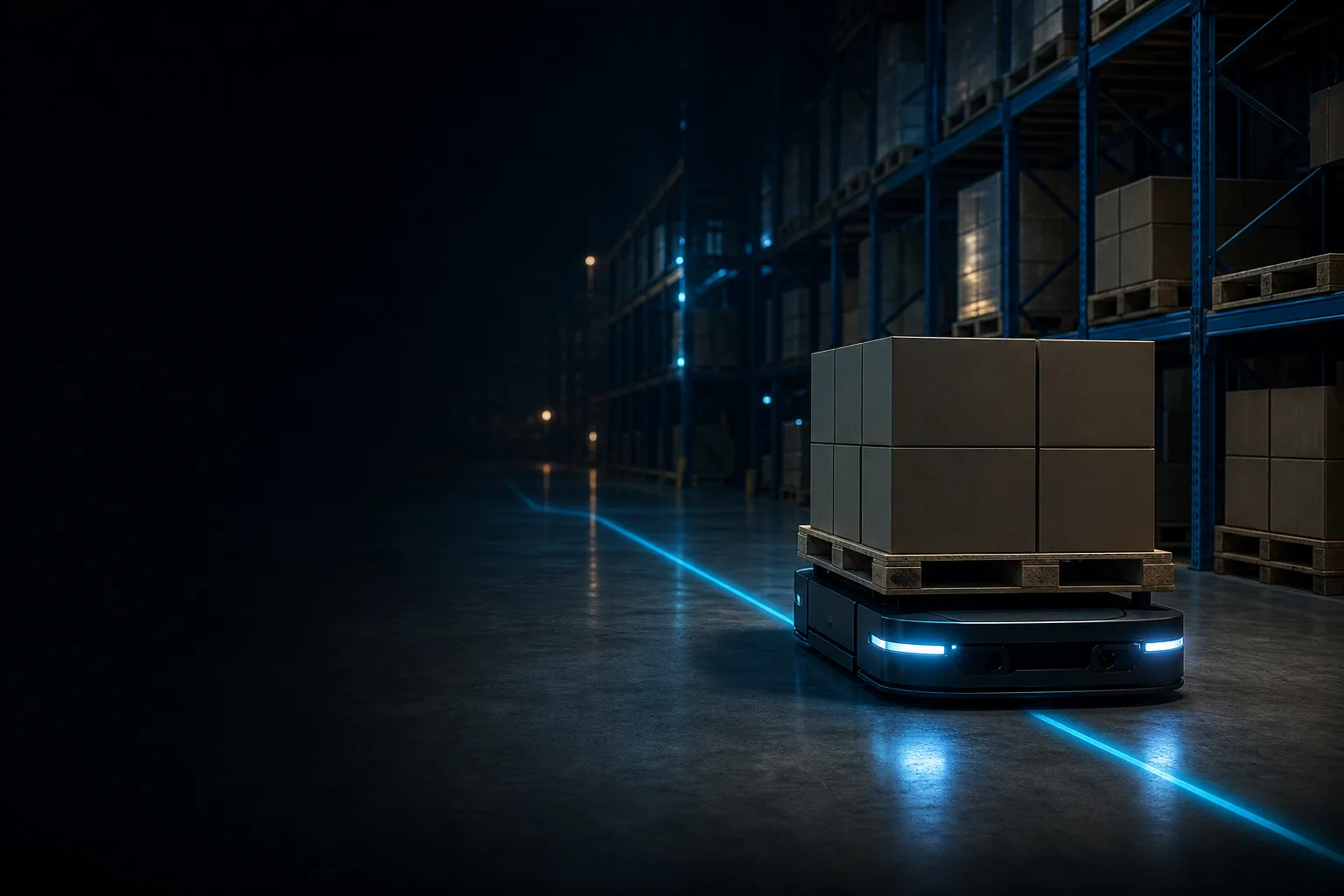
Large 24/7 warehouse
Three shifts and a continuous flow of transfers. The bottleneck wasn't the people — it was the warehouse's dependence on manual carting between zones.
A robot fleet under one management system: jobs come in from the warehouse software, the robots split the routes among themselves, and they drive off to charge on schedule — between load peaks.
A scheme that grows: adding a robot to the fleet is a configuration change, not a new project. And robots don't have an end of shift.
| Format | robot fleet + management software + warehouse records |
|---|---|
| Mode | 24/7, charging between peaks |
| Budget | from SAR 88,125 |
Calculate it for my warehouse
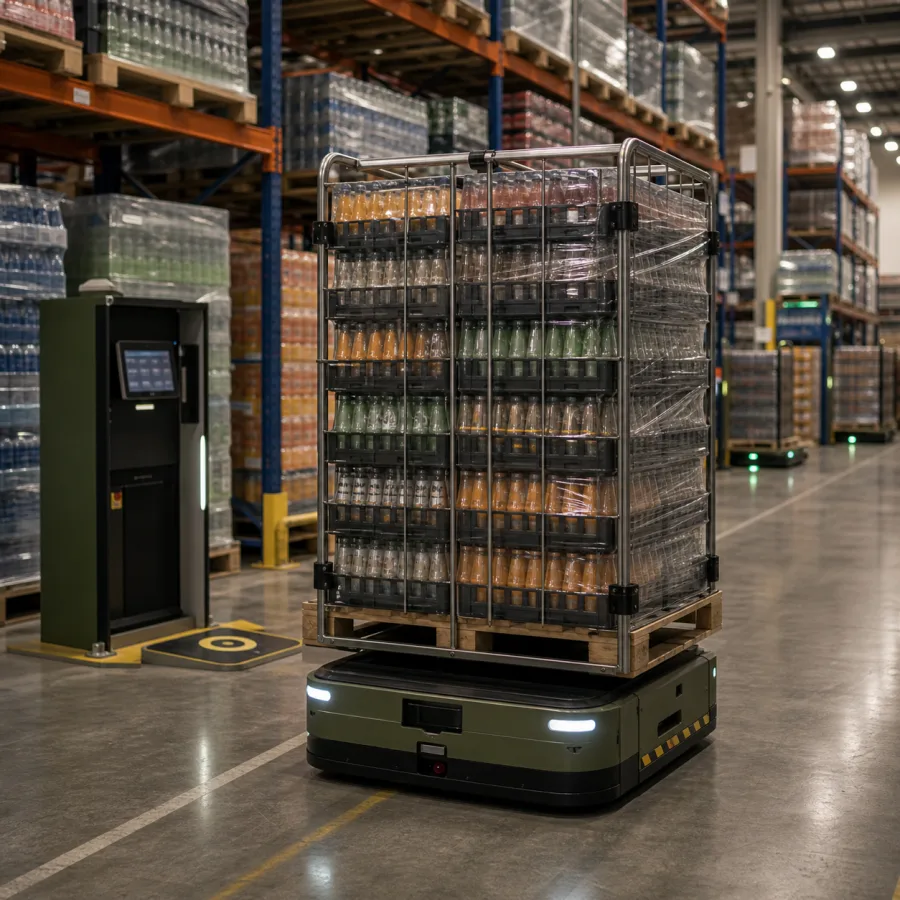
Beverages
Pallets between the packing area and storage were moved with manual pallet jacks — operators tied up in repetitive travel that adds nothing to the warehouse except fatigue.
A pilot with a single robot: we mapped the warehouse, set the routes and safety zones, installed a charging station. The warehouse wasn't rebuilt — the robot drives the same aisles people walk.
The main result is a controllable decision: the success criteria were fixed before the start, and scaling was judged by the pilot's numbers, not by gut feeling.
| Task | moving pallets: packing → storage |
|---|---|
| Format | a one-robot pilot, no warehouse rebuild |
| Setup | robot, charging station, warehouse map |
| Budget | from SAR 43,125 |
Calculate it for my warehouse
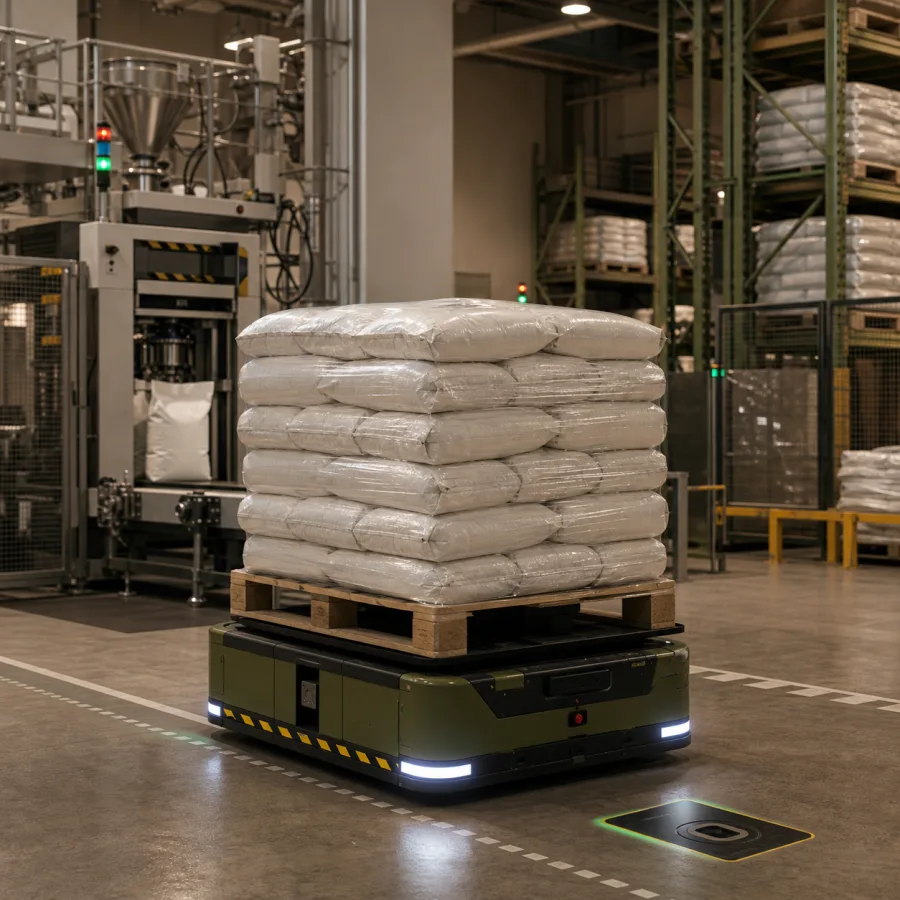
Flour mill warehouse
Flour sacks mean heavy pallets and one monotonous route from packing to storage. Exactly the kind of work that wears people down — and doesn't wear robots.
A robot with routes between packing and storage, a warehouse map, and a link into the warehouse records.
Manual transfers per shift dropped noticeably. People moved to work that takes judgment rather than repetitive hauling.
| Task | pallets: packing → storage |
|---|---|
| Setup | robot, warehouse map, records link |
| Budget | from SAR 37,125 |
Calculate it for my warehouse
RUN YOUR OWN NUMBERS · 30 SECONDS
Three sliders — and the order of magnitude on screen. No phone number, no magic: the formula is open.
How much of that robots can take over, and when they pay back — that's calculated from your warehouse layout: routes, peaks, charging. Three sliders can't honestly give you that number.
Only the share of time is used in the formula above. Trips and route length aren't in it — they go to the engineer with your request, for the personal calculation.
The formula on screen is the whole formula — nothing hidden. The number of robots and the payback appear in the personal calculation — which is free.
A FREE CALCULATION FROM YOUR WAREHOUSE LAYOUT
Not a slideshow about "the benefits of robots" — documents ready for management and capital-budget review.
built on your layout: pickup and drop-off points, the tight spots, and where charging lives.
for your flow — how many with a reserve, and how many without.
on your own numbers: people, shifts, trips. Every assumption is spelled out — the labor rate, trips per shift, charging windows. It's a model you can challenge and stress-test — that's the point.
numbers, risks, stages on a single sheet. A ready document for defending the project.
success criteria fixed BEFORE the start: that's what the result gets judged by afterwards.
2–3 business days after we receive the layout and flow data. No need to attach the layout right now — you'll send it after the request via whichever channel suits you.
That same free package: route, number of robots, payback model.
The robot runs a real route, among your people, with no warehouse rebuild. Success criteria are fixed before the start — the scaling decision is made on numbers.
Routes and charging stations are added — robots take over transfers zone by zone.
Jobs come from your WMS or ERP; the robots split the work among themselves.
picks up an ordinary pallet straight off the floor — no special racking, no warehouse rebuild. Our pilot candidate.
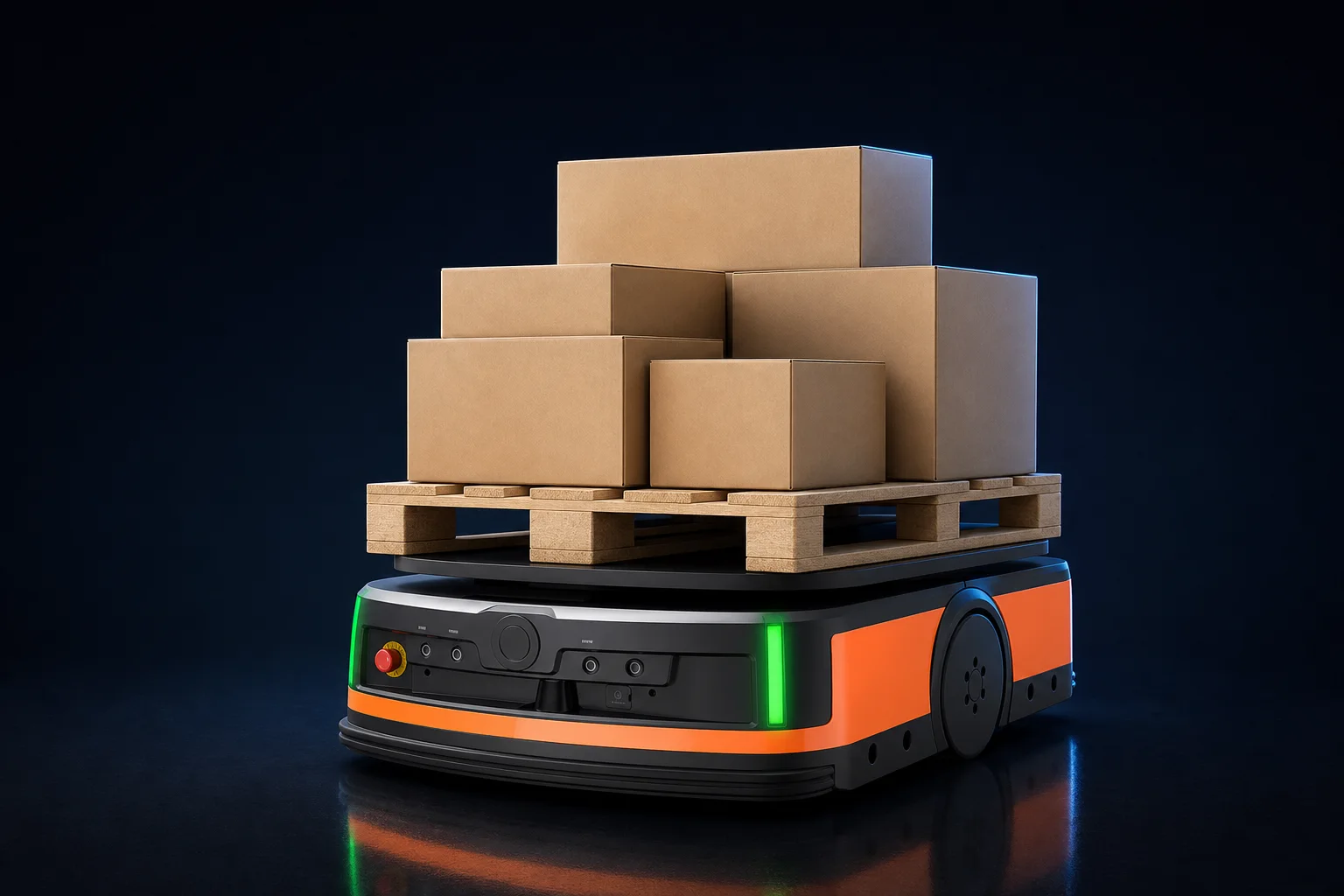
a forklift AMR for closed pallets of beverages, sacks, finished goods.
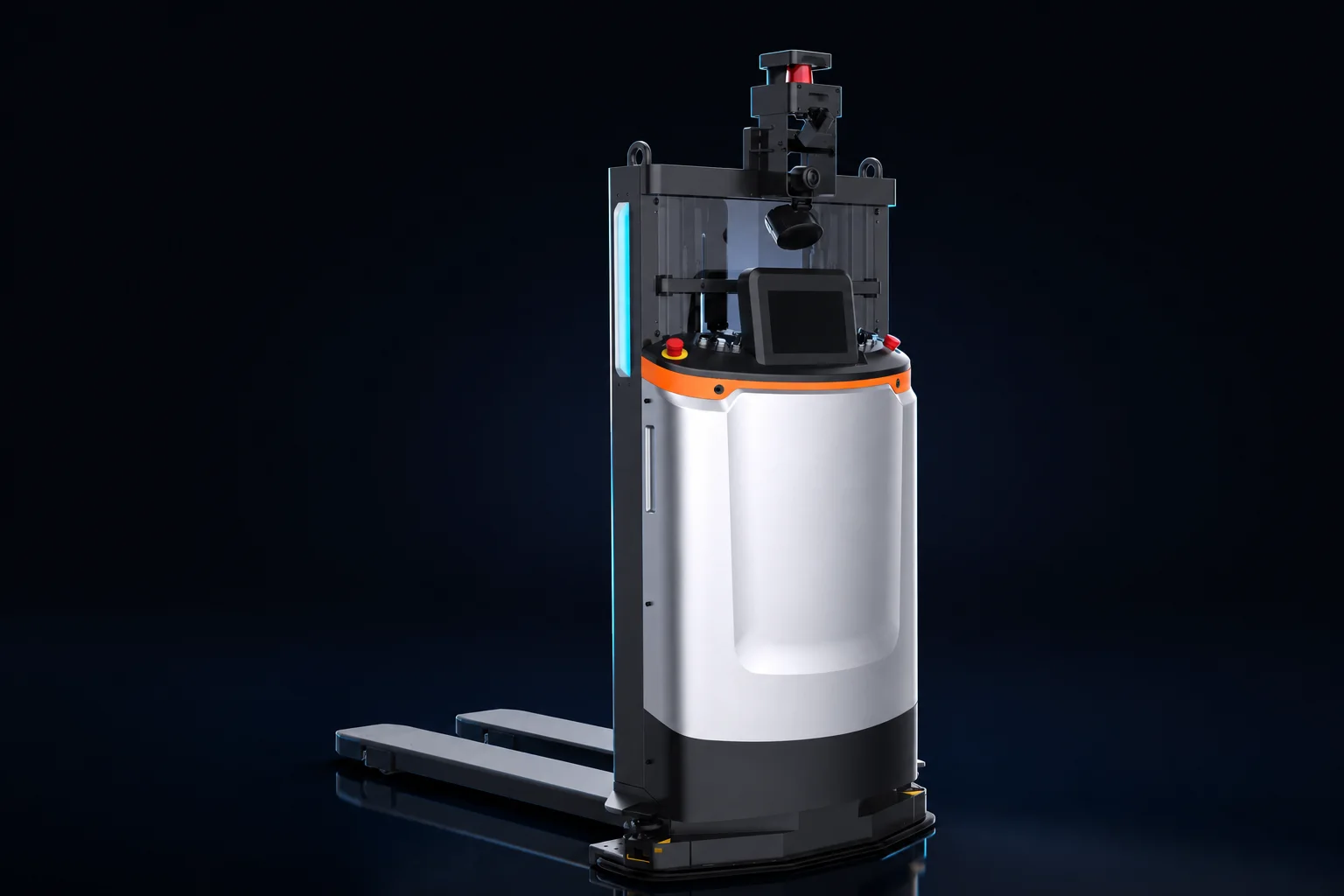
an under-ride lifting AMR for racks and carriers; hundreds of these machines run in a single fleet under one management system.
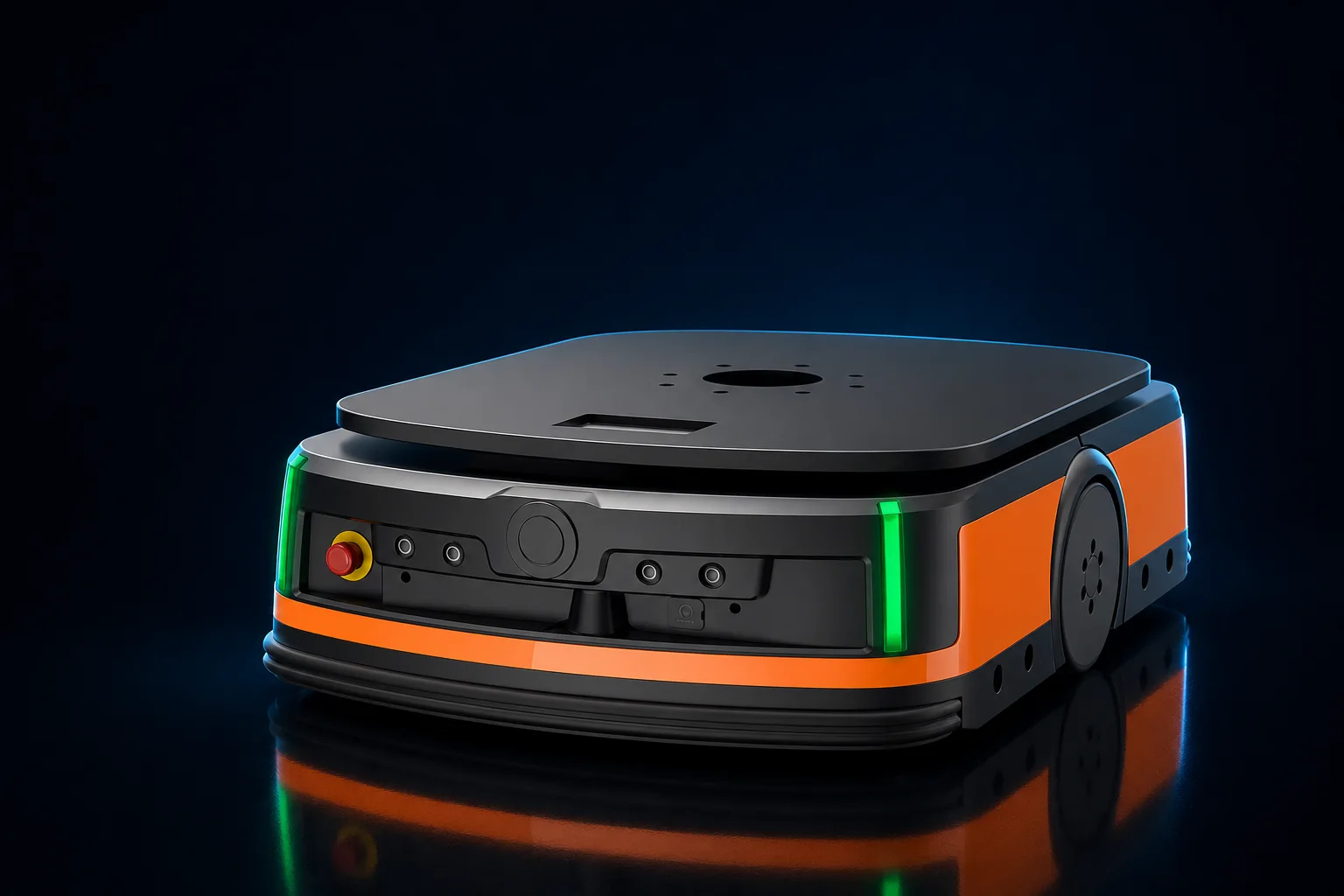
RCS-2000 — fleet and traffic managementiWMS-1000 — the link into your WMS/ERP
Hikrobot reports fleets of hundreds on its platform: 100 AMRs in a book-retail warehouse, 200+ at an FAW plant (manufacturer's data)
The robot watches its surroundings with safety-rated laser and auxiliary sensors: it slows and stops around obstacles, and the management system reroutes. Final traffic rules and clearances are validated during the pilot for your layout and applicable standards.
these projects are serious money — so every number we show comes with its assumptions in the open, and every promise with a name attached.
supply, pilot, commissioning, launch.
robots and spare parts ship straight from the Hikrobot factory; timing depends on factory stock, destination and customs — fixed in the specification.
success criteria on paper before the start; scaling only on the pilot's numbers.
the person who built your model runs your pilot.
Small flows (a few trips per hour), short routes (meters, not tens of meters), one part-time person "helping out" with transfers. In those cases we say "not yet" — a robot for the robot's sake won't pay back, and that's visible at the calculation stage. Which is what the calculation is for.
The robot drives off to charge on its own, between jobs: 6–8 hours of runtime, a full charge in 1.5–2 hours. Round-the-clock operation is a property of a FLEET with reserve machines, not of a single robot — and the payback model counts the charging windows honestly.
Yes, that's a standard part of the job: we link the robot management system to your WMS or ERP. If your system is home-grown, we'll look at its capabilities at the calculation stage.
The rough guide: aisles from ~1.8 m for an under-ride robot with a pallet and from 2.1 m for a forked one; a level industrial floor (the robot's ground clearance is ~25 mm); slopes up to 3–4°; Wi-Fi along the route. All of it is checked against your layout before the pilot — it's part of the free calculation.
The robot uses safety-rated laser and auxiliary sensors: it slows near crossings, stops before an obstacle, and the management system reroutes. The site risk assessment and final traffic rules are validated during the pilot, in your own aisles.
Your dispatcher learns to assign jobs to the robots and read their statuses — we teach that right on the pilot.
A robotics engineer, via the channel you chose.
A route map, the number of robots and a payback model with open assumptions — plus a management one-pager and a sample pilot spec. All of it 2–3 business days after the layout arrives. If it's too early for robots at your warehouse, the calculation will say exactly that — and you'll save the cost of a pilot.
2 minutes to applyan engineer replies within 4 business hours