Camera Link area scan cameras Hikrobot
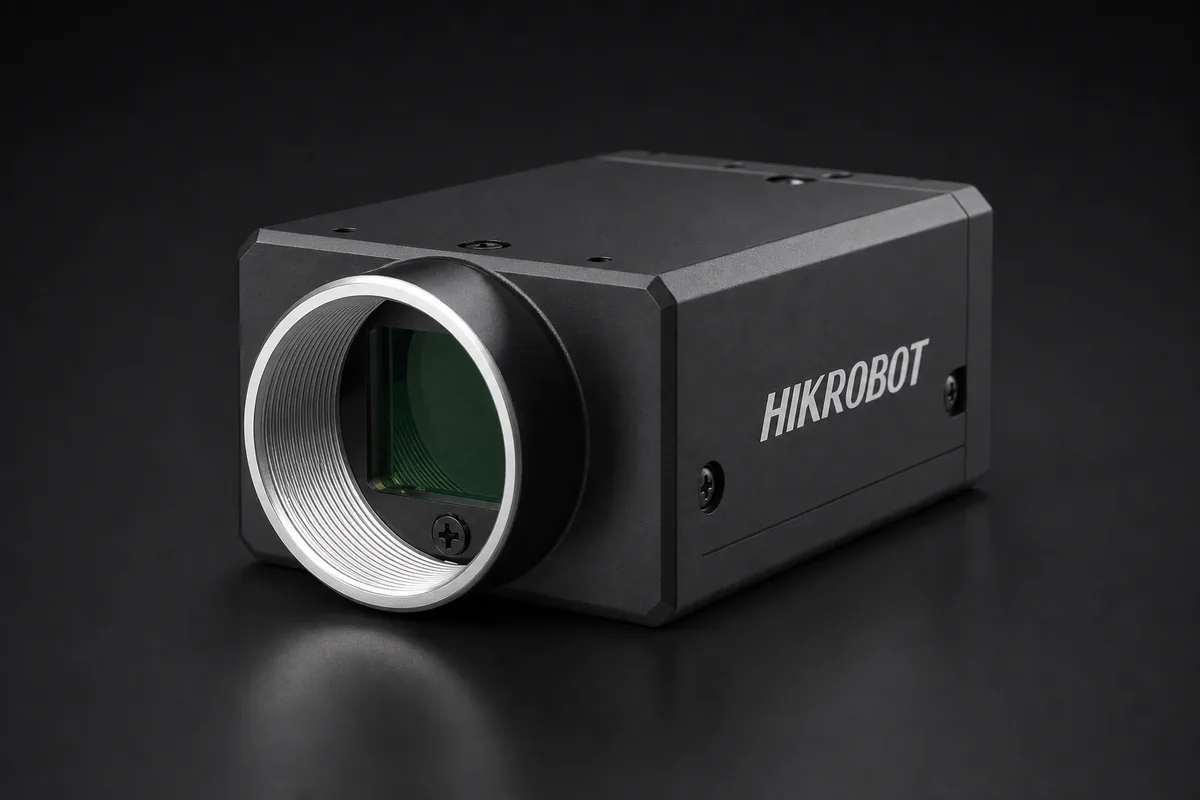
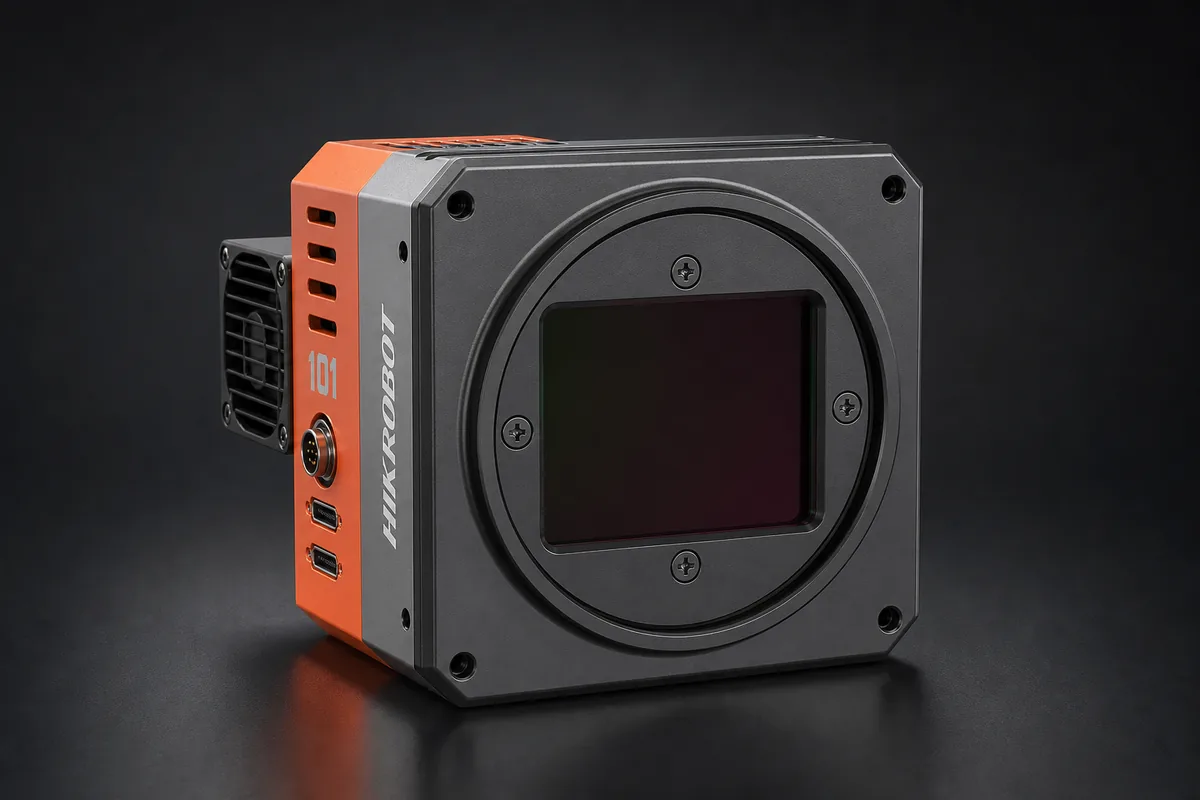
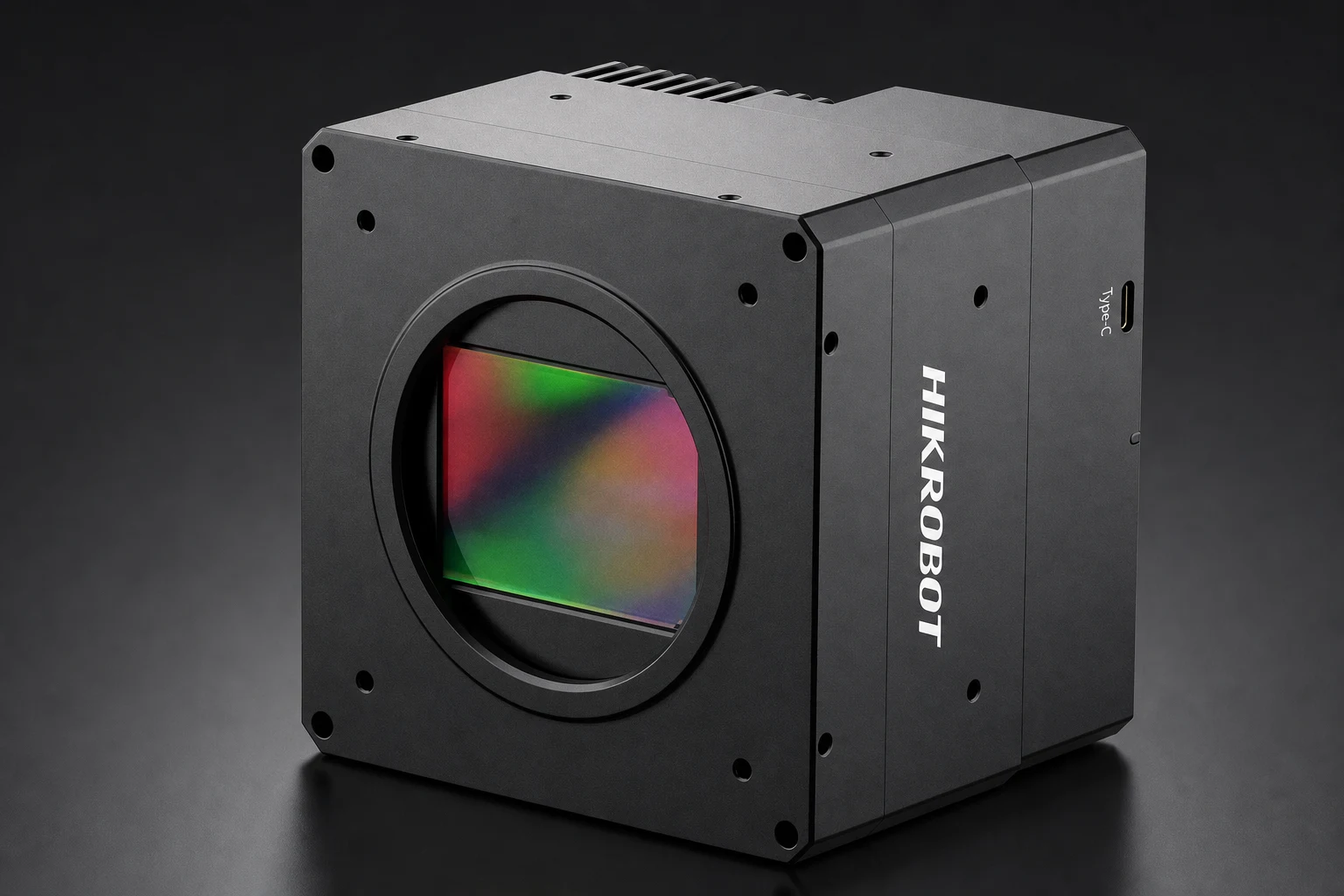
Hikrobot area scan cameras with a Camera Link interface: deterministic latency and synchronisation, a matching frame grabber is required.
| Model | Resolution | Frame rate | Sensor | pixel size |
|---|---|---|---|---|
| MV-CH050-10CMArea camera | 2432 × 2048 | 140 fps @2432 × 2048 | 2/3″ | 3.45 × 3.45 µm |
| MV-CH1010-10CM-M72-NFArea camera | 11648 × 8740 px | 8.1 fps | 55 mm | 3.76 × 3.76 µm |
| MV-CH040-A0CMArea camera | 2048 × 2048 | 180 fps @2040 × 2048 Mono 8 | 1″ | 5.5 μm × 5.5 μm |
| MV-CH050-10CCArea camera | 2432 × 2048 | 140 fps @2432 × 2048 | 2/3″ | 3.45 µm × 3.45 µm |
| MV-CH1010-10CM-M72-TFArea camera | 11648 × 8740 | 8.1 fps @ 11648 × 8740 Mono 8 | 55 mm | 3.76 μm × 3.76 μm |
| MV-CH120-10CMArea camera | 4096 × 3000 , 3840 × 3000 | 50.9 fps @ 4096 × 3000 Mono 8 69.8 fps @ 3840 × 3000 Mono 8 | 1.1″ | 3.45 μm × 3.45 μm |
| MV-CH120-10CCArea camera | 4096 × 3000 , 3840 × 3000 | 51.4 fps @ 4096 × 3000 Bayer RG 8 68.1 fps @ 3840 × 3000 Bayer RG 8 | 1.1″ | 3.45 μm × 3.45 μm |
| MV-CH250-20CM-M58S-NNArea camera | 5120 × 5120 | 31.3 fps @ 5120 × 5120 | 23 mm × 23 mm | 4.5 µm × 4.5 µm |
Selecting a Camera Link acquisition path
This category brings together Hikrobot area scan cameras that use a Camera Link interface. Their defining system characteristics are deterministic latency and synchronisation. They therefore fit acquisition tasks in which image capture must follow a coordinated timing scheme. A matching frame grabber is a required part of that scheme and must be included when the camera architecture is chosen.
Start with the interface path rather than treating the camera as a standalone device. The acquisition arrangement has to include the matching frame grabber, while the camera choice has to remain consistent with the required deterministic latency and synchronisation. At category level, the complete model designation is the main way to distinguish closely named alternatives, so every prefix, middle element and suffix should be retained during comparison.
The range includes paired branches as well as individual designations. MV-CH050-10CM and MV-CH050-10CC share one base stem, while MV-CH120-10CM and MV-CH120-10CC form another pair. The MV-CH1010 branch contains MV-CH1010-10CM-M72-NF and MV-CH1010-10CM-M72-TF. Separate entries are MV-CH040-A0CM and MV-CH250-20CM-M58S-NN.
A sound final check covers both the acquisition architecture and the exact camera name. Do not drop the M72, M58S, NF, TF, CM, CC or NN elements when transferring a designation into a system plan. A nearby name is still a different listed camera. Confirm the intended full designation together with the Camera Link frame grabber before fixing the synchronized acquisition arrangement.
FAQ
What common system characteristic defines these area scan cameras?
Every camera in the category uses Camera Link. The category description associates that interface with deterministic latency and synchronisation, making the interface architecture central to selection rather than a detail to consider after the camera name is chosen.
Why must a frame grabber be planned with the camera?
A matching frame grabber is explicitly required for these Camera Link models. Treat it as part of the acquisition path from the beginning, alongside the need for deterministic latency and synchronisation, rather than as an accessory added after model selection.
How is the MV-CH1010 branch divided in the listed range?
The branch has two listed area cameras: MV-CH1010-10CM-M72-NF and MV-CH1010-10CM-M72-TF. Their names share the same stem and M72 element but end differently, so the NF or TF ending must be preserved when specifying the required variant.
Which camera names form the other closely related pairs?
MV-CH050-10CM is paired by stem with MV-CH050-10CC, and MV-CH120-10CM with MV-CH120-10CC. These entries should be compared and recorded by their full designations because the final CM and CC elements identify separate listed models.
What should be checked before fixing a Camera Link model?
Verify the full camera designation and the matching frame-grabber plan together. The list contains shared stems, distinct endings, and longer forms such as MV-CH250-20CM-M58S-NN, so shortening a name can obscure which area camera the acquisition system is built around.