Lighting Hikrobot
Hikrobot machine vision lighting: bar, ring, flat, coaxial, dome and spot fixtures, plus strobe controllers and cables. Selection by form factor, emitting area, colour and beam angle.
| Family | Sizes | Colours | Power |
|---|---|---|---|
| Bar lights for machine vision255 PNs | 50–1800 mm | White, Red, Blue, Green | 1–162.2 W |
| Ring lights for machine vision cameras212 PNs | 24–300 mm | Red, White, Blue, Ultraviolet 365 nm | 0.4–61 W |
| Flat panel lights for machine vision102 PNs | 27–900 mm | White, Red, Blue, Green | 1.7–380 W |
| Flat lights with a lens hole81 PNs | 50–620 mm | White, Red, Blue, Infrared 940 nm | 1.7–298.8 W |
| Coaxial lights for specular surfaces41 PNs | 16–300 mm | White, Red, Blue, Green | 0.9–384 W |
| High-brightness line lights for line scan cameras26 PNs | 100–2100 mm | White | 20–702 W |
| Spot lights and fibre illuminators15 PNs | Ø8–20 mm | White, Blue, Red, Ultraviolet 365 nm | 1.1–9 W |
| Dome and shadowless lights21 PNs | 50–300 mm | White, Red, Blue | 2.3–45 W |
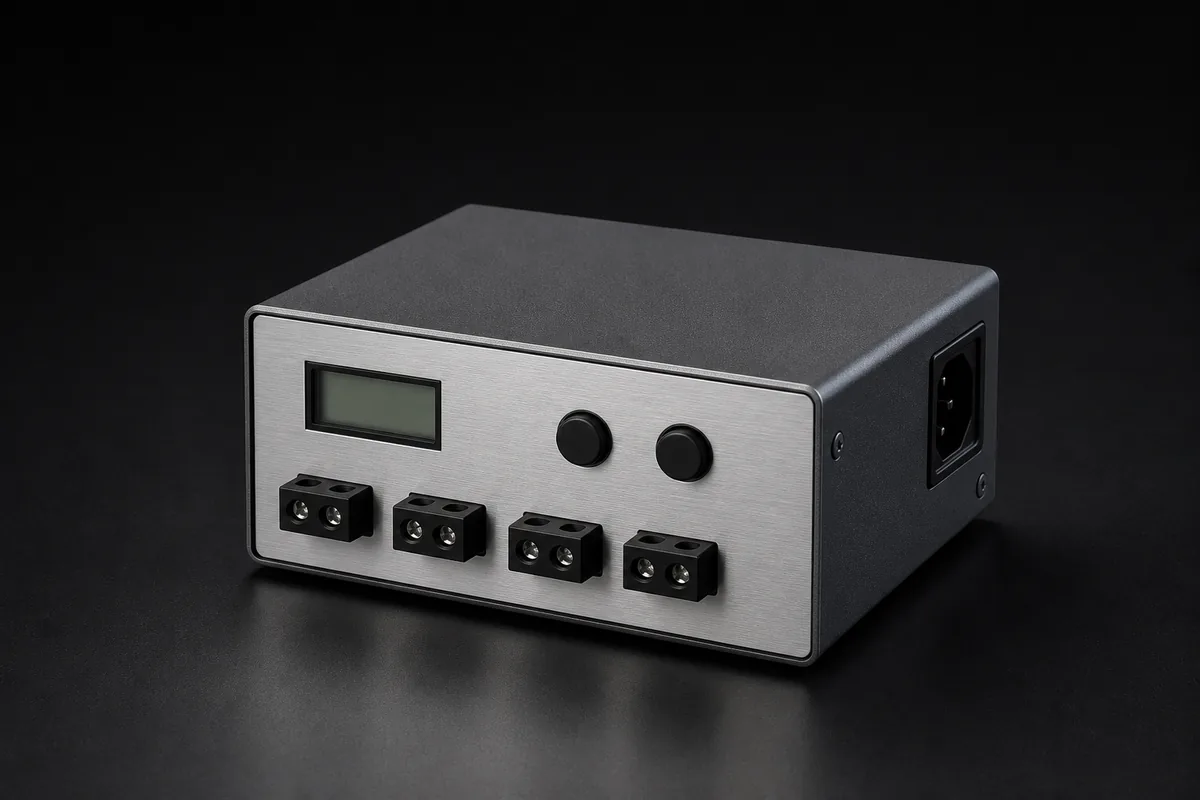
| Lighting controllers: strobe and brightness control42 PNs | 100~240VAC, 12 VDC, 24 VDC | — | — |
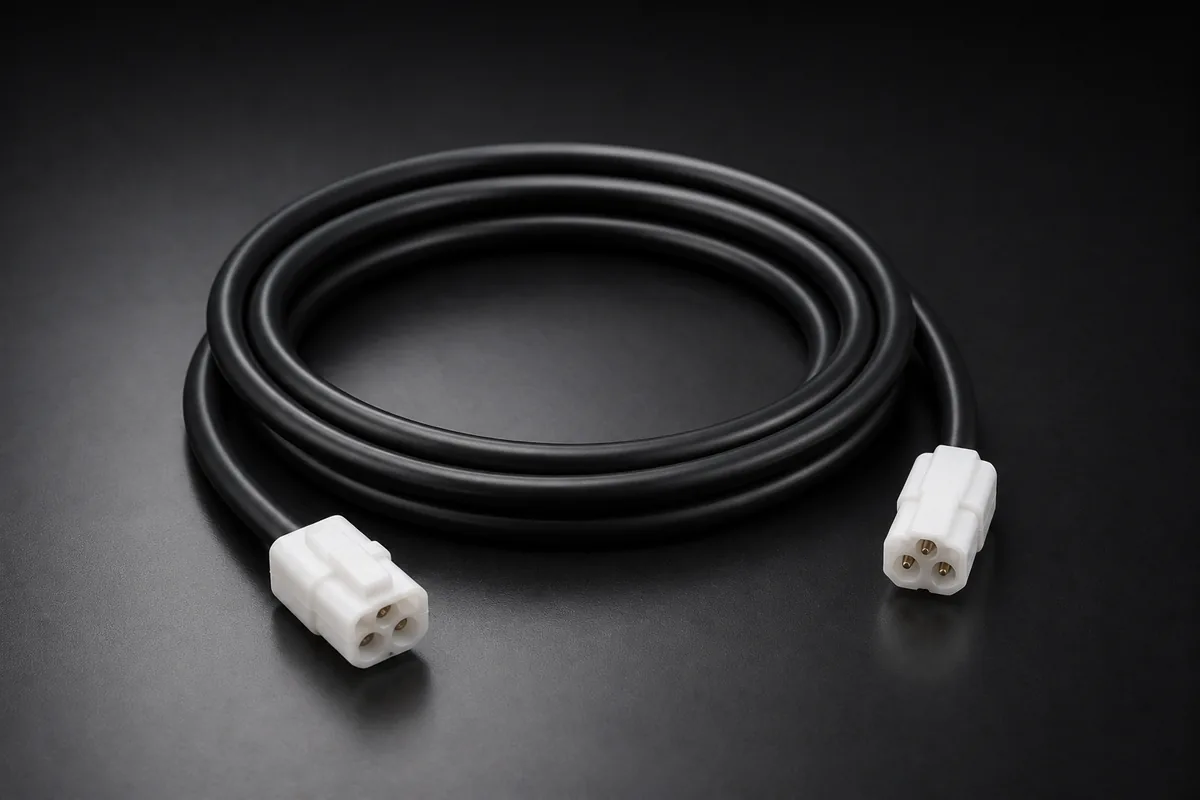
| Lighting cables: fixture to controller42 PNs | 1–30 m | — | — |
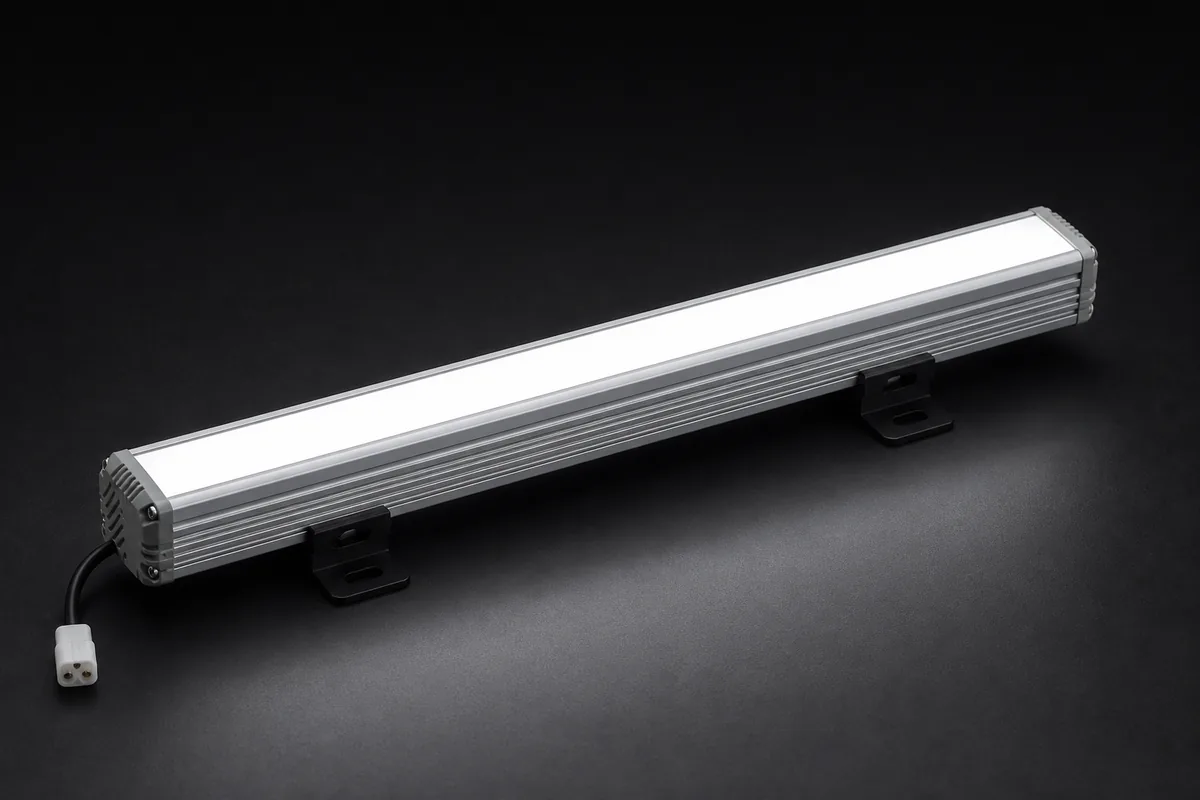
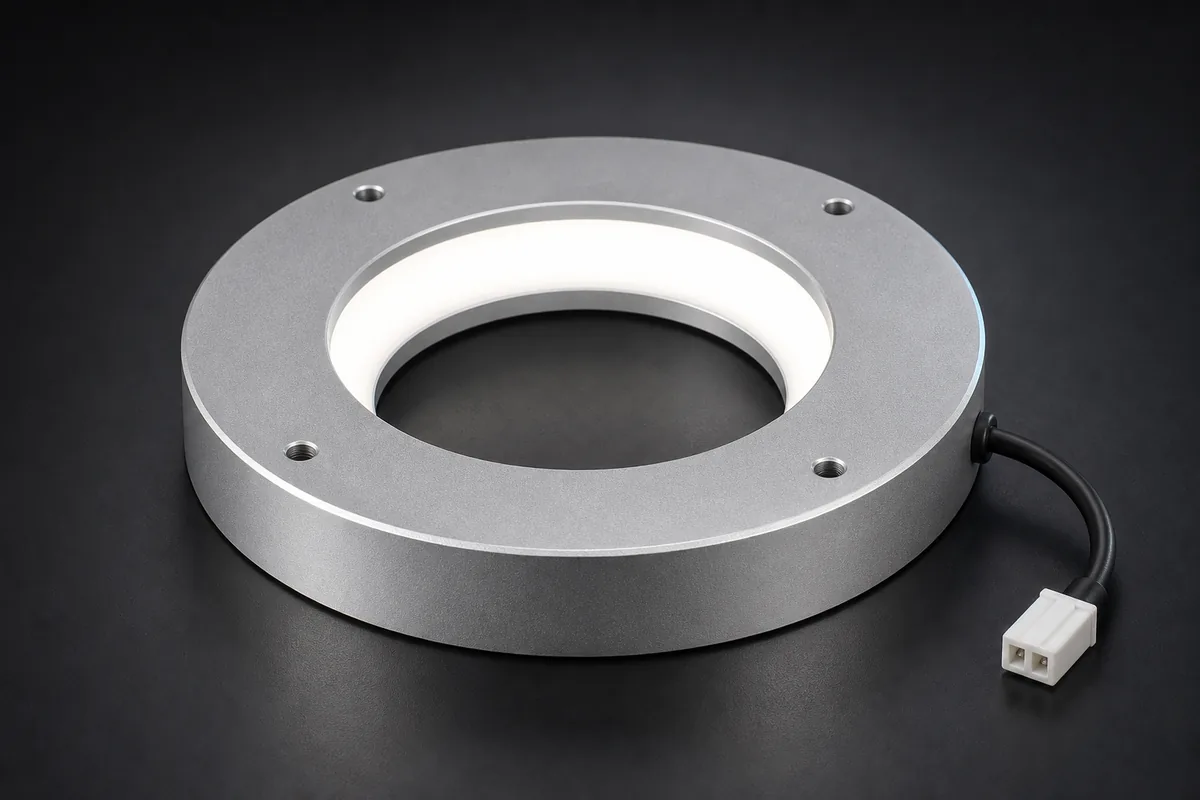
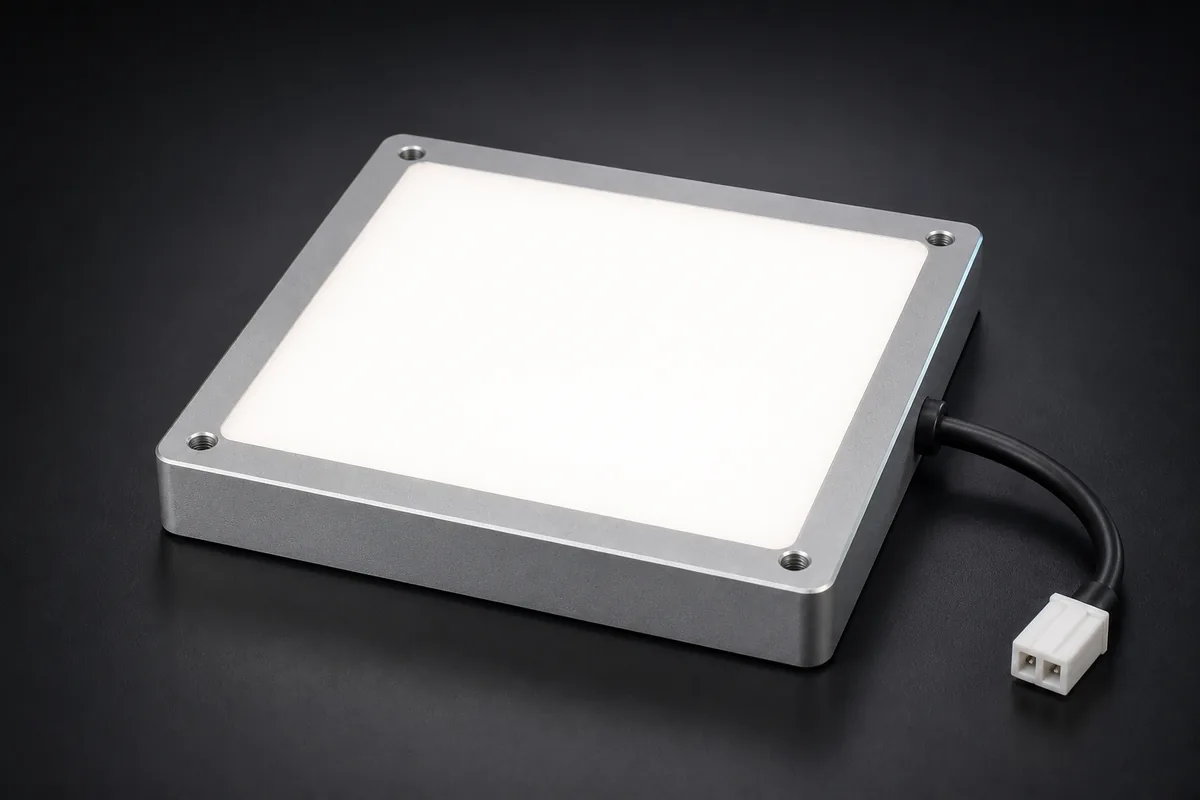
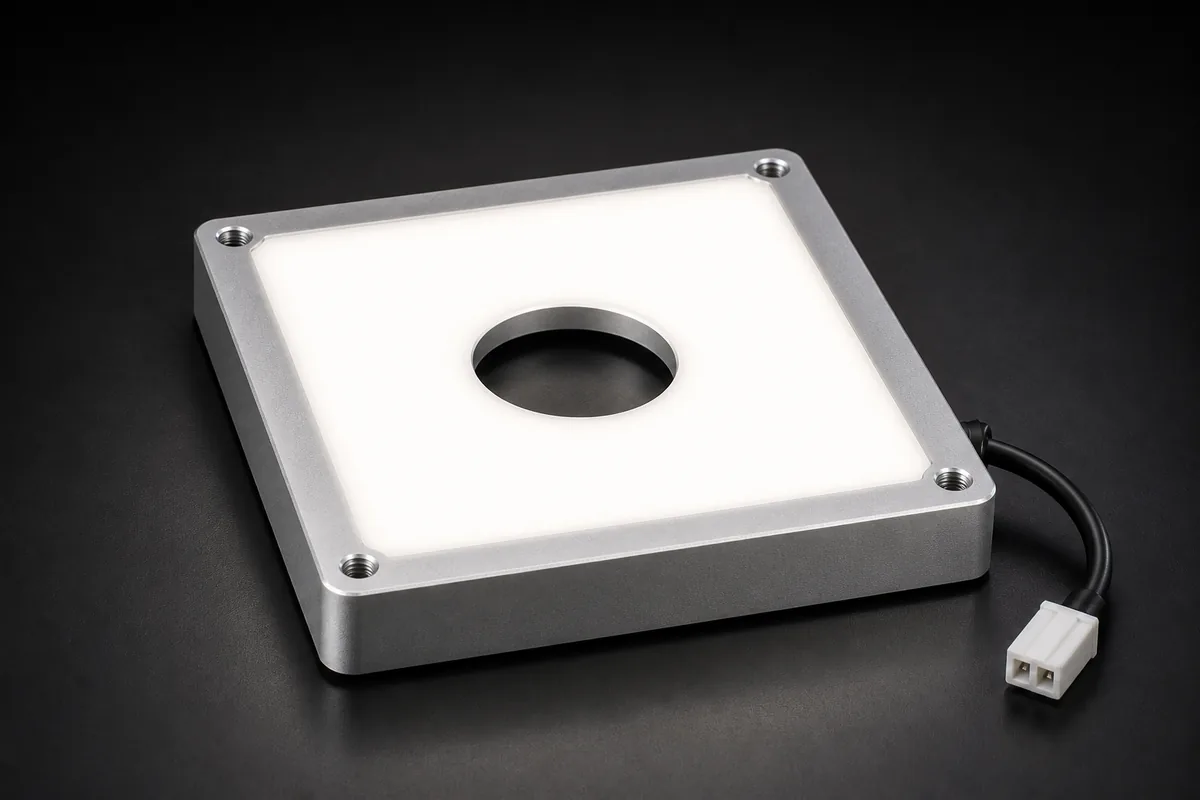
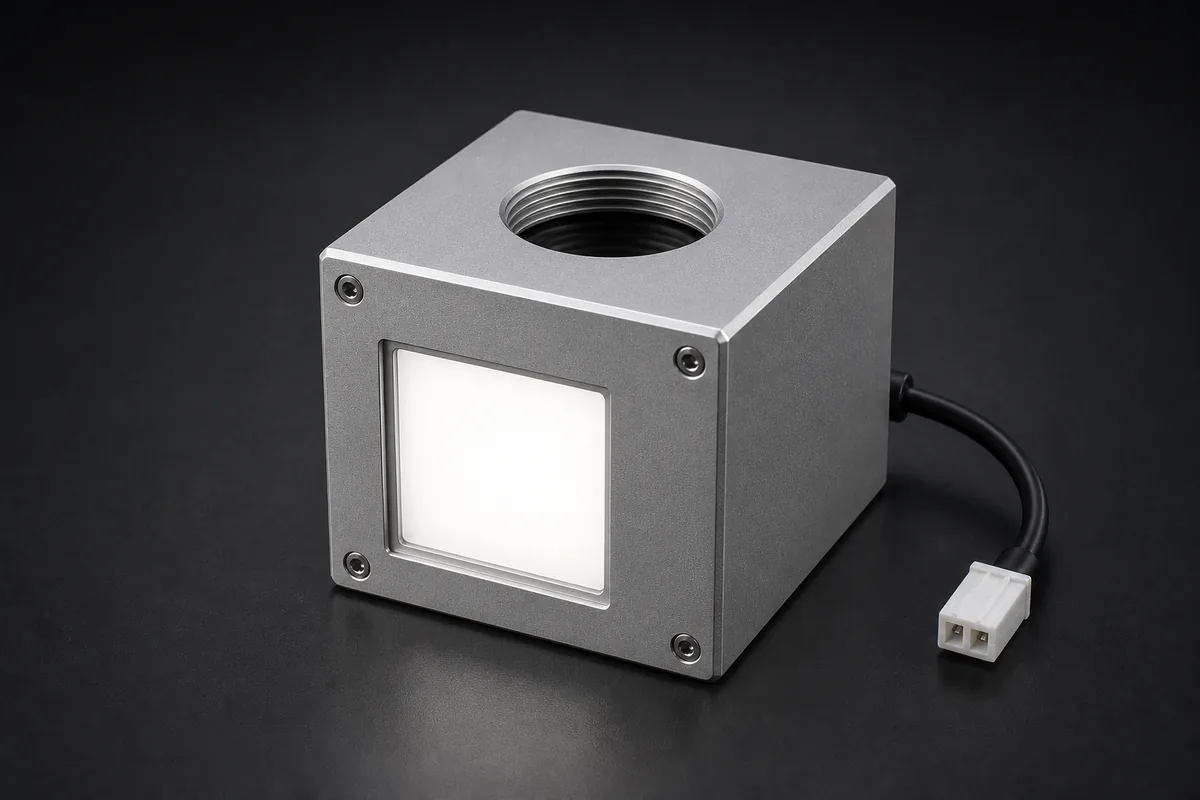
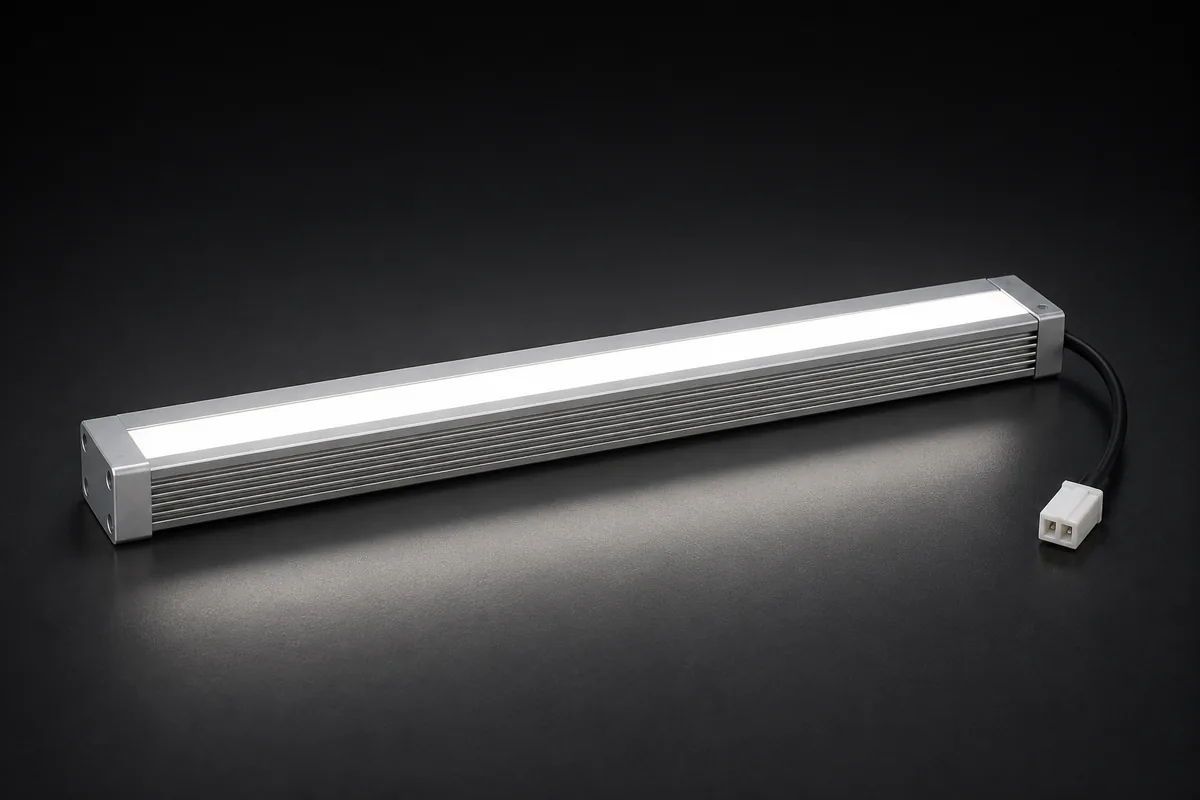
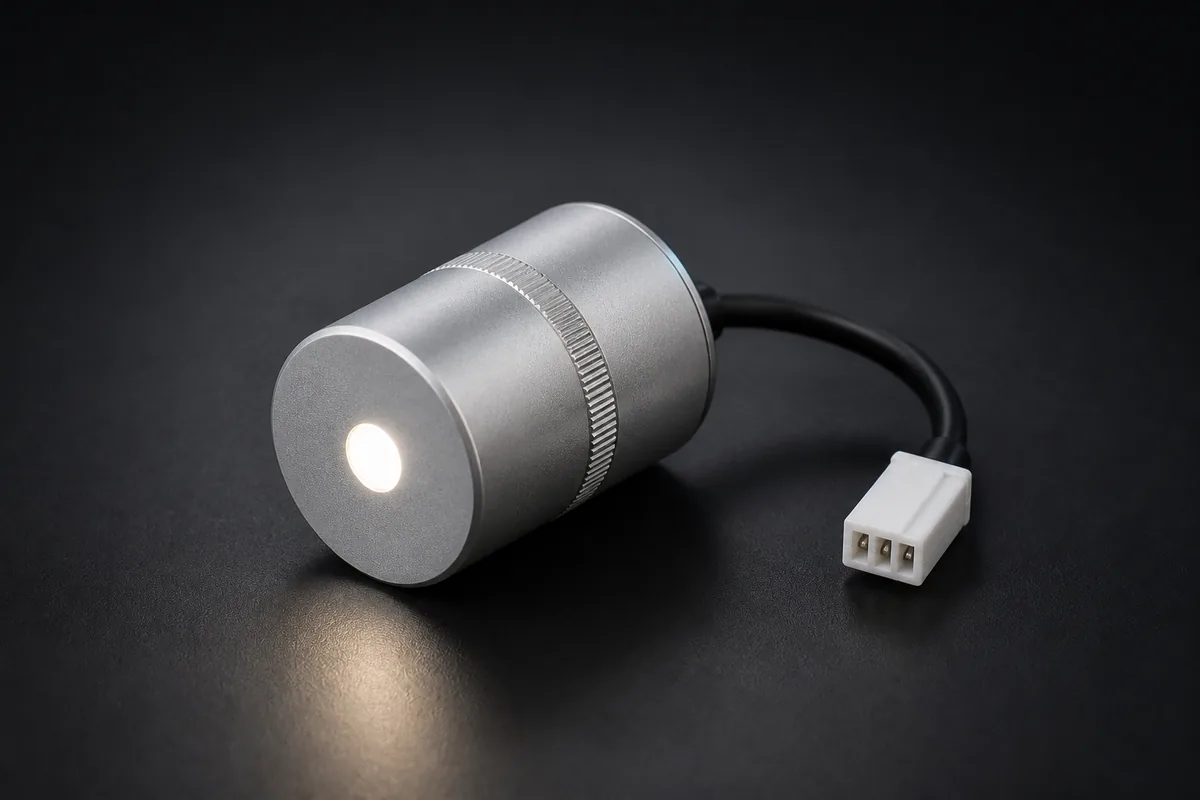
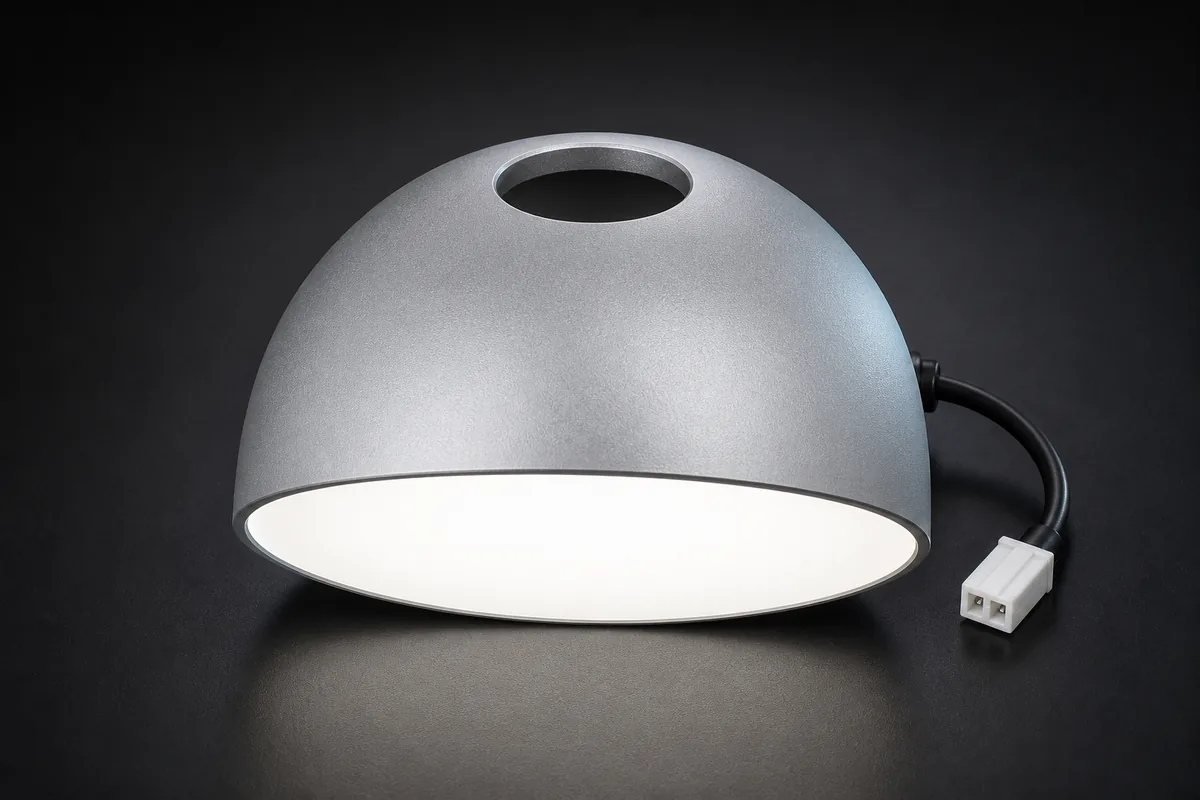
Select the lighting form before the supporting hardware
Hikrobot machine vision lighting is organised into bar, ring, flat, coaxial, line-scan, spot, dome and shadowless fixture categories. A separate flat-light group provides a lens hole. The same category tree also includes strobe and brightness controllers plus the cables that connect fixtures to controllers, separating illumination hardware from its supporting components.
Choose the fixture group from the required form factor, emitting area, colour and beam angle. A coaxial light is the named branch for specular surfaces, while a line light is the branch for line scan cameras. Flat panels and flat lights with a lens hole are distinct groups, so the required viewing geometry should be decided before a specific emitting area or colour is selected.
The branches differ substantially in listed breadth. Bar lights contain 255 part numbers and ring lights 212. Flat panels contain 102, flat lights with a lens hole 81, coaxial lights 41, line lights 26, spot lights 15, and dome and shadowless lights 21. These are separate form-factor groups rather than variations of one fixture type.
Controllers and cables should be treated as their own selection stage. The controller branch has 42 part numbers for strobe and brightness control, and the cable branch has 42 part numbers for fixture-to-controller connections. Complete the lighting choice by aligning the fixture form, emitting area, colour and beam angle, then select the appropriate controller and connection cable category.
FAQ
Which parameters should be fixed before choosing a lighting branch?
Start with form factor, emitting area, colour and beam angle. Those inputs distinguish the fixture geometry and the light delivered to the scene. Controller and cable selection follows as a separate stage after the fixture branch has been established.
Which branches explicitly address specular surfaces and line scanning?
Coaxial lights are the branch identified for specular surfaces. High-brightness line lights are the branch identified for line scan cameras. These task labels provide a direct way to narrow the fixture type before comparing individual parts.
How are the two flat-light categories separated?
One branch contains flat panel lights, with 102 part numbers. A second branch contains flat lights with a lens hole, with 81 part numbers. The presence of the lens hole is therefore a category-level geometry decision, not a controller option.
Are strobe controllers included as lighting fixtures?
Controllers form a separate branch with 42 part numbers and cover strobe and brightness control. Bar, ring, flat, coaxial, line-scan, spot, dome and shadowless groups are the fixture branches.
What is the role of the lighting-cable branch?
The cable group is specifically described as fixture-to-controller connections and contains 42 part numbers. It belongs after selection of the fixture and controller rather than being used to decide emitting area, colour or beam angle.