Machine Vision Lenses
Hikrobot machine vision lenses: fixed focal length for 1/1.8″ to 4/3″ sensors, telecentric and bi-telecentric optics, line scan, macro, APS-C and SWIR, plus adapter rings and polarizers.
Types and families
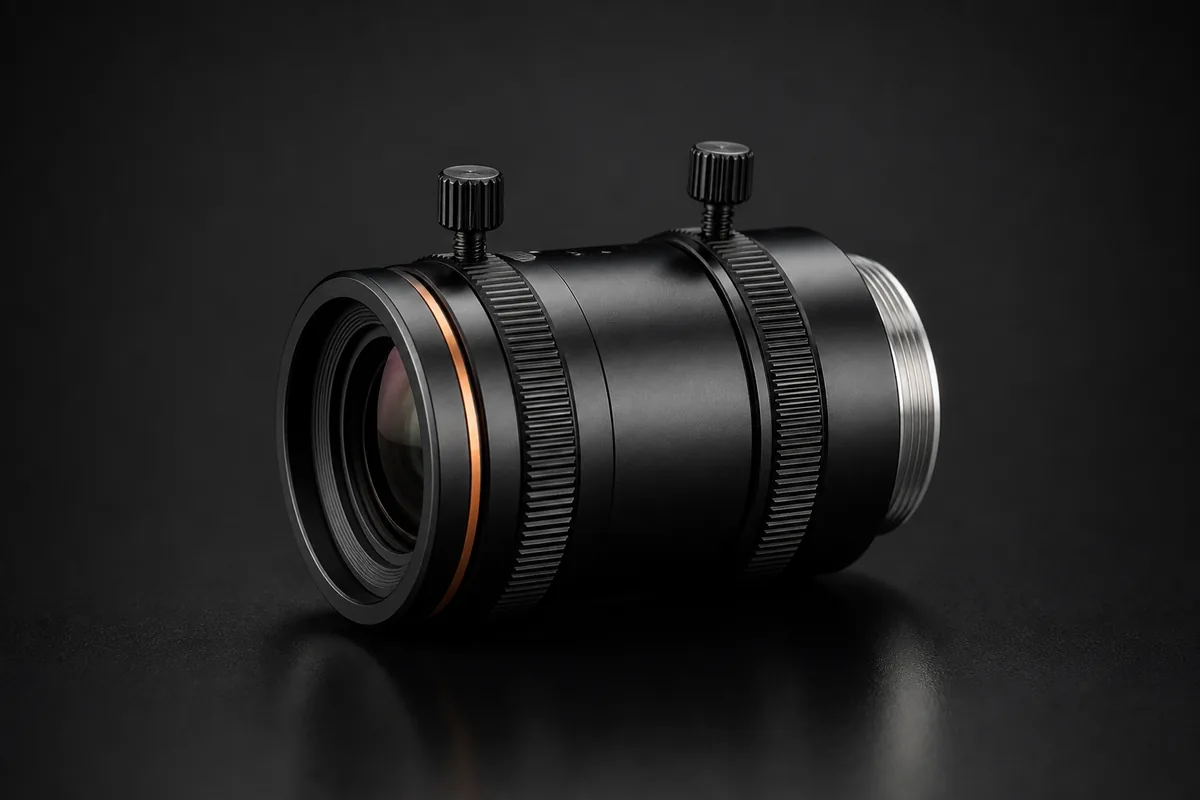
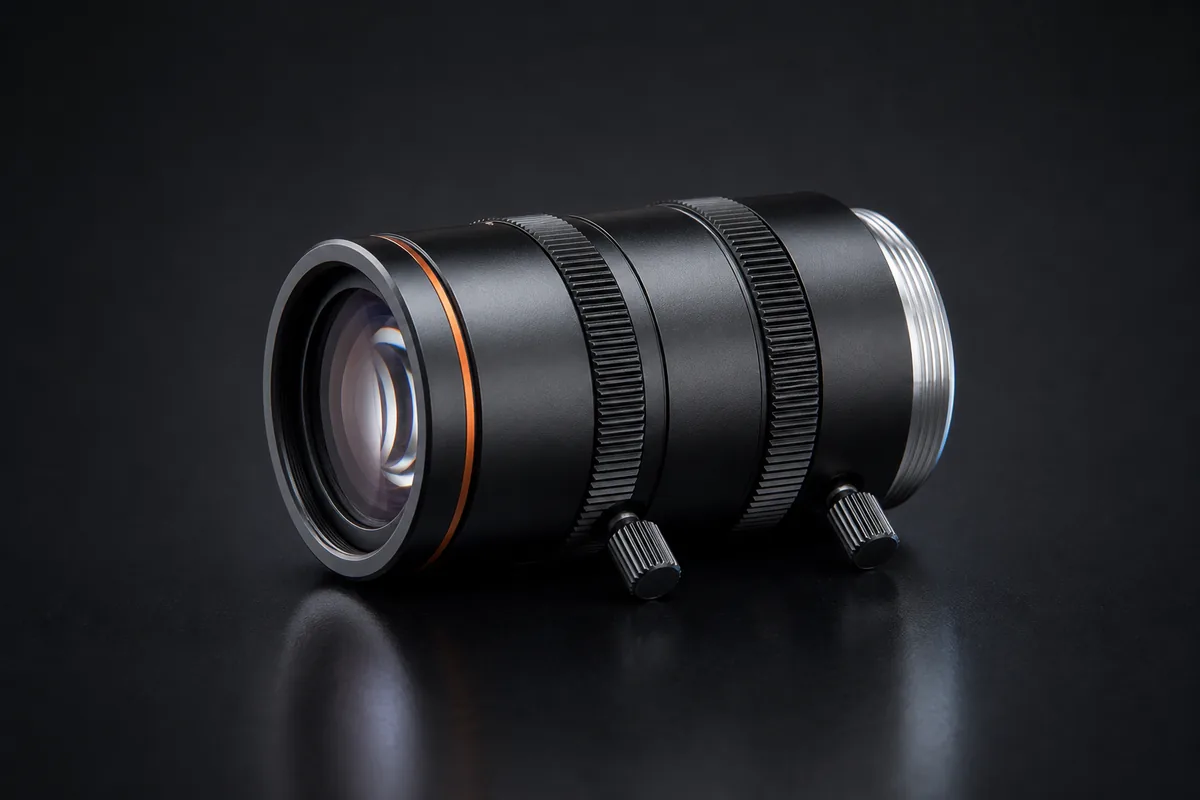
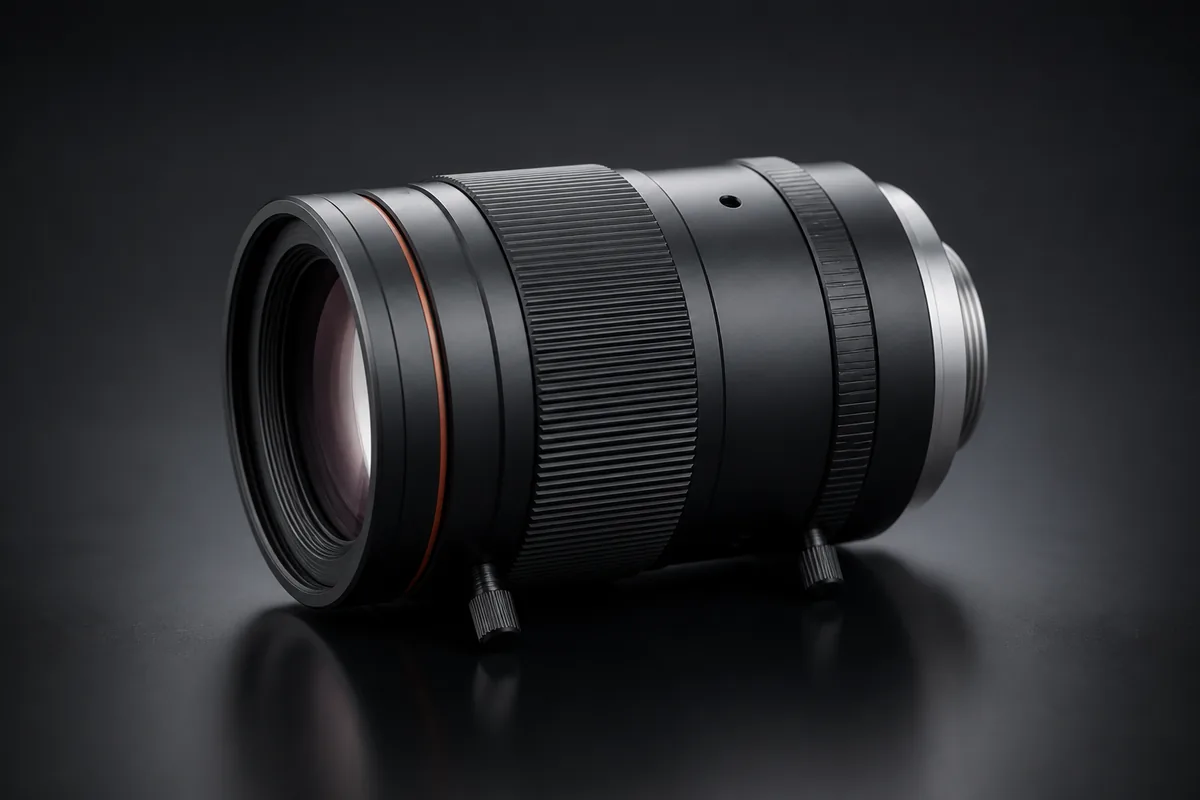
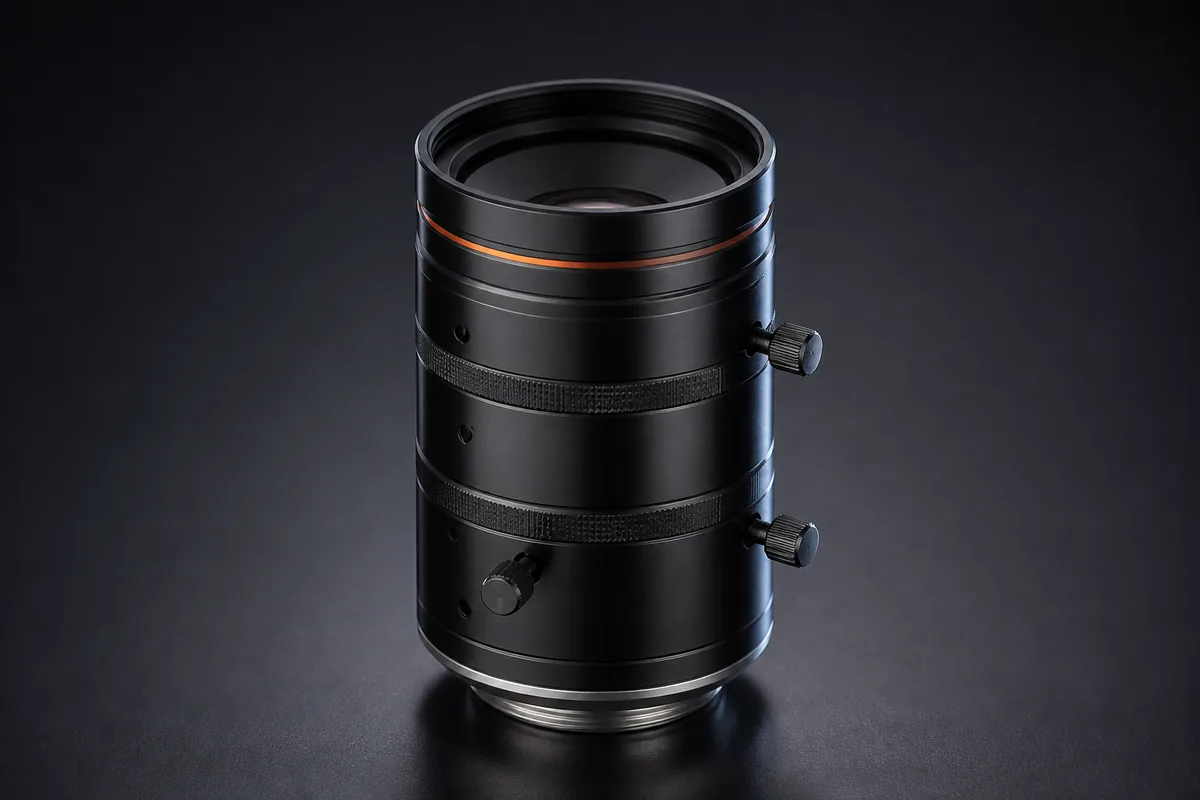
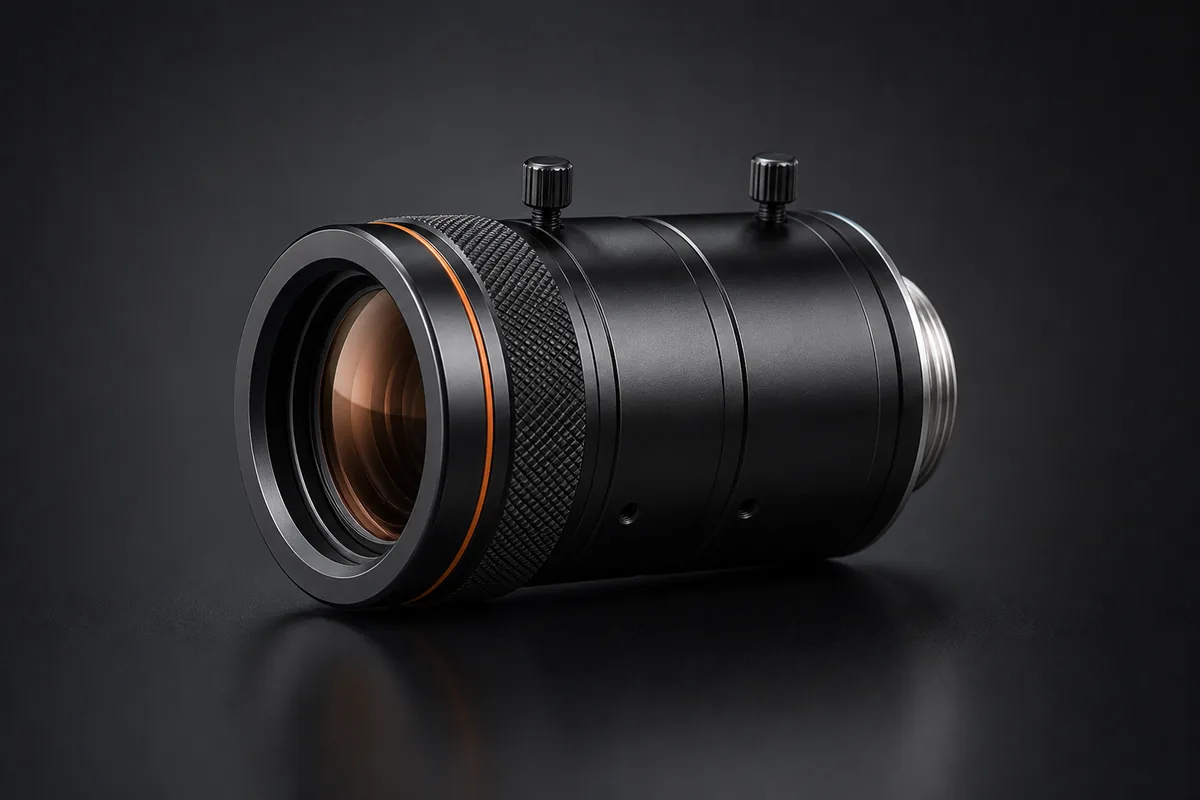
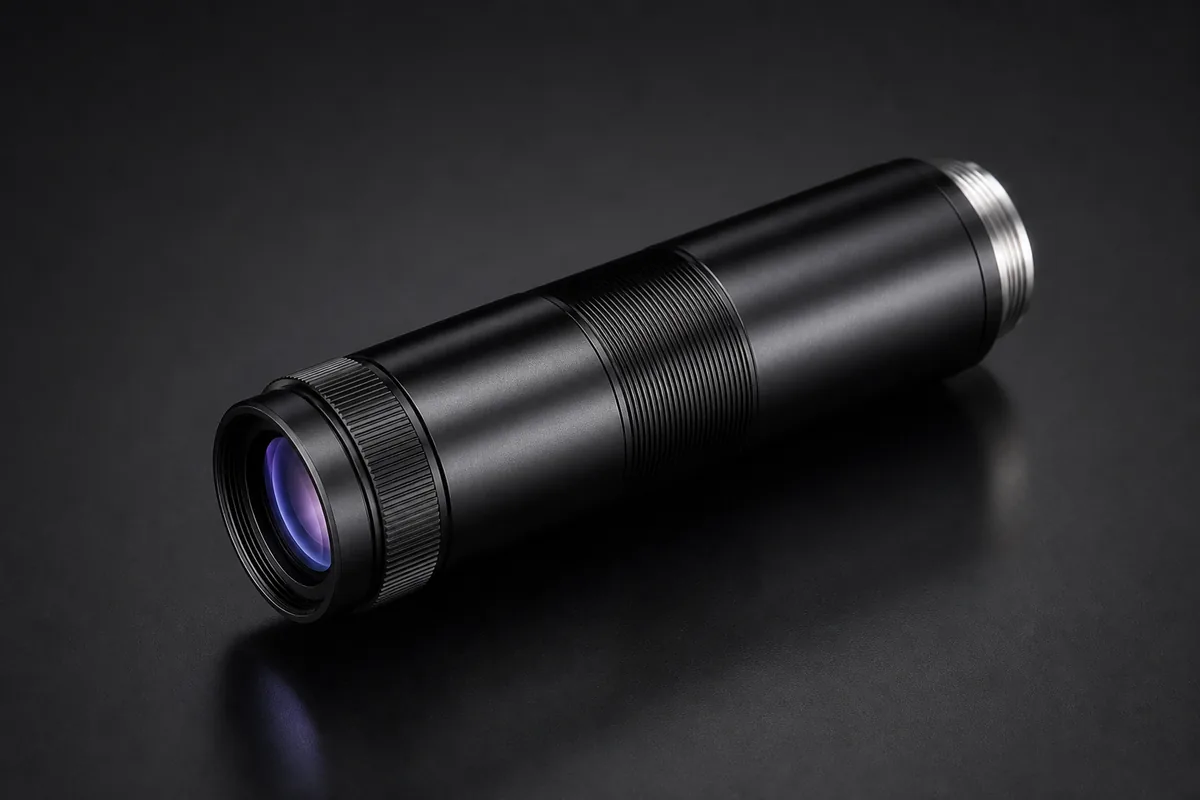
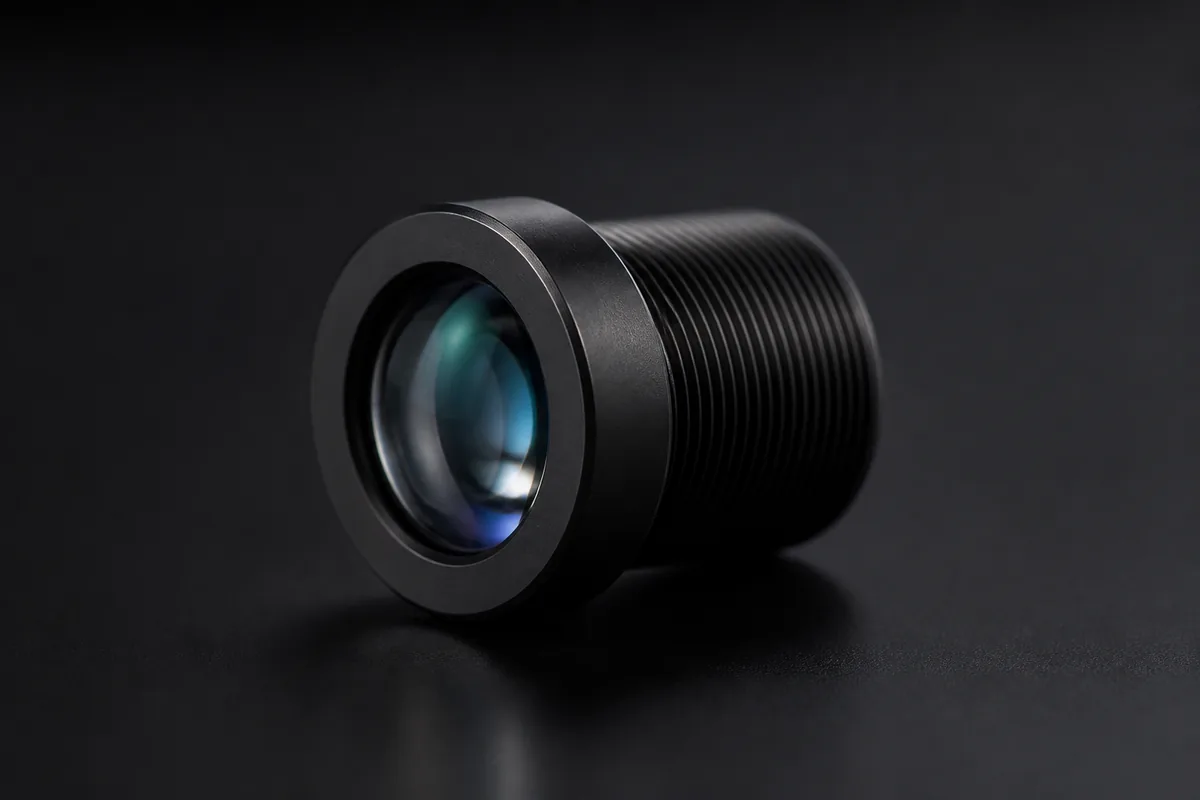
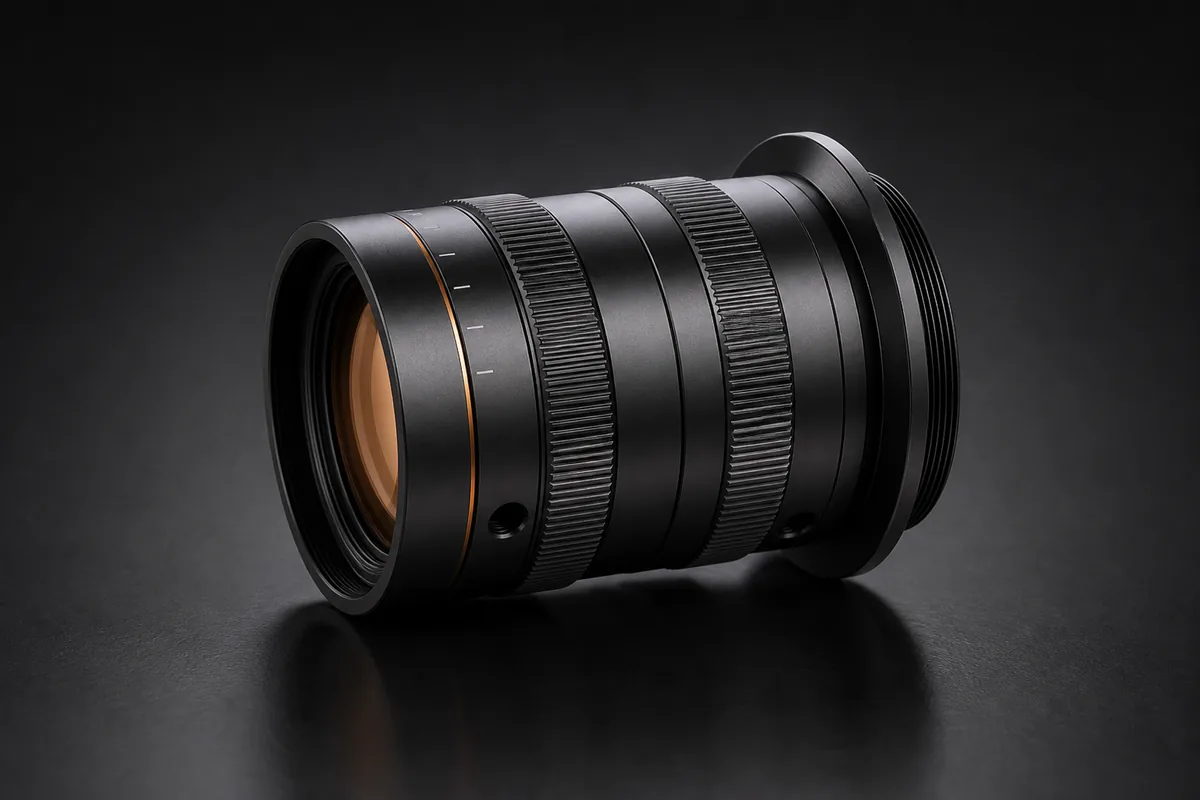
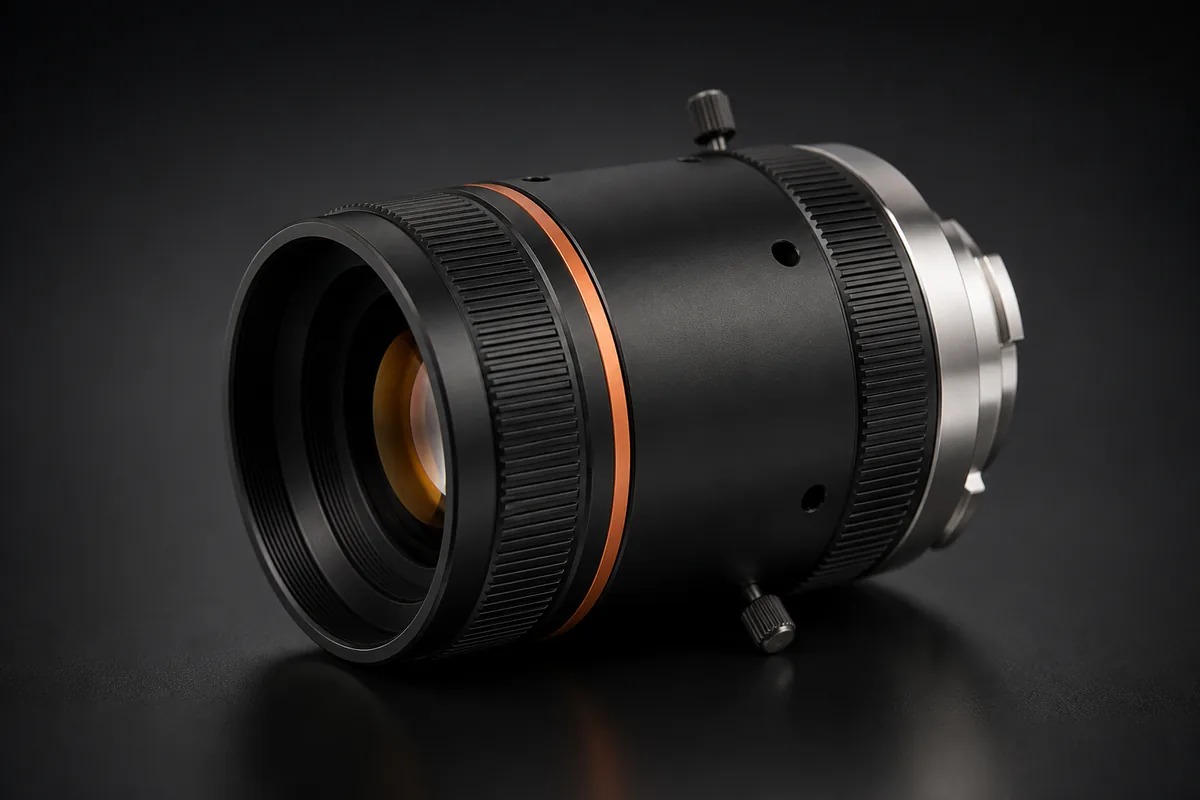
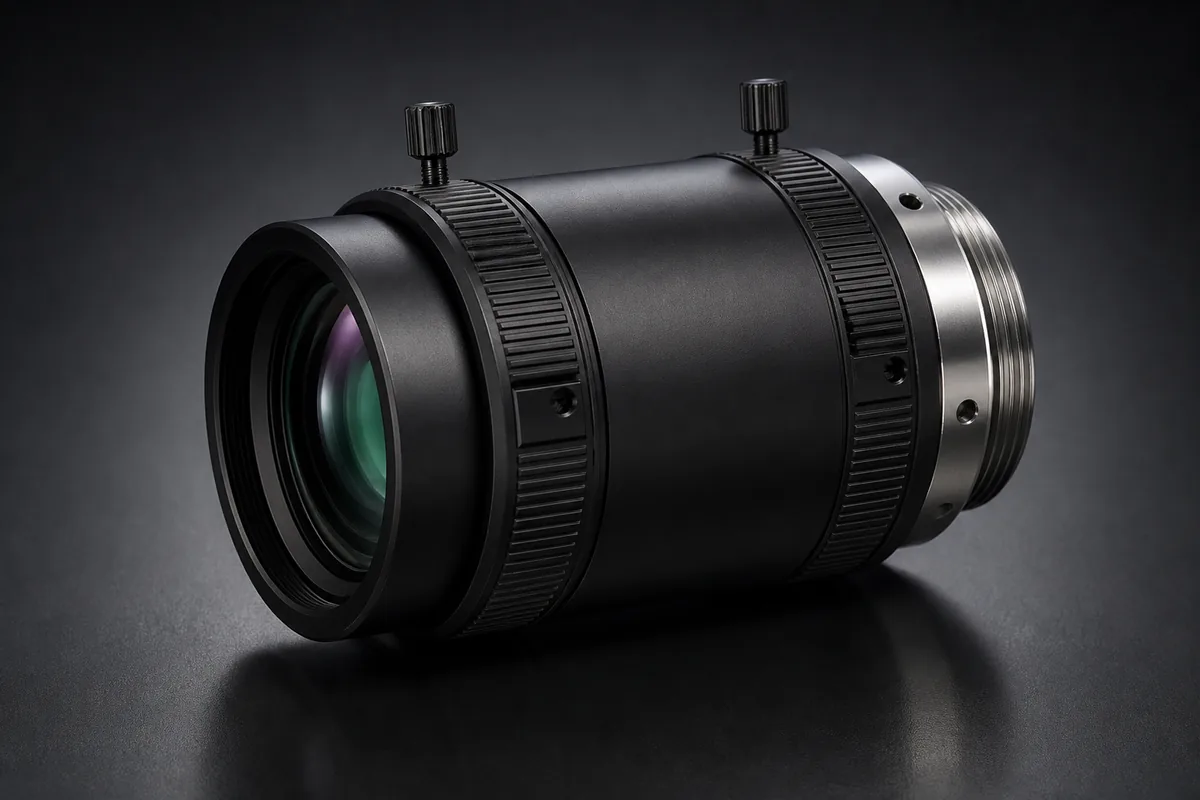
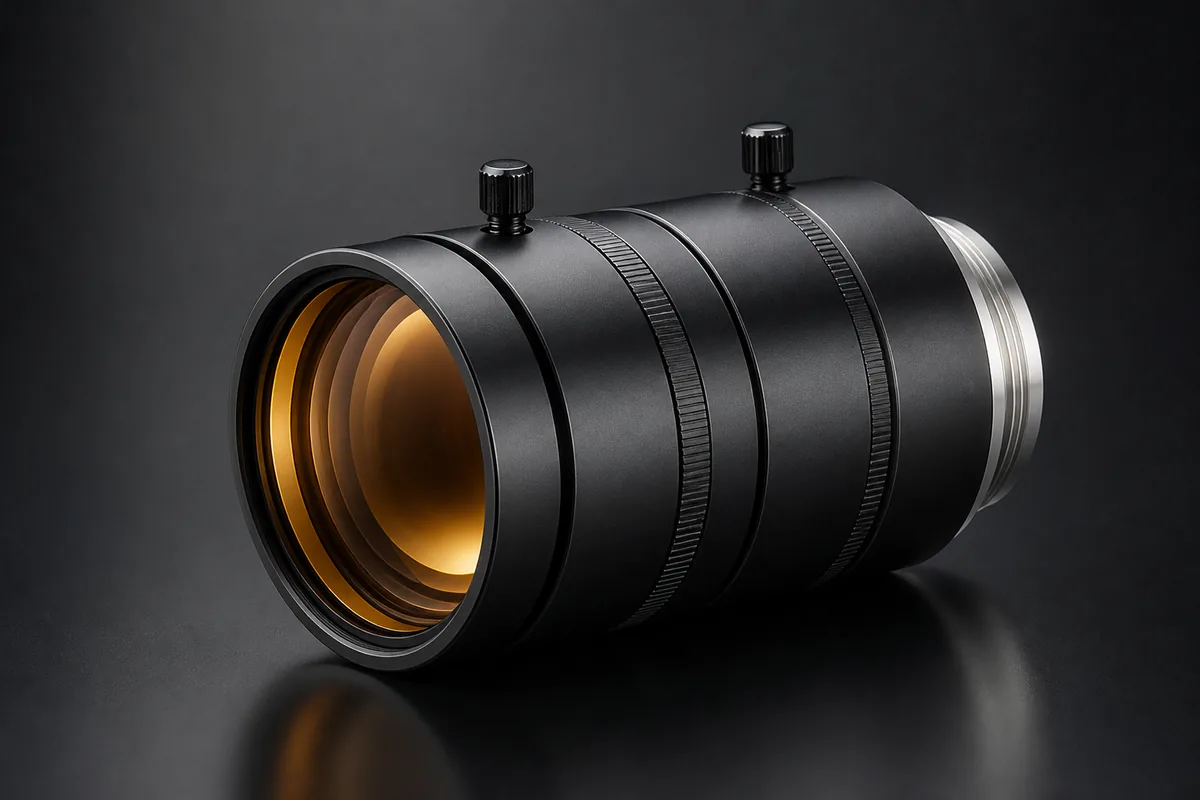
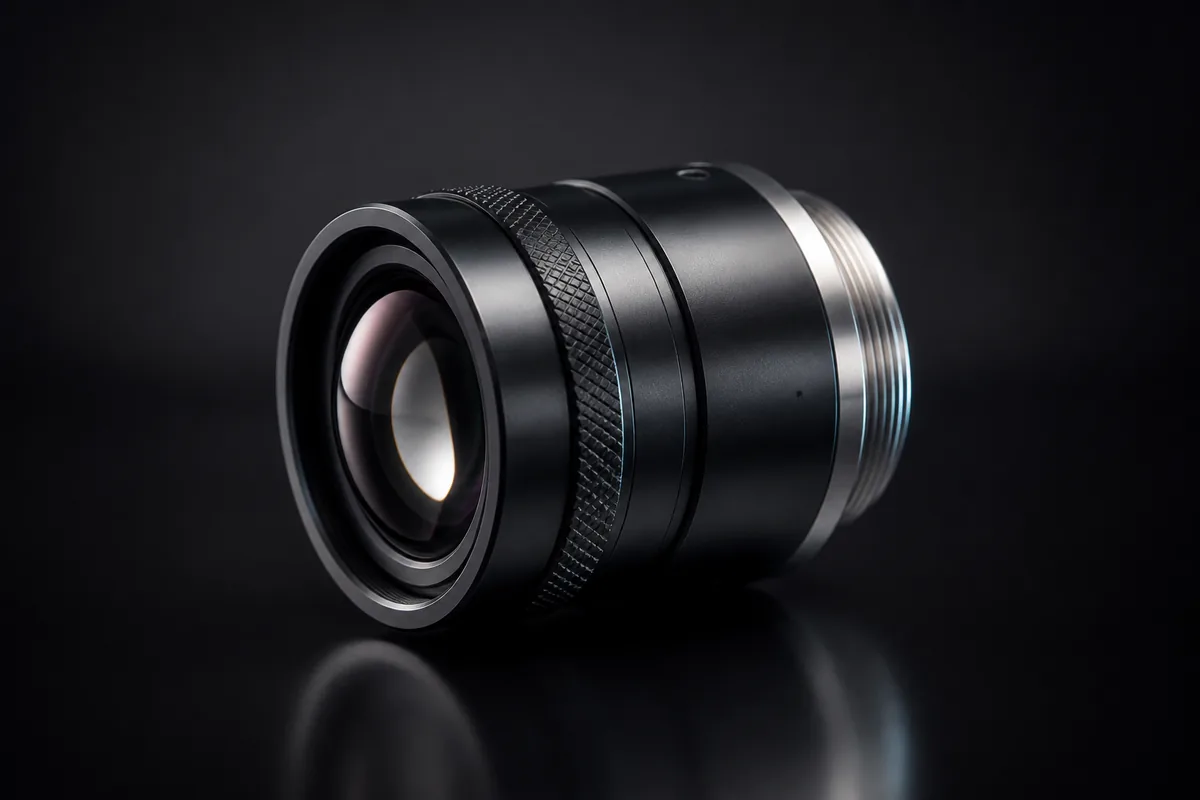
Individual models
| Model | Focal length | Aperture | Image circle | Mount |
|---|---|---|---|---|
| MVL-KF1628M-12MPFA lens | 16 mm | F2.8 to F16 | Ø 17.6 mm | C-mount |
| MVL-KF5024M-25MPFA lens | 50 mm | F2.4 to F16 | Ø19.3 mm | C-mount |
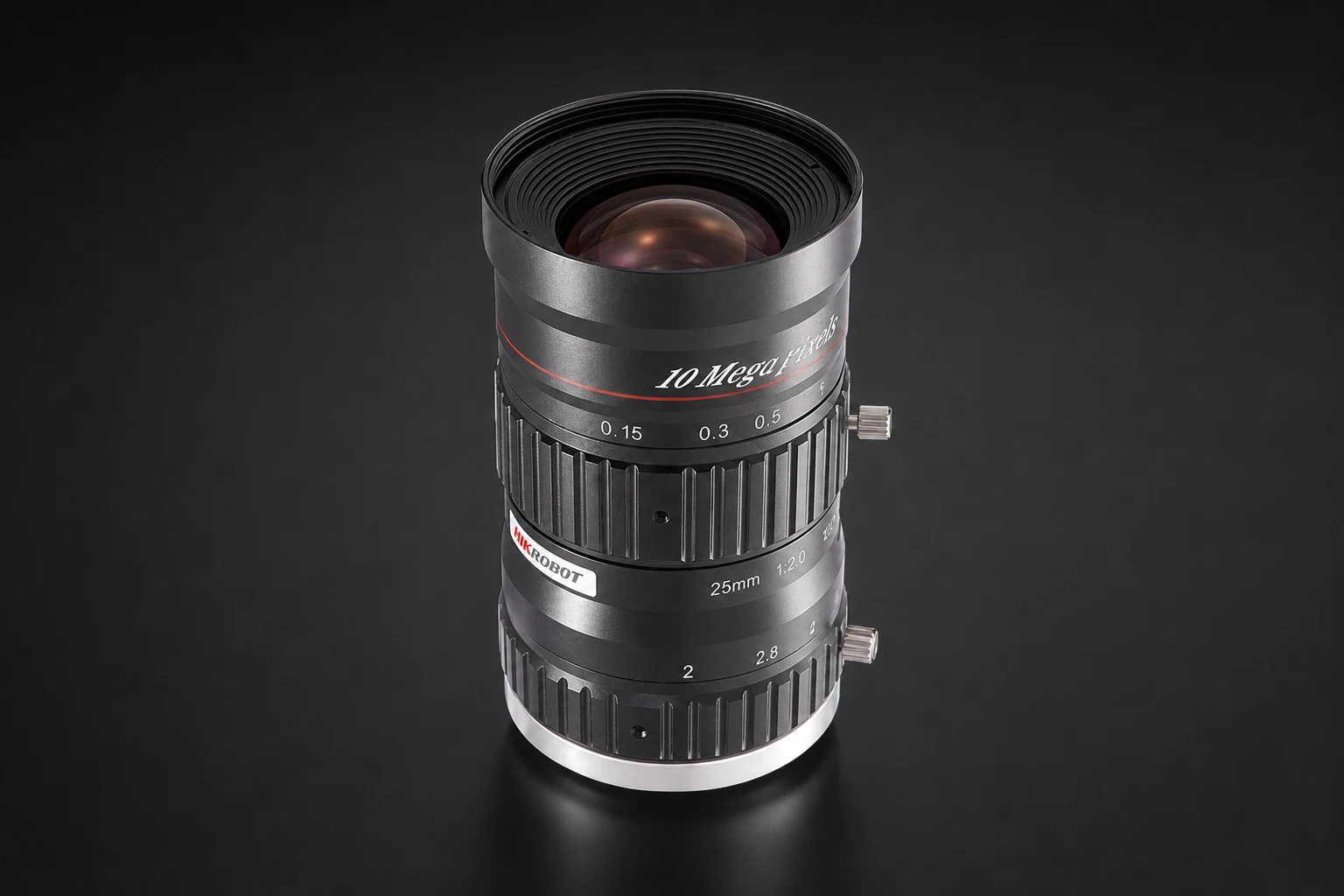
| SA2520M-10MPFA lens | 25 mm | F2.0 to F22 | Φ23 mm | C-mount |
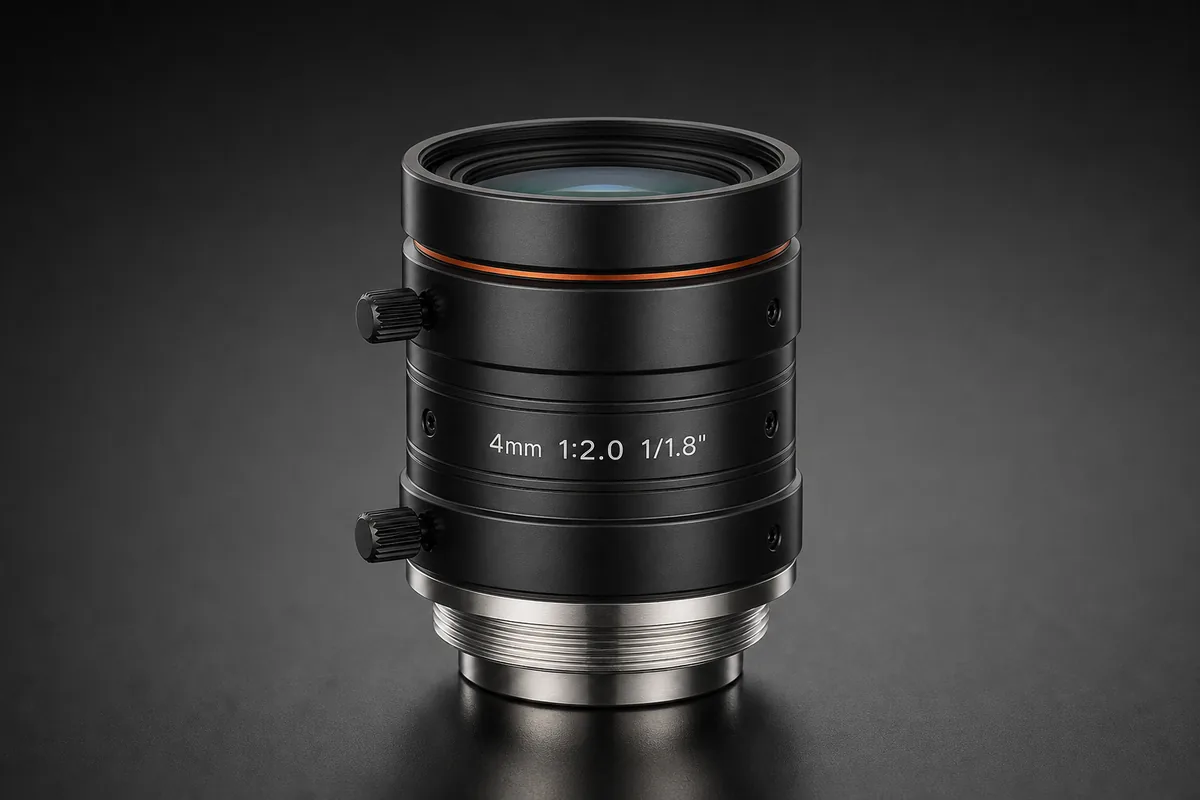
| HF0420MFA lens | 4 mm | F2.0 to C | 9 mm | C-Mount |
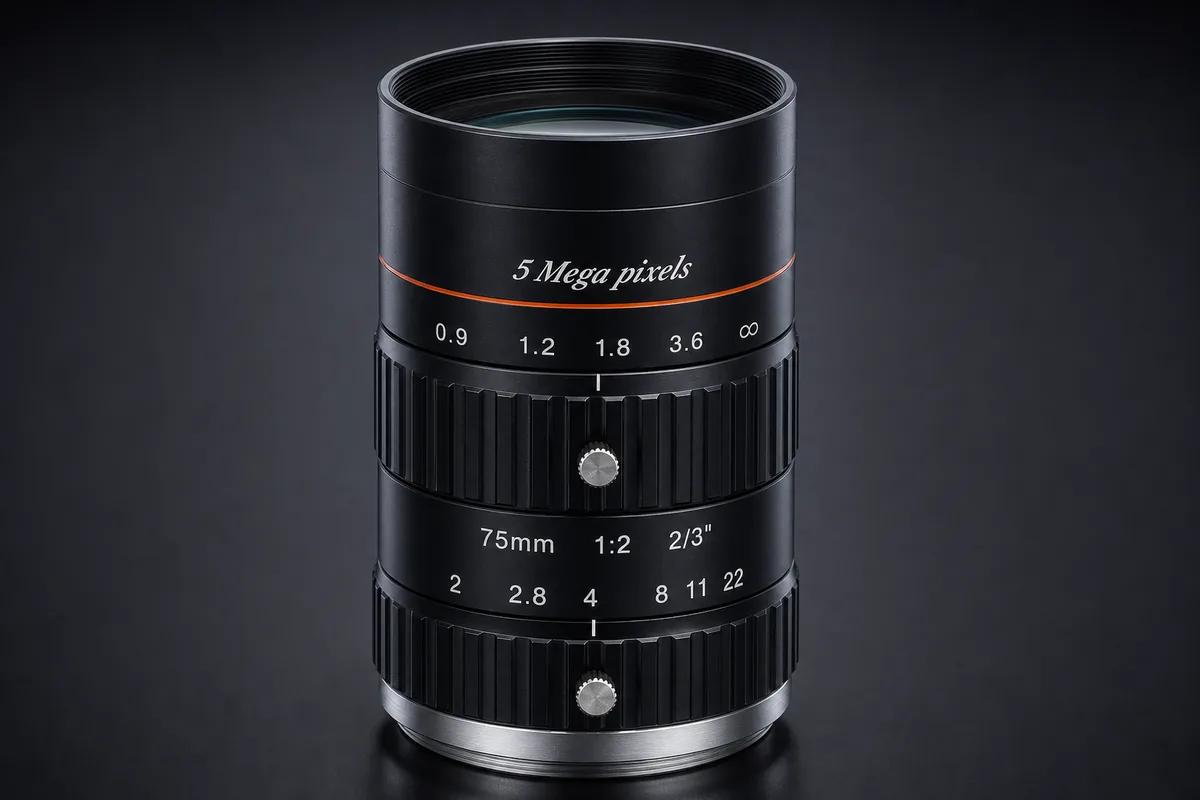
| MA7520M-5MPFA lens | 75 mm | F2.0 to F22 | Φ11 mm | C-mount |
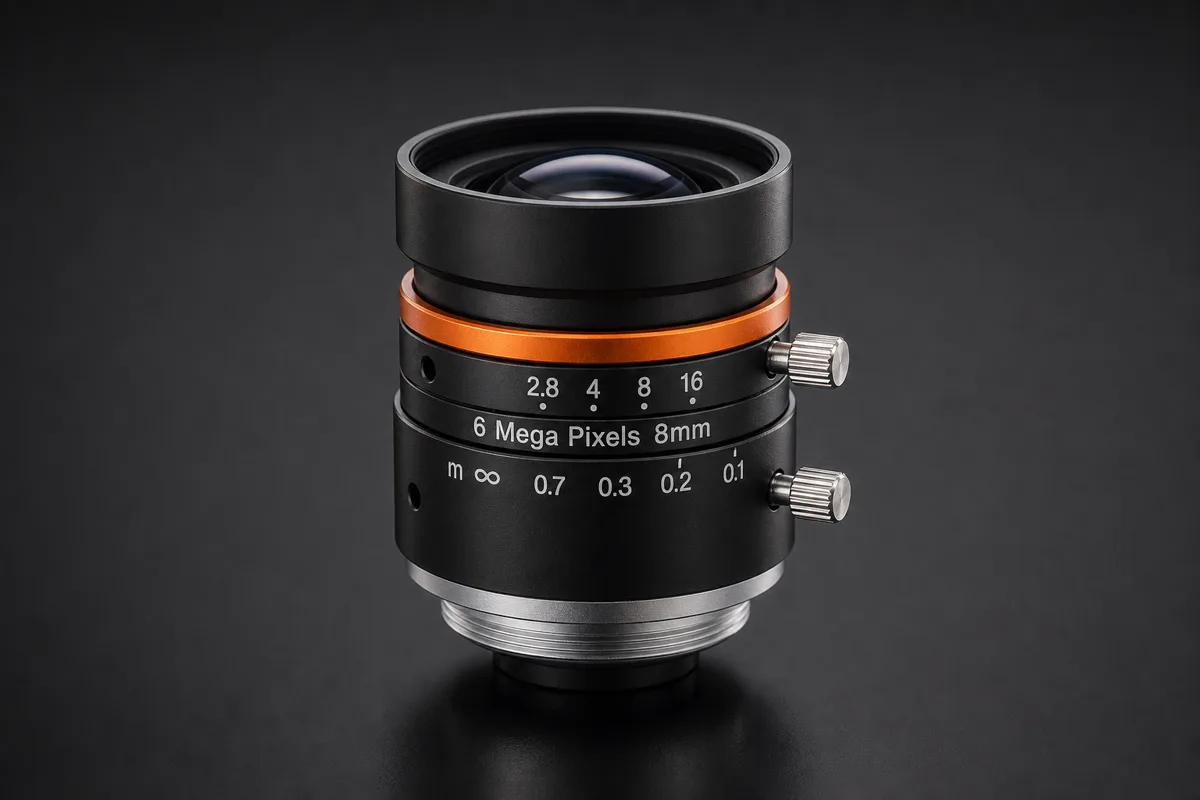
| MVL-HF0828M-6MPEFA lens | 8 mm | F2.8 to F16 | Ø 9 mm | C-mount |
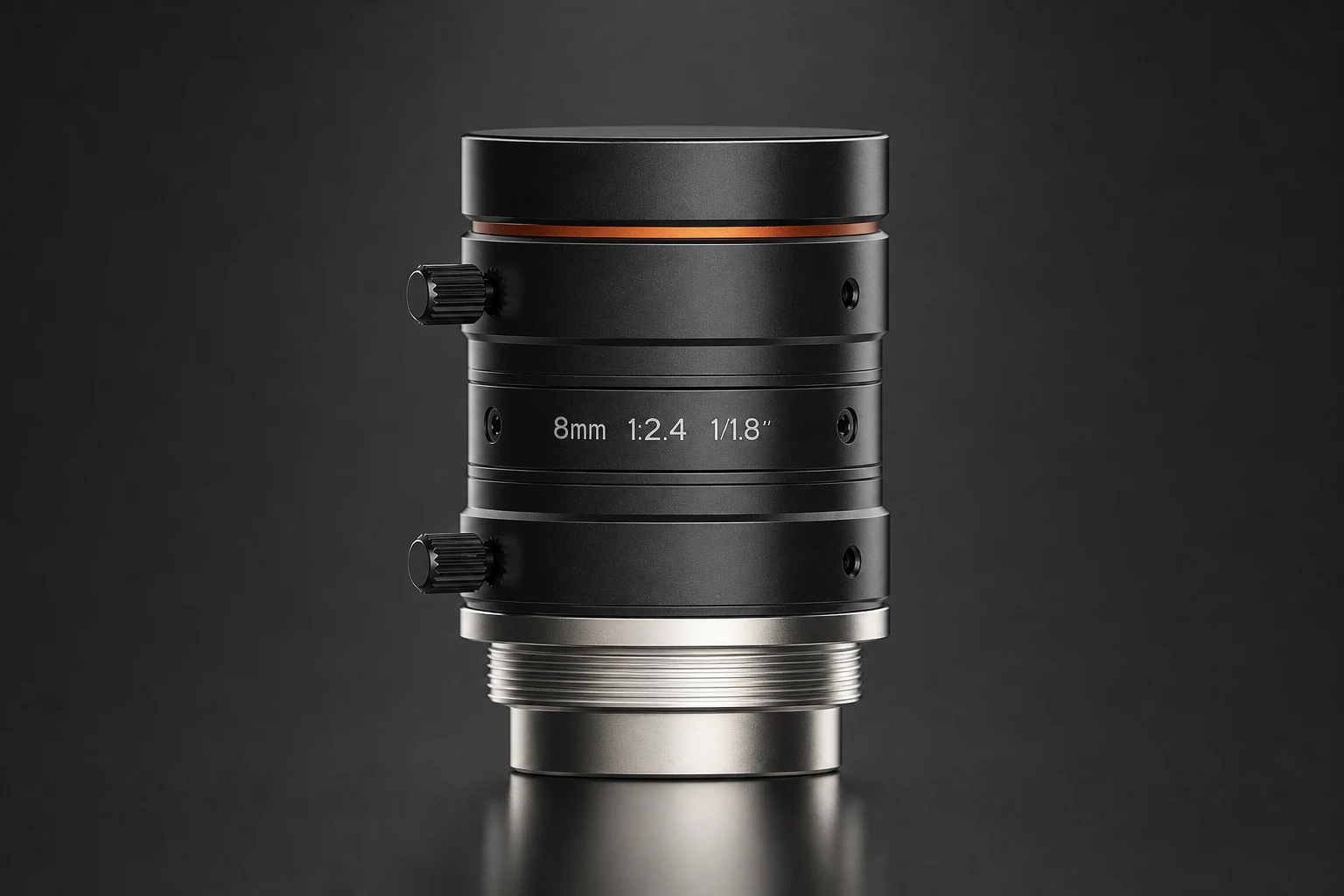
| MVL-HF0824M-10MPFA lens | 8 mm | F2.4 to F16 | Ø9 mm | C-mount |
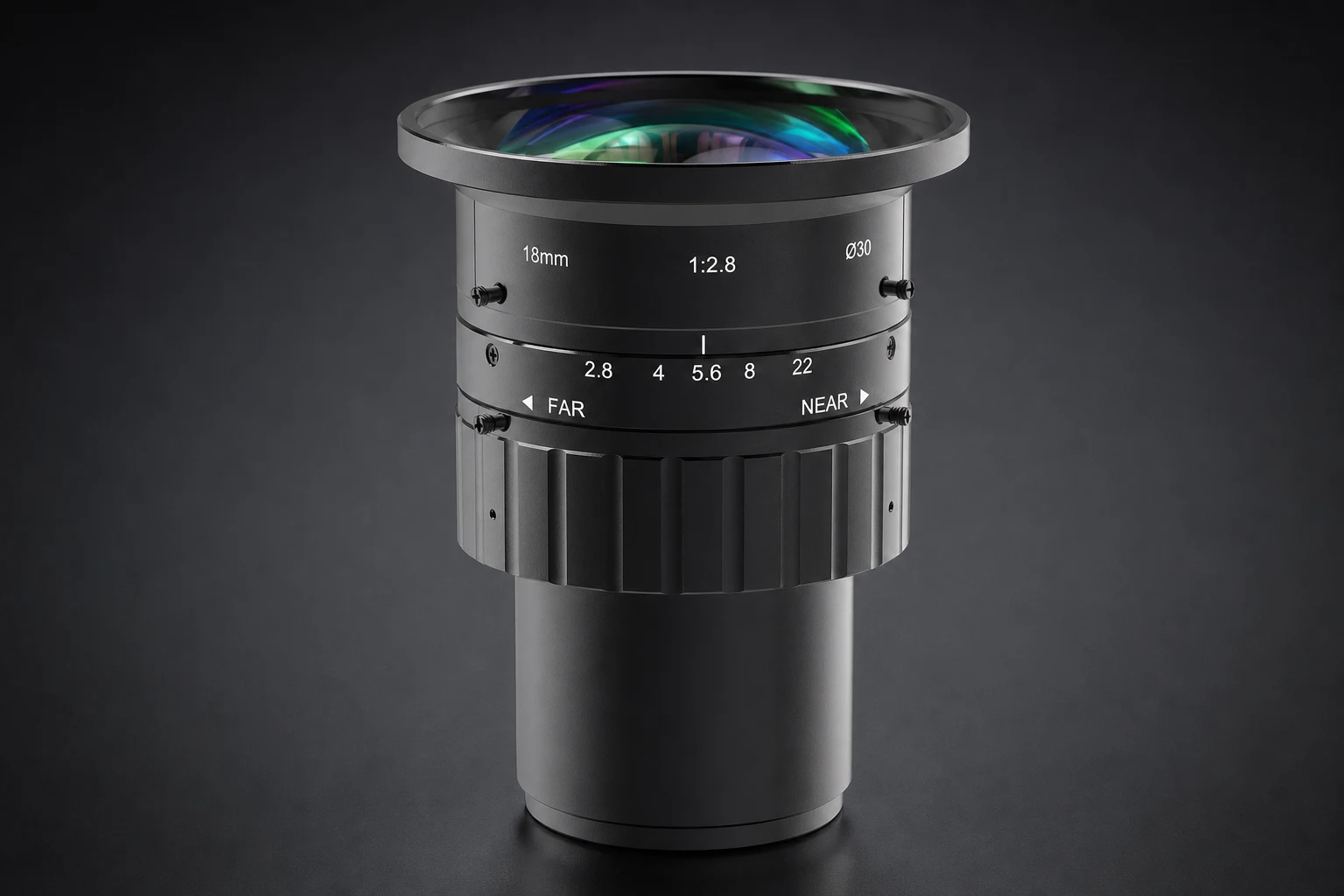
| MVL-AF1828M-M42BFA lens | 18 mm | F2.8 to F22 | Φ30 mm | M42 × P1 |
| MVL-KF2528M-12MPFA lens | 25 mm | F2.8 to F16 | Ø 17.6 mm | C-mount |
| MVL-KF0814M-12MPEFA lens | 8 mm | F1.4 to F16 | Ø 17.6 mm | C-mount |
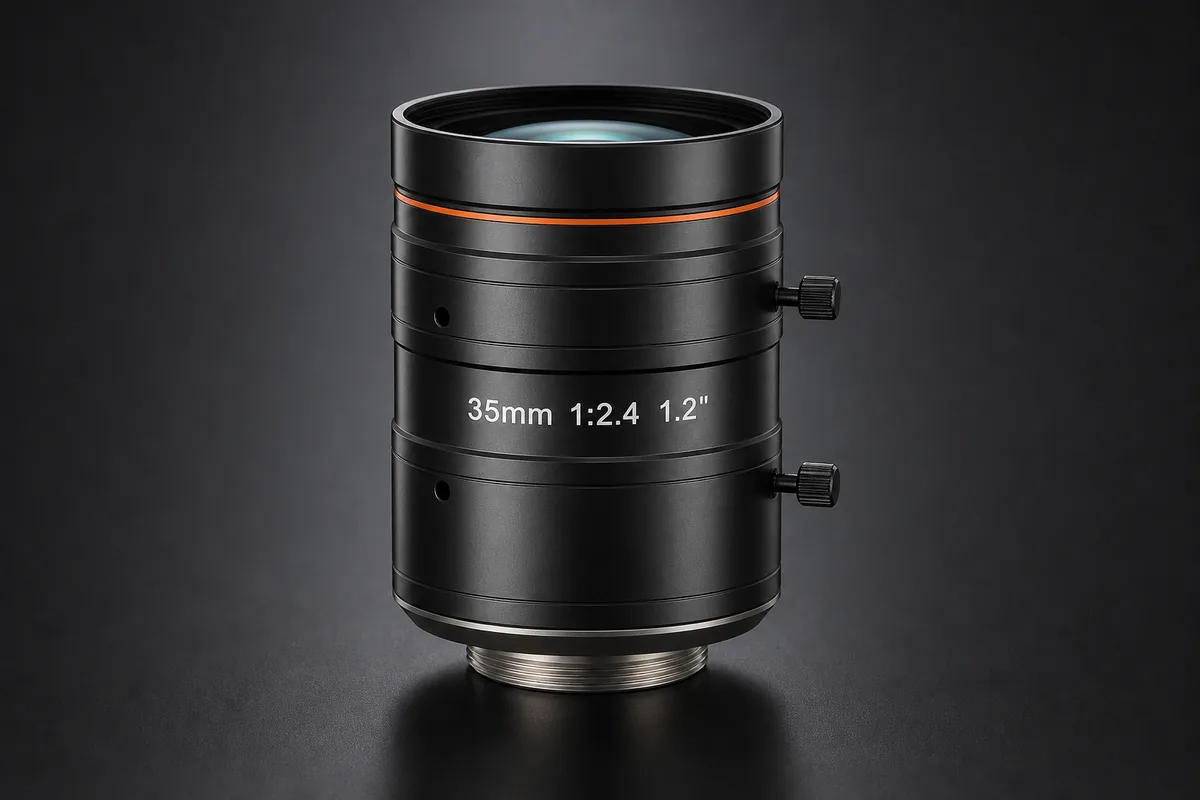
| MVL-KF3524M-25MPFA lens | 35 mm | F2.4 to F16 | Ø19.3 mm | C-mount |
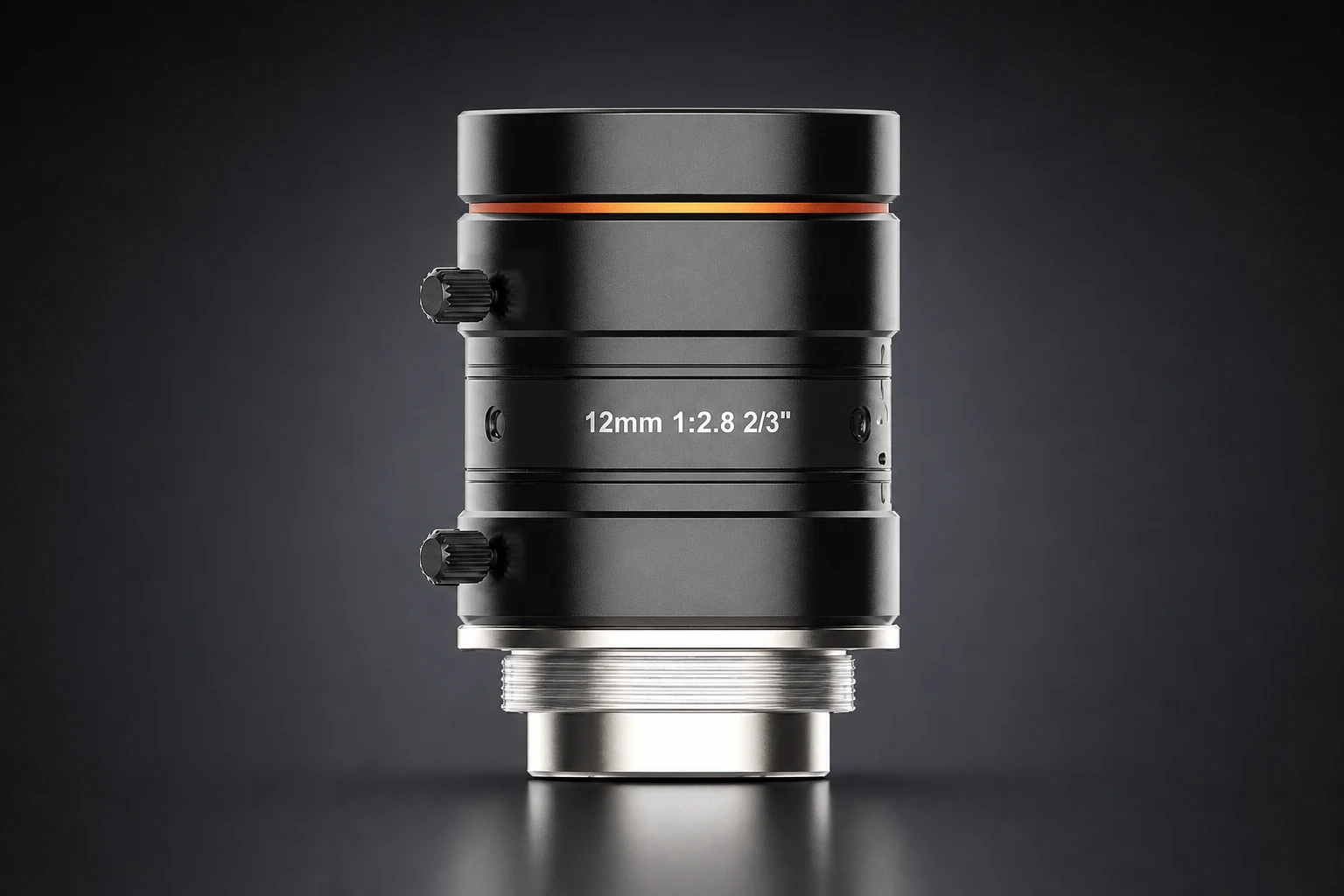
| MVL-MF1228M-10MPEFA lens | 12 mm | F2.8 to F16 | Φ11.2 mm | C-mount |
| MVL-MF0824M-5MPEFA lens | 8 mm | F2.4 to F16 | Ø 11 mm | C-mount |
| MVL-MF1228M-8MPLens | 12 mm | F2.8 to F16 | Ø11 mm | C-mount |
| MVL-HF0628M-6MPEFA lens | 6 mm | F2.8 to F16 | Ø 9 mm | C-mount |
| MVL-HF1228M-6MPEFA lens | 12 mm | F2.8 to F16 | Ø 9 mm | C-mount |
| MVL-HF1628M-6MPEFA lens | 16 mm | F2.8 to F16 | Ø 9 mm | C-mount |
| MVL-HF2528M-6MPEFA lens | 25 mm | F2.8 to F16 | Ø9 mm | C-mount |
| MVL-KF0818M-12MPFA lens | 8 mm | F1.8 to F11 | Φ16 mm | C-mount |
| MVL-KF1228M-12MPFA lens | 12 mm | F2.8 to F16 | Ø 17.6 mm | C-mount |
| MVL-KF3528M-12MPFA lens | 35 mm | F2.8 to F16 | Ø 17.6 mm | C-mount |
| MVL-KF5028M-12MPFA lens | 50 mm | — | Ø 17.6 mm | C-mount |
| MVL-LF2540M-M58-65MPFA lens | 25 mm | F4.0 to F22 | Ø46 mm | M58 × P0.75 |
| MVL-LF3540M-M58-65MPFA lens | 35 mm | F4.0 to F22 | Ø42 mm | M58 × P0.75 |
| MVL-LF5036M-M58-65MPFA lens | 50 mm | F3.6 to F22 | Ø46 mm | M58 × P0.75 |
| MVL-LF8040M-021V-M72FA lens | 80 mm | F4 to F22 | Ø60 mm | M72 × P0.75 |
| MVL-LF6040M-013-M72FA lens | 60 mm | F4.0 to F22 | Ø58 mm | M72 × P0.75 |
| MVL-LF12040M-033V-M90FA lens | 120 mm | F4.0 to F16 | Φ82 mm | M90 × P1 |
| MVL-LF11638M-0625V-M90FA lens | 116 mm | F3.8 to F16 | Φ82 mm | M90 × P1 |
| MVL-HF3028M-6MPEFA lens | 30 mm | F2.8 to F16 | Ø 9 mm | C-mount |
| MVL-KF1628M-12MPEFA lens | 16 mm | F2.8 to F16 | Ø 17.6 mm | C-mount |
| MVL-MF2528M-10MPEFA lens | 25 mm | F2.8 to F16 | Φ11.2 mm | C-mount |
| MVL-MZ0645A-05Lens | — | — | — | — |
From camera format to object detail
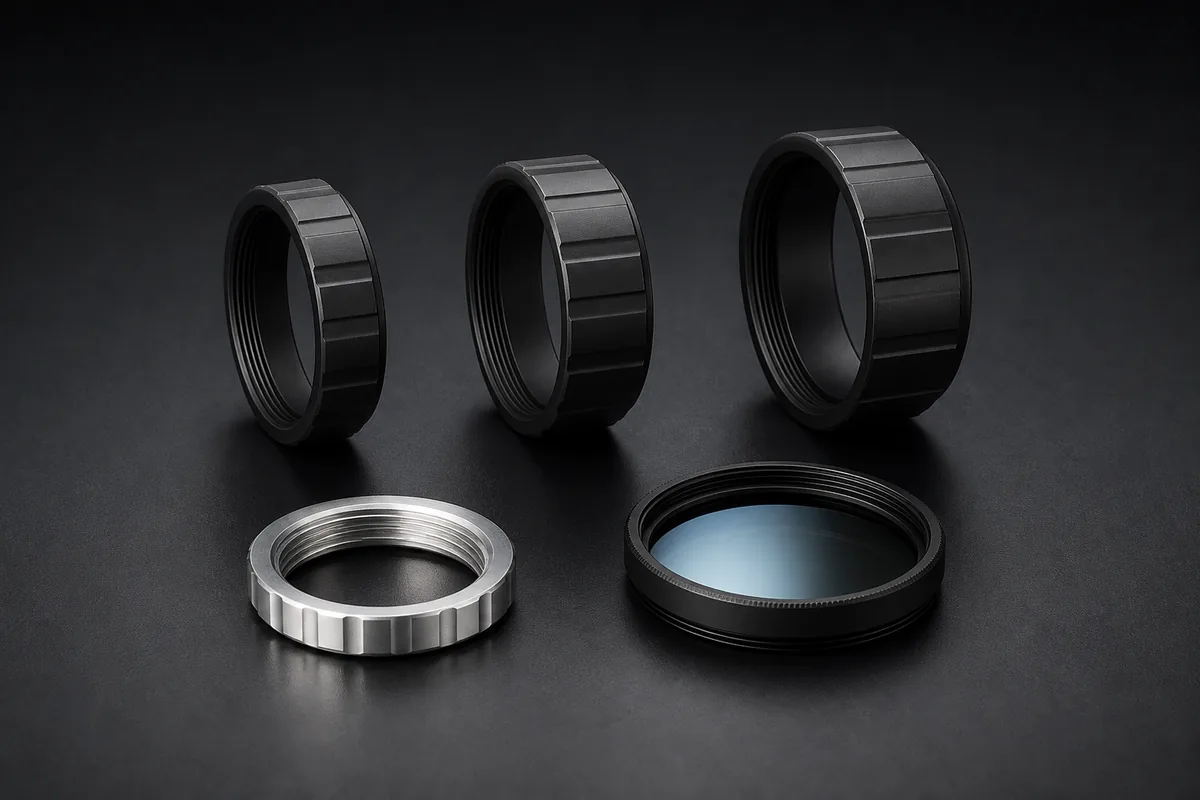
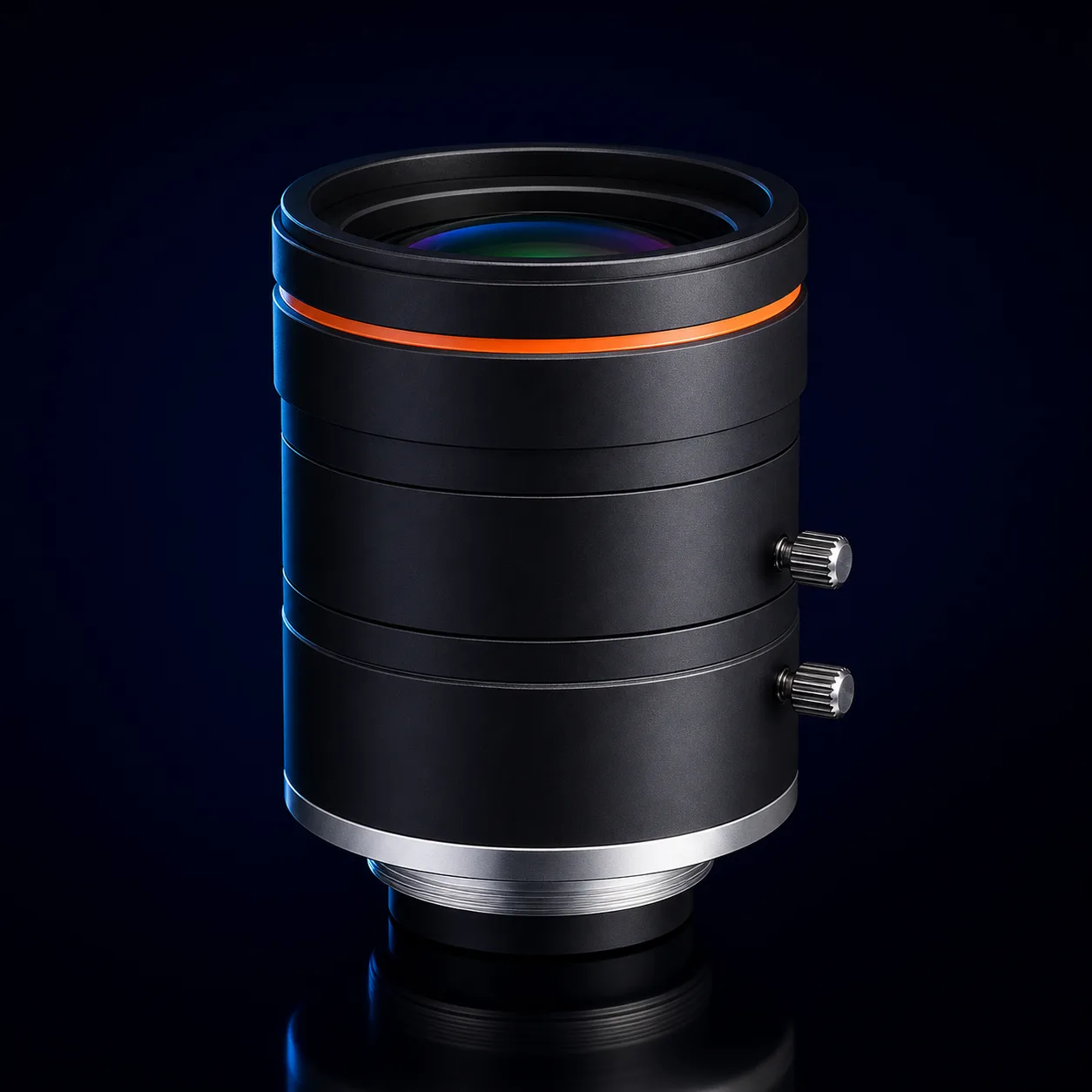
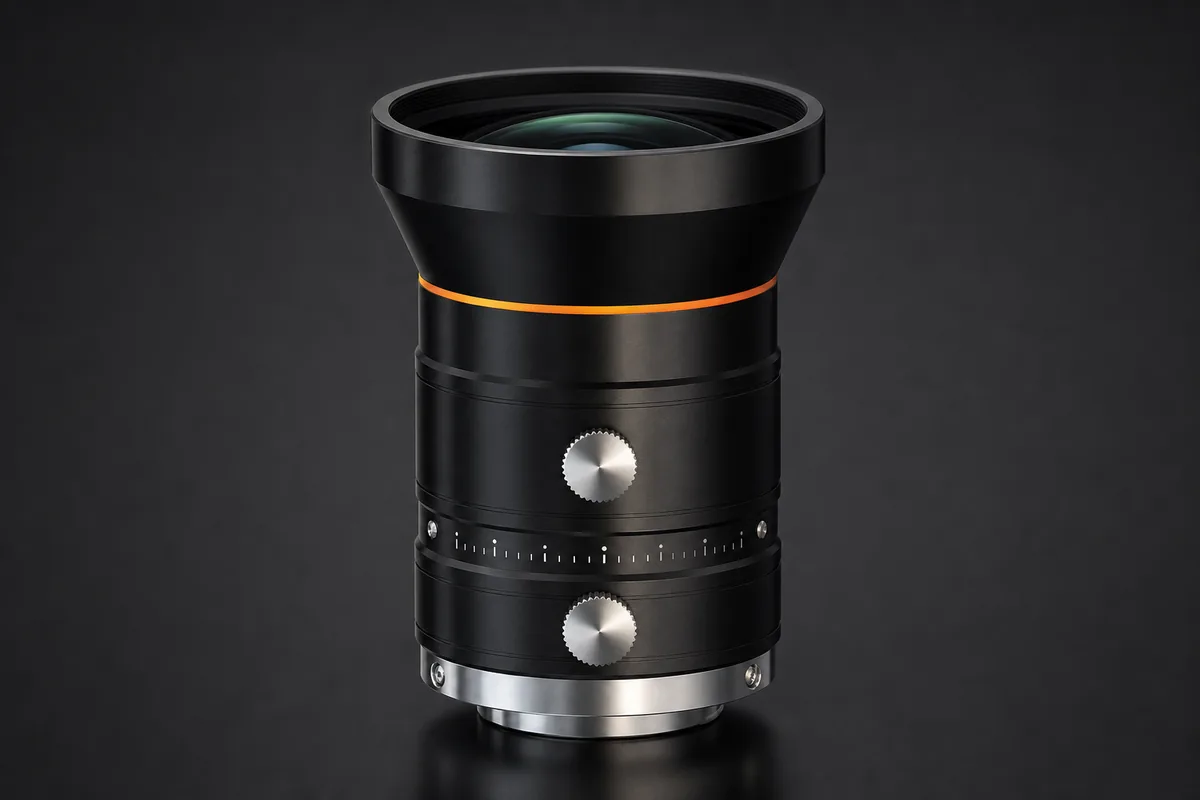
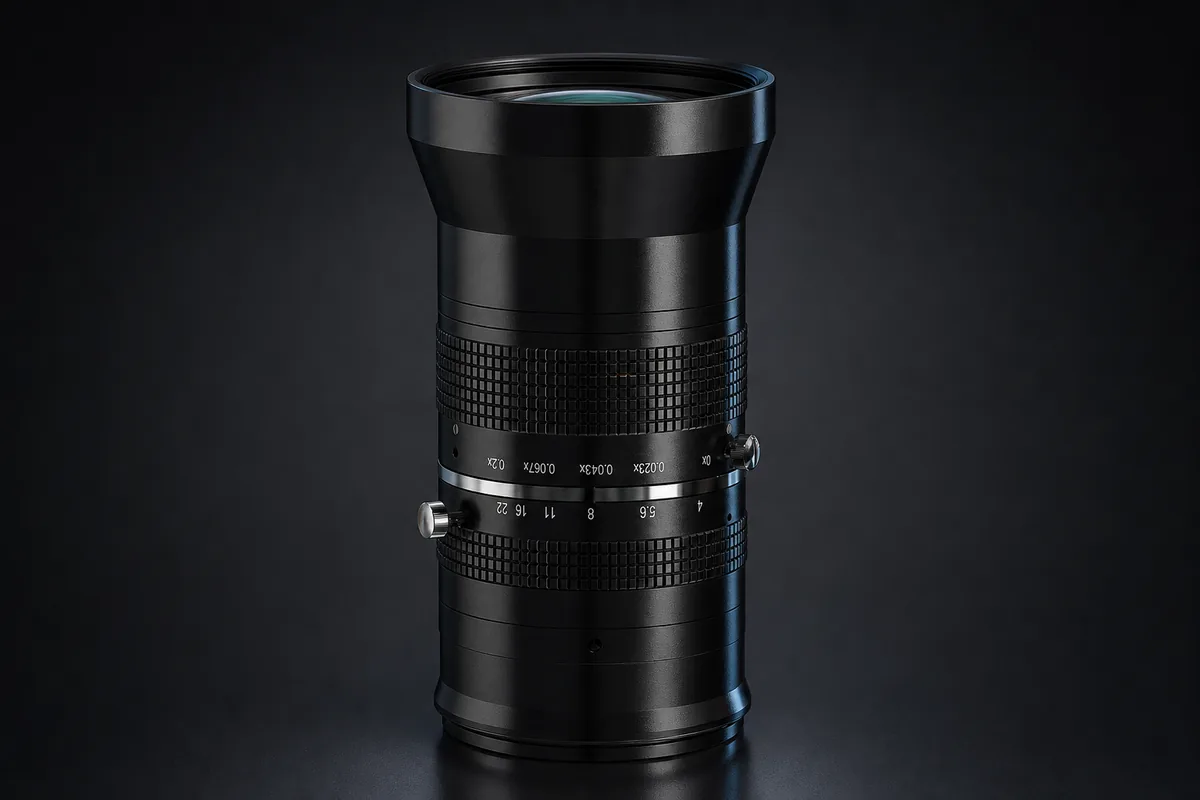
Machine vision optics in this category span fixed focal length, macro, line scan, SWIR, telecentric, bi-telecentric, and special-purpose lenses. Compact S-mount optics, large-format M72 and F-mount types, APS-C lenses with M42 mount, liquid lenses for CT MAX cameras, and adapters, rings, and polarizers are also represented. Sensor-oriented groups run from 1/1.8″ through 4/3″, with further APS-C and large-format families.
Selection starts with camera sensor size, required field of view, available working distance, and object-space resolution. Focal length, sensor size, and working distance establish the viewed area, while pixel size and magnification determine object-space sampling. The lens image circle must cover the sensor. Mount type is a separate mechanical check and does not by itself establish optical coverage.
Use the range structure to choose the optical class before narrowing focal length. Fixed focal length groups are divided by sensor format and resolution class; macro and telecentric types address different magnification behaviour; line scan, SWIR, and large-image-circle families serve their named imaging arrangements. The documented HF 10 MP C-mount subset, for example, covers 6, 8, 12, 16, 25, 35, and 50 mm focal lengths.
Complete the choice with image-quality and setup checks rather than a megapixel label alone. Distortion, relative illumination, contrast and MTF, aperture, and depth of field all affect the usable result. A fixed focal length lens can still be focused over a working-distance range; it is not the same optical type as a fixed-magnification or telecentric lens.
FAQ
Why must sensor coverage be checked separately from the lens mount?
A matching mount establishes a mechanical connection, not image-circle coverage. The lens image circle must cover the camera sensor to avoid an optical mismatch. For example, MVL-HF1624M-10MP is C-mount but has a documented Ø9 mm, 1/1.8″ image size.
Which inputs determine focal length for a machine vision station?
Establish the camera sensor size, horizontal and vertical field of view, and available working distance. Those quantities govern focal-length choice. Then check focus range and mechanical clearance rather than choosing a focal length from sensor format alone.
How should object-space resolution be assessed before choosing a lens?
Pixel size and magnification determine object-space sampling, but sampling is only part of the check. Required feature resolution should also be evaluated against lens contrast and MTF. A 5 MP, 10 MP, 12 MP, or 25 MP designation does not by itself establish resolved object detail.
When is a fixed focal length lens different from a telecentric type?
A fixed focal length lens remains focusable over a working-distance range. It is not a fixed-magnification lens and is not automatically telecentric. Choose the optical class from the measurement geometry first, then determine focal length or magnification within that class.
What secondary optical checks belong after format and focal length?
Review distortion, relative illumination, contrast and MTF, aperture, and depth of field for the application. MVL-HF1624M-10MP, for example, lists F2.4–F16, –0.02% TV distortion, and a 0.1 m minimum object distance, illustrating why a format label is not the whole choice.
Lens selection starts with the camera sensor, required field of view, working distance, and object-space resolution. A machine vision lens must cover the sensor image circle; mount type alone does not establish optical compatibility. This guide uses the MVL-HF1624M-10MP 16 mm fixed focal length lens as the documented core example. It is one member of the HF 10 MP C-mount subset, which covers 6, 8, 12, 16, 25, 35, and 50 mm focal lengths.
Start with geometry and sampling
Focal length, sensor size, and working distance determine field of view. Pixel size and magnification determine object-space sampling. At minimum, establish working distance, field of view, and required resolution before selecting an FA lens.
Sensor format and mount are separate checks
The local category spans 1/1.8-inch, 2/3-inch, 1/1.1-inch, 1.2-inch, 4/3-inch, APS-C, and larger formats. Documented mount families include C-mount, S-mount/M12, M42, M58, M72, M90, and F-mount. The image circle must cover the selected camera sensor.
Fixed focal length does not mean fixed magnification
Fixed focal length lens, prime lens, FA lens, and machine vision lens overlap in industry usage. A fixed focal length lens remains focusable over a working-distance range and is not the same optical type as a fixed-magnification or telecentric lens.
MVL-HF1624M-10MP documented specifications
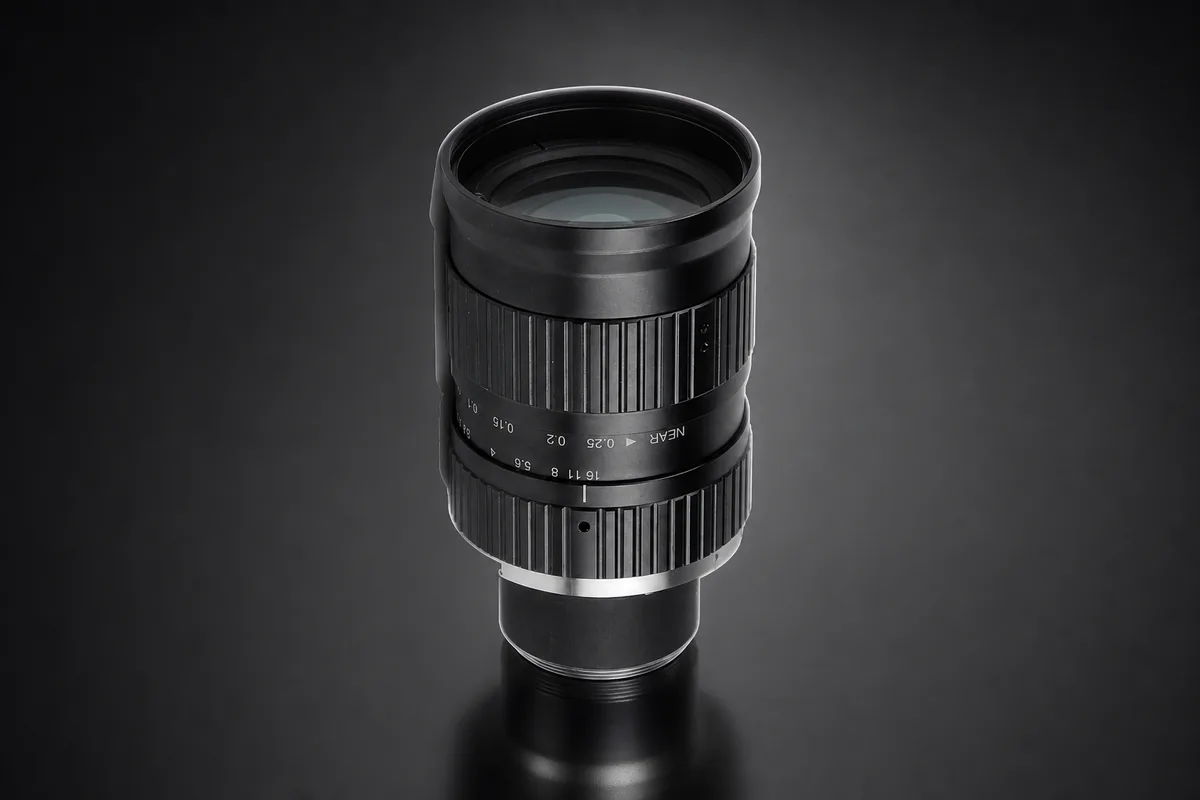
MVL-HF1624M-10MP, PN 310100682, is a 16 mm C-mount industrial lens with an F2.4–F16 aperture range and Ø9 mm, 1/1.8-inch image size. The record lists –0.02% TV distortion, 0.1 m minimum object distance, manual iris and focus, an M27 × 0.5 filter thread, and 70.2 g mass.
Checks beyond the base specification
Distortion, relative illumination, contrast and MTF, aperture, and depth of field require separate evaluation for the application. A megapixel designation does not replace an object-space sampling and contrast check.
FAQ
Does the lens image circle cover the camera sensor format without vignetting?
The lens image circle must cover the camera sensor. MVL-HF1624M-10MP has a documented Ø9 mm, 1/1.8-inch image size, so that value must be checked against the selected camera sensor format rather than assuming compatibility from C-mount alone.
What focal length gives the required horizontal and vertical field of view at the available working distance?
Focal length, camera sensor size, and working distance determine field of view. Establish both field-of-view dimensions and the available working distance before choosing among the documented 6, 8, 12, 16, 25, 35, and 50 mm HF 10 MP options.
Can the lens resolve the required object-space feature at the camera pixel size, rather than merely matching a megapixel label?
Pixel size and magnification determine object-space sampling. Required resolution is a minimum selection input, while contrast and MTF still require separate evaluation; a megapixel designation alone does not establish resolved object detail.