Frame grabbers Hikrobot
Frame grabbers and NICs for machine vision cameras: GigE, 2.5 and 10 GigE, USB 3.0, Camera Link and CoaXPress — frame-loss-free acquisition and line synchronisation.
| Model | camera interface | interconnect | delivery bandwidth | Power |
|---|---|---|---|---|
| MV-GE1004Frame grabber | RJ45 × 4 | PCI-E gen2 × 4 | 1720 MB/s | 10 W |
| MV-GE1104Frame grabber | RJ45 × 4 | PCI-E gen2 × 4 | 860 MB/s | 10 W typ. |
| MV-GE1104PFrame grabber | RJ45 × 4 | PCI-E gen2 × 2 | 860 MB/s | 4.7 W typ. |
| MV-GE2002 V2.0Frame grabber | RJ45 × 2 | PCI-E gen2 × 4… | 860 MB/s | 4.3 W |
| MV-GE2004 V2.0Frame grabber | RJ45 × 4 | PCI-E gen2 × 4… | 860 MB/s | 5.5 W |
| MV-GE2002P V2.0Frame grabber | RJ45 × 2 | PCI-E gen2 × 4… | 860 MB/s | 7.5 W |
| MV-GE2004P V2.0Frame grabber | RJ45 × 4 | PCI-E gen2 × 4… | 860 MB/s | 9 W |
| MV-GE2202Frame grabber | RJ45 × 2 | PCI-E gen2 × 4… | 860 MB/s | 2 W |
| MV-GE2204Frame grabber | RJ45 × 4 | PCI-E gen2 × 4… | 860 MB/s | 3 W |
| MV-GE2202PFrame grabber | RJ45 × 2 | PCI-E gen2 × 4… | 860 MB/s | 2 W |
| MV-GE2204PFrame grabber | RJ45 × 4 | PCI-E gen2 × 4… | 860 MB/s | 3 W |
| MV-GE2004L V2.0Frame grabber | RJ45 ×4 | PCI-E gen2 × 4… | 860 MB/s | 5.5 W typ. |
| MV-GE2002L V2.0Frame grabber | RJ45 × 2 | PCI-E gen2 × 4… | 860 MB/s | 4.3 W typ. |
| MV-GE2202LFrame grabber | RJ45 × 2 | PCI-E gen2 × 4 | 860 MB/s | 2 W |
| MV-GU2104Frame grabber | USB3.0 type-A | PCI-E gen2 × 4 | 1720 MB/s | 6 W typical without USB power supply; 24 W typical with USB power supply |
| MV-GU2204Frame grabber | USB3.0 type-A | PCI-E gen2 × 4 | 1720 MB/s | 5.5 W without USB power supply; 23.5 W with USB power supply |
| MV-GU2204LFrame grabber | USB3.0 type-A | PCI-E gen2 × 4 | 1720 MB/s | 5.5 W without USB power supply; 23.5 W with USB power supply |
| MV-GT1004Frame grabber | RJ45 × 4 | PCI-E gen2 × 8 | 3900 MB/s | 24 W |
| MV-GT1002Frame grabber | RJ45 × 2 | PCI-E gen2 × 8 | 3900 MB/s | 19.2 W |
| MV-GT1102PFrame grabber | RJ45 × 2, supports POE | PCI-E gen3 × 4 | — | 21.1 W |
| MV-GT1104PFrame grabber | RJ45 × 4, supports POE | PCI-E gen3 × 8 | 7000 MB/s | 28.5 W |
| MV-GT2002Frame grabber | RJ45 × 2 | PCI-E gen3 × 4 | 31.5 Gbps | 12 W typ. |
| MV-GT2001Frame grabber | RJ45 × 1 | PCI-E gen3 × 4 | 31.5 Gbps | 7 W typ. |
| MV-GS1004Frame grabber | SFP × 4 | PCI-E gen2 × 8 | 3900 MB/s | 20 W |
| MV-GC1102IOLFrame grabber | SDR × 2 | PCI-E gen2 × 4 | 1720 MB/s | 10 W |
| MV-GC1002-V2Frame grabber | SDR × 2 | PCI-E gen2 × 4 | 1720 MB/s | 7 W |
| MV-GS1002F V3.0Frame grabber | SFP+ ×2 | PCI-E gen3 × 4 | 4000 MB/s | 9.8 W |
| MV-GS1004F V3.0Frame grabber | SFP+ ×4 | PCI-E gen3 × 4 | 4000 MB/s | 12.8 W |
| MV-GS1104FFrame grabber | SFP+ ×4 | PCI-E gen3 × 8 | 7800 MB/s | 20 W |
| MV-GX1004Frame grabber | DIN 1.0/2.3 × 4 | PCI-E gen2 × 8 | 3900 MB/s | 14.4 W typ. |
| MV-GX1002Frame grabber | DIN 1.0/2.3 × 2 | PCI-E gen2 × 8 | 3900 MB/s | 13.7 W typ. |
| MV-GX1102Frame grabber | DIN 1.0/2.3 × 2 | PCI-E gen3 × 4 | 3400 MB/s | 8.8 W typ. |
| MV-GX1104Frame grabber | DIN 1.0/2.3 × 4 | PCI-E gen3 × 4 | 3400 MB/s | 11.1 W typ. |
| MV-GX1008Frame grabber | DIN 1.0/2.3 × 8 | PCI-E gen3 × 8 | 7800 MB/s | 13.1 W typ. |
| MV-GY1002 V2.0Frame grabber | HD-BNC × 2 | PCI-E gen3 × 8 | 7800 MB/s | 15.7 W typ. |
| MV-GY1004 V2.0Frame grabber | HD-BNC × 4 | PCI-E gen3 × 8 | 7800 MB/s | 16.8 W typ. |
| MV-GQ1001Frame grabber | 1×QSFP28 | PCI-E gen3 × 8 | 7800 MB/s | 18.5 W typ. |
| MV-GE4002Frame grabber | RJ45 × 2 | PCI-E gen2 × 4 | 2000 MB/s | 4 W |
| MV-GE4004Frame grabber | RJ45 × 4 | PCI-E gen2 × 4 | 2000 MB/s | 6.3 W |
| MV-GE4002PFrame grabber | RJ45 × 2 | PCI-E gen2 × 4 | 2000 MB/s | 4 W without PoE |
| MV-GE4004PFrame grabber | RJ45 × 4 | PCI-E gen2 × 4 | 2000 MB/s | 6.1 W without PoE |
| MV-GT2102Frame grabber | RJ45 × 2 | PCI-E gen3 × 4 | 4000 MB/s | — |
| MV-GT2102PFrame grabber | RJ45 × 2 | PCI-E gen3 × 4 | 4000 MB/s | — |
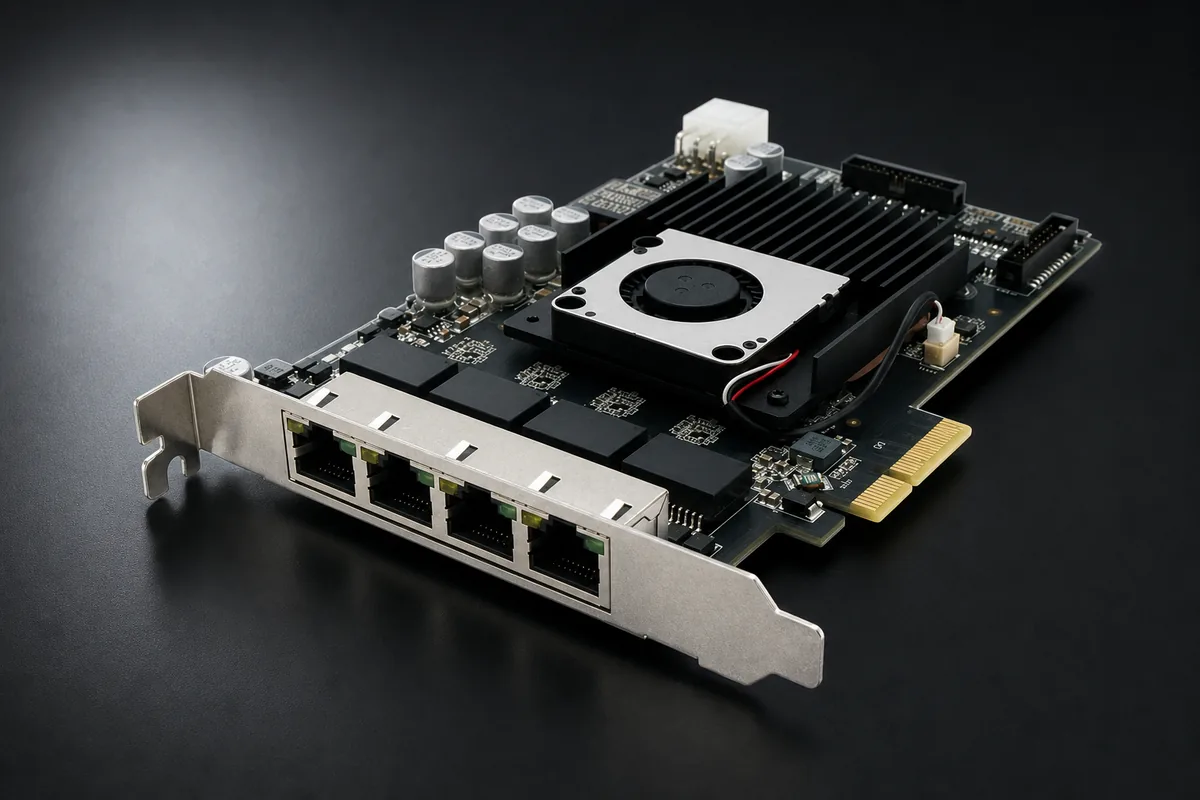
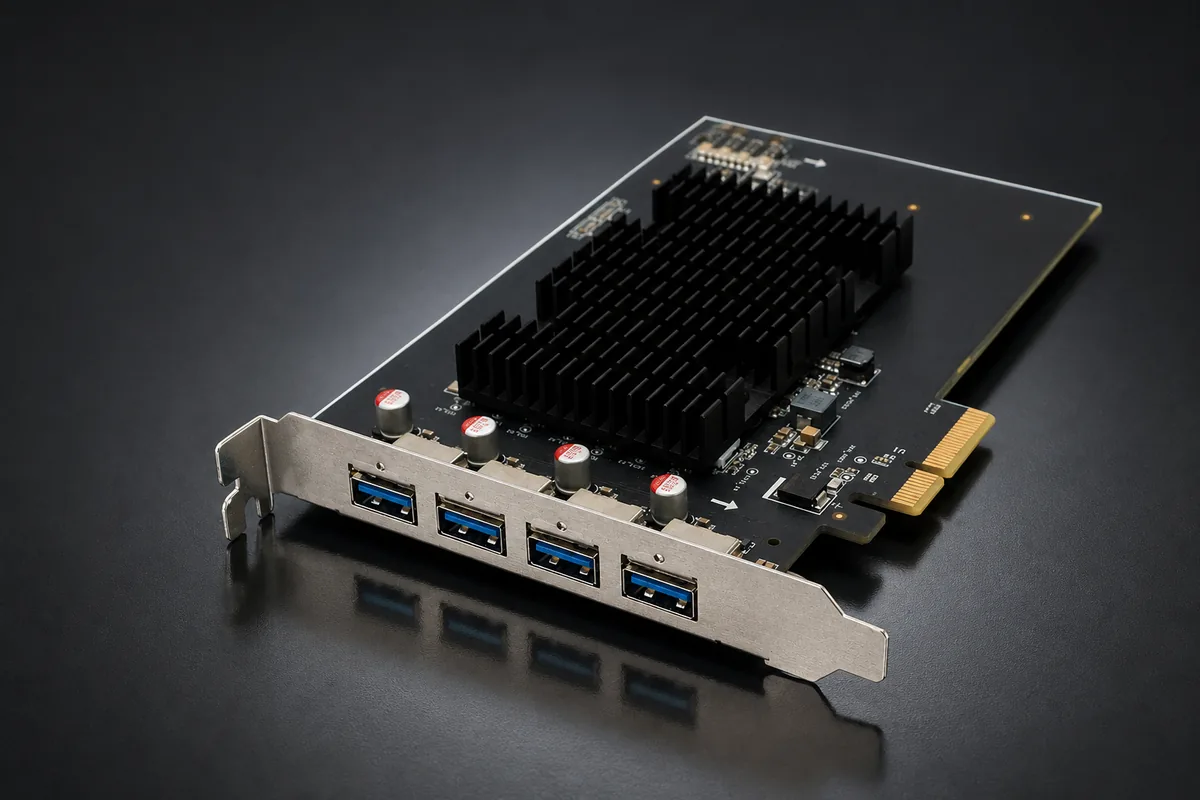
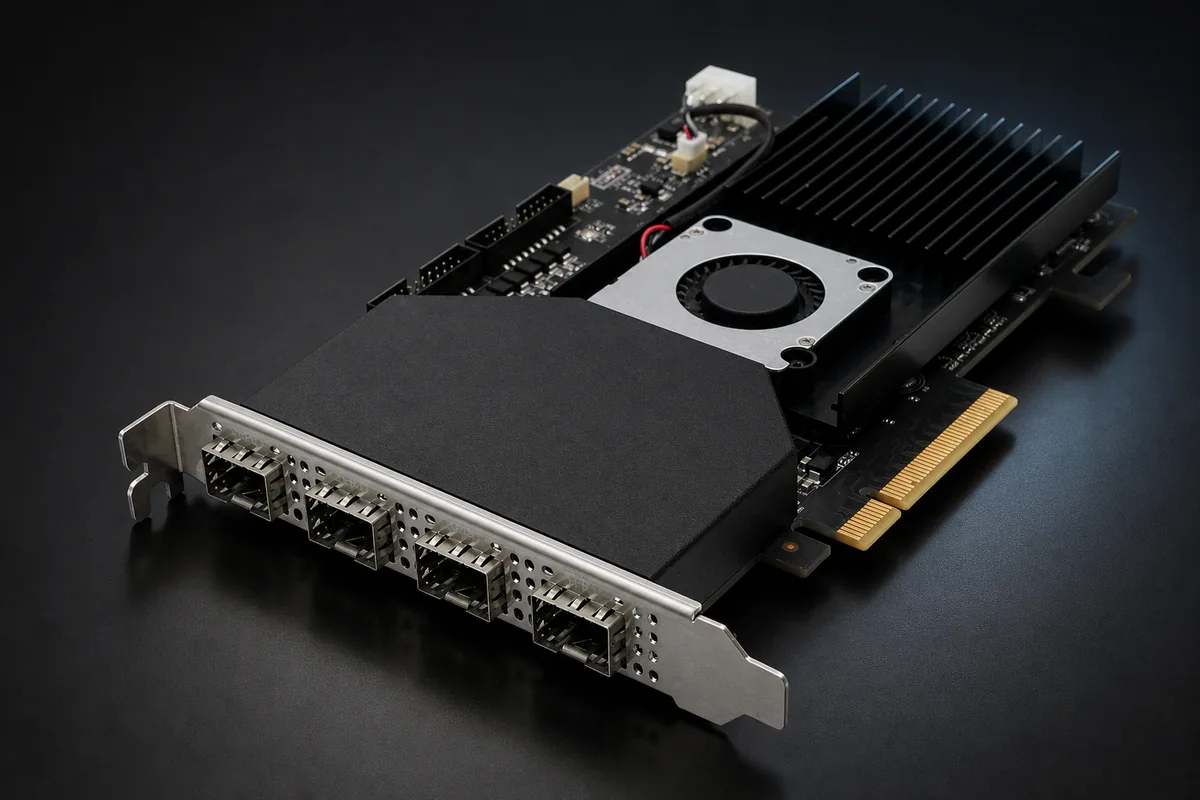
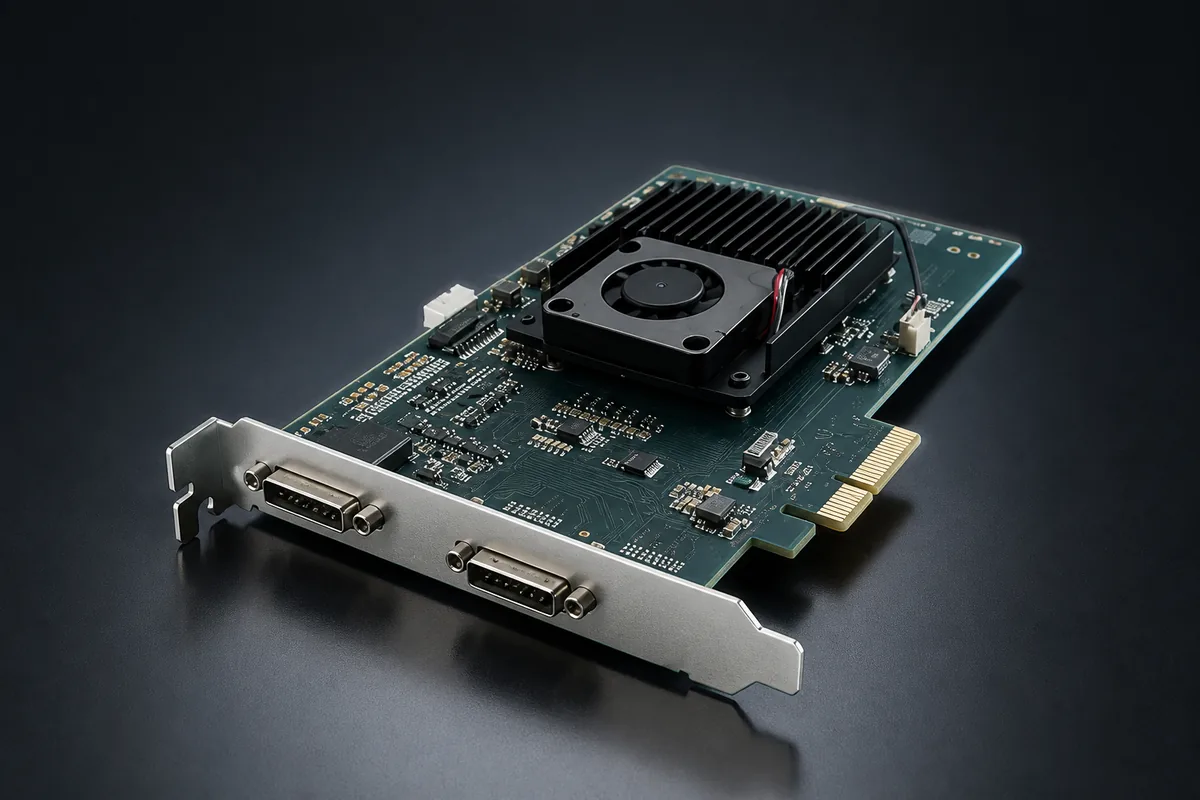
Selecting an acquisition interface
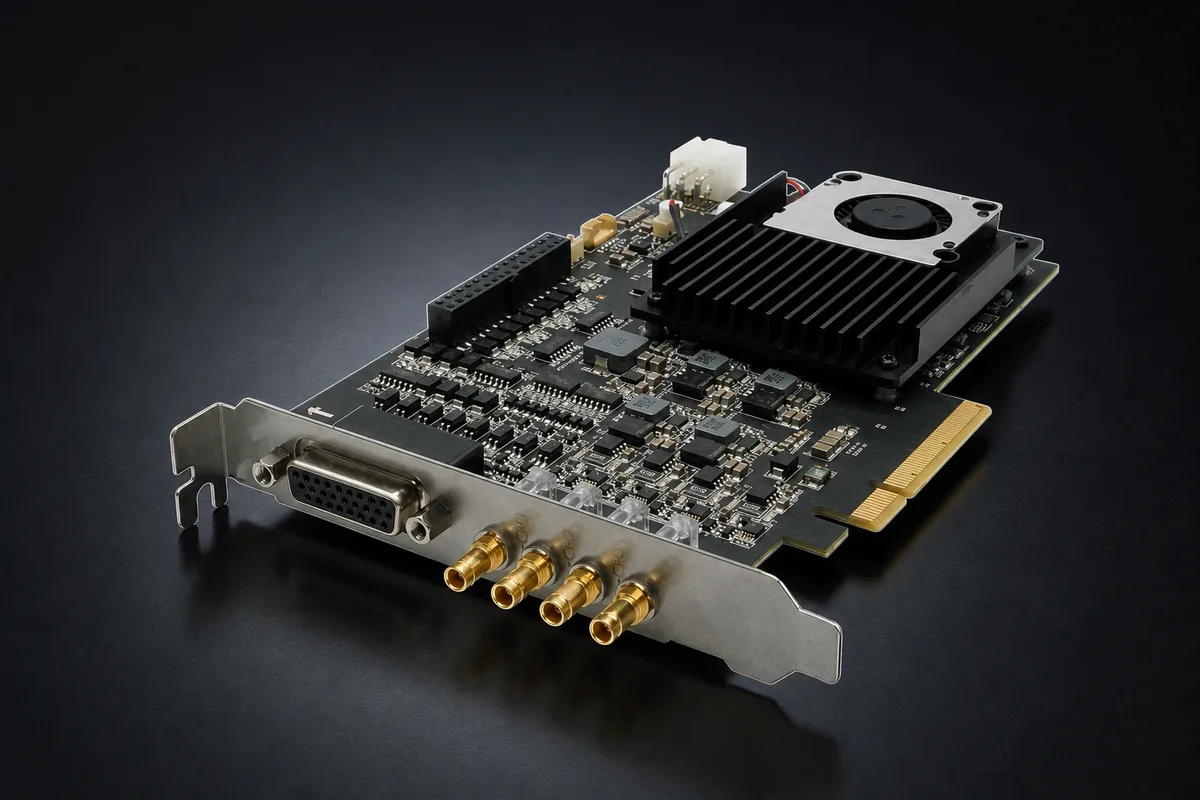
Hikrobot frame grabbers and NICs connect machine vision cameras to an acquisition system. The category covers GigE, 2.5 GigE, 10 GigE, USB 3.0, Camera Link and CoaXPress. Its stated roles are frame-loss-free acquisition and line synchronisation, so interface matching is the primary boundary between candidate boards. Define the image-transfer path and line-sync role together before comparing exact board variants.
Begin with the camera transport, then retain the full board designation needed by the system topology. Closely related identifiers occur in pairs or larger groups, including MV-GE2202 and MV-GE2204, MV-GT1002 and MV-GT1004, and MV-GX1002, MV-GX1004 and MV-GX1008. P, L and F suffixes also identify separate entries and should not be dropped during selection.
The range is organised into MV-GE, MV-GU, MV-GT, MV-GS, MV-GC, MV-GX, MV-GY and MV-GQ groups. It also contains explicitly versioned choices: MV-GE2002 V2.0, MV-GE2004 V2.0, MV-GY1002 V2.0, MV-GY1004 V2.0, MV-GS1002F V3.0 and MV-GS1004F V3.0. After the interface family is fixed, compare the complete identifiers within that group and carry the version text into the build definition. The unversioned and versioned names must remain distinct in system documentation.
FAQ
Which camera interfaces are represented by the frame-grabber range?
The category names GigE, 2.5 GigE, 10 GigE, USB 3.0, Camera Link and CoaXPress. Match the board family to the camera transport first, because the acquisition interface sets the initial boundary for selection.
Why must the complete suffix remain in the selected board name?
Suffixes distinguish separate entries. MV-GE2202, MV-GE2202P and MV-GE2202L are all present, as are MV-GS1004, MV-GS1004F V3.0 and MV-GS1104F. Recording only the shared stem would leave the board variant ambiguous.
Which entries have an explicit version designation?
The range includes MV-GE2002 V2.0, MV-GE2004 V2.0, MV-GY1002 V2.0 and MV-GY1004 V2.0. It also includes MV-GS1002F V3.0 and MV-GS1004F V3.0. The version is part of each exact designation and should be retained.
Does the category cover synchronisation as well as image transfer?
Yes. Its stated scope combines frame-loss-free acquisition with line synchronisation. Interface choice addresses camera data transport, while the required synchronisation role must remain part of the board-level system selection.
How should closely numbered entries be compared during selection?
Treat each full identifier as a separate choice. Groups such as MV-GT1002 and MV-GT1004 or MV-GX1002, MV-GX1004 and MV-GX1008 provide adjacent entries; compare them only after choosing the required transport family.